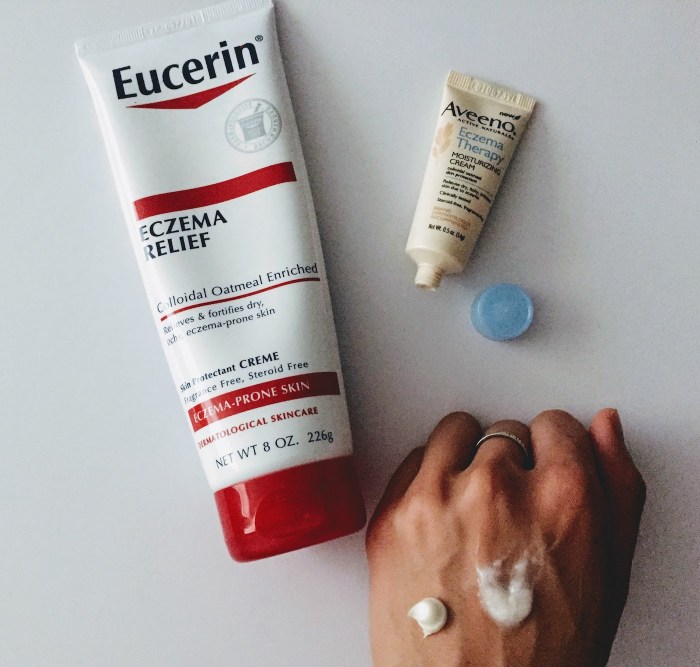
Kicking off with Best creams for eczema relief, get ready to discover the top 5 dermatologist-recommended creams and the key ingredients to look for that will provide effective relief for your eczema.
Let’s dive into the world of eczema creams and find out how to soothe your skin with the best products out there!
Best creams for eczema relief
When dealing with eczema, finding the right cream can make a significant difference in managing symptoms and providing relief. Dermatologists often recommend specific creams that have proven to be effective in soothing eczema-prone skin.To help you navigate through the multitude of options available, here are the top 5 creams recommended by dermatologists for eczema relief:
1. Cerave Moisturizing Cream
- Ceramides and hyaluronic acid help restore the skin’s natural barrier.
- Non-greasy formula suitable for daily use.
- Fragrance-free and gentle on sensitive skin.
2. Aveeno Eczema Therapy Daily Moisturizing Cream
- Colloidal oatmeal soothes itchy and irritated skin.
- Steroid-free formula suitable for long-term use.
- Recommended by the National Eczema Association.
3. Eucerin Eczema Relief Cream
- Oatmeal and ceramides help relieve dryness and itching.
- Fragrance-free and safe for sensitive skin.
- Provides 24-hour moisture protection.
4. Vanicream Moisturizing Skin Cream
- No dyes, fragrance, or parabens, suitable for sensitive skin.
- Non-comedogenic formula that won’t clog pores.
- Recommended by dermatologists for eczema-prone skin.
5. La Roche-Posay Lipikar Soothing Relief Eczema Cream
- Shea butter and niacinamide help restore skin barrier function.
- Fast-absorbing texture for quick relief.
- Suitable for children and adults with sensitive skin.
When choosing an eczema cream, it’s essential to look for key ingredients like ceramides, hyaluronic acid, colloidal oatmeal, and shea butter, as they help hydrate the skin, reduce inflammation, and repair the skin barrier.It’s also important to understand the differences between steroid-based creams and natural eczema creams. While steroid creams can provide quick relief from itching and inflammation, they may have side effects with prolonged use.
Natural eczema creams, on the other hand, offer a gentler approach with fewer potential side effects, making them suitable for long-term use.Finding the best cream for your eczema may require some trial and error, but consulting with a dermatologist can help guide you towards the most suitable option for your skin type and condition.
Health Eczema
Eczema is a skin condition that can have a significant impact on a person’s overall health. It is often characterized by red, itchy, and inflamed skin, which can be both physically uncomfortable and emotionally distressing.Diet and lifestyle choices play a crucial role in managing eczema symptoms. Certain foods can trigger flare-ups in some individuals, such as dairy, gluten, and processed foods.
On the other hand, incorporating anti-inflammatory foods like fruits, vegetables, and omega-3 fatty acids can help reduce inflammation and improve skin health.Holistic approaches to managing eczema focus on treating the root cause of the condition rather than just the symptoms. This may include stress management techniques, such as meditation or yoga, to reduce emotional triggers that can exacerbate eczema. Additionally, using natural skincare products and avoiding harsh chemicals can help maintain the skin’s barrier function and prevent flare-ups.
Impact of Stress on Eczema
Stress is known to be a common trigger for eczema flare-ups. When the body is under stress, it releases hormones that can worsen inflammation and weaken the skin’s barrier. Managing stress through relaxation techniques like deep breathing exercises or mindfulness can help reduce the frequency and severity of eczema symptoms.
Importance of Hydration
Proper hydration is essential for maintaining healthy skin, especially for individuals with eczema. Drinking an adequate amount of water each day helps to keep the skin hydrated from within, reducing dryness and itchiness. Using a moisturizer regularly can also help lock in moisture and prevent flare-ups.
Benefits of Regular Exercise
Regular exercise not only improves overall health but can also benefit individuals with eczema. Physical activity can help reduce stress levels, improve circulation, and boost the immune system, all of which can contribute to managing eczema symptoms effectively.
Mind Body Spirit
Eczema is not just a physical condition; it can also be influenced by our mental and emotional well-being. Stress, anxiety, and other mental health issues can trigger eczema flare-ups, making it essential to address the mind-body connection for effective management.
Mindfulness and Stress-Reduction Techniques
- Practicing mindfulness through meditation or deep breathing exercises can help reduce stress levels, which in turn may alleviate eczema symptoms.
- Engaging in activities like yoga or tai chi can promote relaxation and improve overall mental health, potentially leading to fewer eczema flare-ups.
- Seeking therapy or counseling to address underlying emotional issues and learn coping strategies can also be beneficial in managing eczema.
Spiritual Practices for Complementing Treatments
- Incorporating spiritual practices such as prayer, meditation, or connecting with nature can provide a sense of peace and improve emotional well-being, which may positively impact eczema symptoms.
- Joining a support group or community that shares similar beliefs and values can offer a sense of belonging and understanding, reducing feelings of isolation often associated with chronic skin conditions like eczema.
- Exploring alternative therapies such as acupuncture or Reiki, which focus on balancing the body’s energy, can complement traditional eczema treatments and promote holistic healing.
Detoxification
Detoxifying the body can play a crucial role in improving eczema symptoms by eliminating toxins that may contribute to skin inflammation and irritation.
Dietary Changes
Making dietary changes can help support the body’s natural detox processes and reduce inflammation. Focus on consuming whole, nutrient-dense foods such as fruits, vegetables, lean proteins, and healthy fats. Avoid processed foods, sugar, dairy, and gluten, which can trigger eczema flare-ups.
Supplements
Certain supplements can aid in detoxification and support skin health. Consider incorporating vitamins and minerals like vitamin C, vitamin E, zinc, and omega-3 fatty acids into your daily routine. Consult with a healthcare provider before starting any new supplement regimen.
Cleansing Routines
Implementing gentle cleansing routines can help remove impurities from the skin and promote healing. Opt for natural and fragrance-free skincare products to avoid further irritation. Consider using gentle exfoliants and moisturizers to keep the skin hydrated and balanced.
Dental Care
Maintaining good oral health is not only important for your teeth and gums but can also have an impact on other areas of your health, including skin conditions like eczema. Poor dental hygiene practices can lead to inflammation in the body, which may exacerbate eczema symptoms. By taking care of your teeth and gums, you may be able to support overall well-being and potentially reduce the severity of eczema flare-ups.
The Link Between Oral Health and Eczema
Research suggests that there may be a connection between oral health and inflammatory skin conditions like eczema. Poor oral hygiene can lead to an overgrowth of harmful bacteria in the mouth, which can contribute to systemic inflammation in the body. This inflammation may trigger or worsen eczema symptoms in some individuals.
Tips for Maintaining Good Oral Health
- Brush your teeth at least twice a day with fluoride toothpaste to remove plaque and prevent cavities.
- Floss daily to clean between your teeth and along the gumline, where your toothbrush may not reach.
- Visit your dentist regularly for check-ups and professional cleanings to prevent gum disease and other oral health issues.
- Avoid sugary and acidic foods and drinks that can contribute to tooth decay and inflammation in the body.
- Consider using an antimicrobial mouthwash to help reduce the levels of harmful bacteria in your mouth.
Back Pain
Eczema can sometimes be a source of discomfort and pain, not just on the skin, but also in other parts of the body. One common issue that people with eczema may face is back pain. The correlation between eczema and back pain can be attributed to several factors, including itching and discomfort caused by the skin condition, leading to poor posture and muscle tension.
Ergonomic Tips and Exercises
- Practice good posture: Sit and stand up straight to avoid putting unnecessary strain on your back.
- Use ergonomic furniture: Invest in a supportive chair and desk setup to maintain proper alignment.
- Stretch regularly: Incorporate gentle stretching exercises into your daily routine to relieve muscle tension.
- Stay active: Engage in low-impact exercises like walking or swimming to strengthen your back muscles.
- Avoid heavy lifting: Be mindful of your lifting technique and avoid straining your back with heavy objects.
Posture and Movement Improvement
Proper posture and movement can not only alleviate back pain associated with eczema but also improve the overall quality of life for individuals dealing with these conditions.
- Practice mindful movement: Be aware of your body positioning throughout the day and make adjustments as needed.
- Take breaks: If you sit for long periods, make sure to stand up, stretch, and walk around to prevent stiffness and discomfort.
- Incorporate relaxation techniques: Stress and tension can exacerbate both eczema and back pain, so find ways to relax and unwind regularly.
- Consult a healthcare professional: If back pain persists or worsens, seek advice from a healthcare provider or physical therapist for tailored recommendations.
Health Asthma
Eczema and asthma are both chronic inflammatory conditions that can often coexist in the same individual. Studies have shown that there is a strong link between the two conditions, with individuals who have eczema being more likely to develop asthma.
Relationship between Eczema and Asthma
- Eczema is often considered the “first step” in what is known as the atopic march, where individuals with eczema are at a higher risk of developing asthma later in life.
- Both eczema and asthma are inflammatory conditions that involve an overactive immune response, which can cause symptoms such as itching, redness, and difficulty breathing.
- Individuals with eczema are more prone to developing asthma due to a compromised skin barrier and increased sensitivity to allergens, which can trigger asthma symptoms.
Managing Eczema to Reduce Asthma Symptoms
- Properly managing eczema through regular moisturization, avoiding triggers, and using prescribed medications can help reduce inflammation and improve overall skin health, which in turn may help alleviate asthma symptoms.
- Keeping the skin well-hydrated and avoiding harsh irritants can help strengthen the skin barrier, reducing the risk of allergens entering the body and triggering asthma attacks.
- Working closely with healthcare providers to develop a comprehensive treatment plan for both eczema and asthma is crucial in managing both conditions effectively.
Tips for Individuals with Eczema and Asthma
- Identify and avoid common triggers for both eczema and asthma, such as dust mites, pet dander, and certain foods, to minimize flare-ups and symptoms.
- Maintain a consistent skincare routine to manage eczema flare-ups and prevent skin infections, which can exacerbate asthma symptoms.
- Practice good asthma management techniques, such as using inhalers as prescribed, monitoring lung function regularly, and seeking medical attention promptly in case of exacerbations.
Health Depression
Eczema can have a significant impact on mental health, leading to feelings of depression and anxiety. The visible symptoms of eczema can affect self-esteem and confidence, causing emotional distress for many individuals.
Coping Strategies
- Seeking support from family and friends who understand the challenges of living with eczema can provide emotional relief and encouragement.
- Engaging in stress-reducing activities such as meditation, yoga, or deep breathing exercises can help manage anxiety and depression symptoms.
- Consulting with a mental health professional or therapist to develop coping strategies and a treatment plan tailored to your specific needs.
- Practicing self-care routines, such as maintaining a healthy diet, getting regular exercise, and prioritizing sleep, can improve overall well-being and mental health.
Resources for Support
- Online communities and support groups dedicated to eczema provide a platform for individuals to connect, share experiences, and seek advice from others facing similar challenges.
- Mental health hotlines and crisis helplines offer immediate support for individuals experiencing severe depression or emotional distress.
- Therapeutic resources such as cognitive-behavioral therapy (CBT) or mindfulness-based stress reduction (MBSR) programs can help individuals develop coping mechanisms and improve mental health outcomes.
- Consulting with a dermatologist or healthcare provider to discuss treatment options for both eczema and mental health concerns can lead to a comprehensive care plan.
Headaches Migraines
Eczema and headaches/migraines may be connected through inflammatory processes in the body. Inflammation is a common factor in both conditions, and individuals with eczema may be more prone to experiencing headaches or migraines.
Managing Headaches and Migraines with Eczema
- Keep a headache diary to track triggers and patterns.
- Avoid known triggers such as certain foods, stress, or lack of sleep.
- Practice relaxation techniques like deep breathing or meditation to reduce stress levels.
- Stay hydrated and maintain a healthy diet to support overall well-being.
Holistic Approaches to Addressing Eczema and Headaches
- Consider acupuncture or acupressure to help manage both conditions.
- Explore herbal remedies like feverfew or butterbur for migraine relief.
- Try aromatherapy with essential oils like lavender or peppermint for headache relief.
- Consult with a holistic healthcare provider for personalized treatment options.
Pain Management
Managing pain is essential for individuals with eczema to improve their quality of life and overall well-being. Pain can be a common symptom of eczema due to inflammation, itching, and discomfort. Here are some effective pain management techniques suitable for eczema patients:
Moisturize Regularly
- Apply a thick layer of moisturizer to the affected areas at least twice a day to keep the skin hydrated and reduce itching and discomfort.
- Choose a moisturizer that is fragrance-free, hypoallergenic, and specifically formulated for sensitive skin to avoid irritation.
- Consider using emollients or ointments that create a protective barrier on the skin to prevent moisture loss.
Avoid Trigger Factors
- Identify and avoid trigger factors such as certain fabrics, harsh chemicals, extreme temperatures, and stress that can worsen eczema symptoms and lead to increased pain.
- Keep a diary to track your eczema flares and identify patterns to help you avoid triggers effectively.
- Consult with a healthcare provider to develop a personalized trigger management plan tailored to your specific needs.
Use Cold Compress or Soaks
- Apply a cold compress or take a cool bath with colloidal oatmeal or baking soda to soothe inflamed and itchy skin, providing temporary pain relief.
- Avoid hot water and harsh soaps that can further irritate the skin and exacerbate eczema symptoms.
- Use lukewarm water and gentle cleansers to cleanse the skin without stripping away natural oils.
Sleep Snoring
Eczema can have a significant impact on sleep quality, leading to discomfort and potential issues like snoring. The itching and discomfort caused by eczema can make it difficult to fall asleep and stay asleep, resulting in a restless night and potentially disruptive snoring.
Tips for Improving Sleep Hygiene
- Establish a bedtime routine: Create a relaxing routine before bed to signal to your body that it’s time to wind down and prepare for sleep.
- Avoid triggers: Identify and eliminate potential triggers for eczema flare-ups, such as certain fabrics or skincare products, to reduce discomfort and itching at night.
- Keep your bedroom cool and dark: Create a sleep-conducive environment by maintaining a comfortable temperature and eliminating excess light and noise.
- Practice stress-reducing activities: Engage in relaxation techniques like deep breathing, meditation, or gentle yoga to calm your mind and body before bedtime.
Addressing Eczema Symptoms to Reduce Snoring
- Seek treatment for eczema: Consult with a healthcare professional to develop a comprehensive treatment plan for managing your eczema symptoms and reducing inflammation that can disrupt sleep.
- Use moisturizers and topical treatments: Keep your skin hydrated and well-nourished with emollient creams and ointments to alleviate dryness and itching that can interfere with sleep.
- Avoid scratching: Resist the urge to scratch irritated skin, as this can worsen eczema symptoms and lead to increased discomfort that may contribute to snoring.
- Monitor your sleep patterns: Keep track of your sleep quality and any snoring episodes to identify patterns and make adjustments to your routine as needed.
Self Hypnosis
Self-hypnosis is a powerful tool that can offer relief for individuals suffering from eczema. By tapping into the subconscious mind, self-hypnosis can help manage stress, reduce inflammation, and promote overall relaxation, which are all key factors in managing eczema symptoms.
Benefits of Self-Hypnosis for Eczema Relief
- Reducing Stress: Self-hypnosis techniques can help individuals lower stress levels, which in turn can alleviate eczema flare-ups triggered by stress.
- Pain Management: Hypnosis can be used to alter the perception of pain, making it a useful tool for managing the discomfort associated with eczema.
- Promoting Relaxation: By inducing a state of deep relaxation, self-hypnosis can help individuals with eczema improve their overall well-being and reduce the severity of symptoms.
Techniques and Resources for Self-Hypnosis
- Guided Meditation: Utilizing guided meditation recordings or scripts can help individuals practice self-hypnosis effectively.
- Visualizations: Engaging in visualizations of clear, healthy skin can help reprogram the subconscious mind to support healing and relief from eczema.
- Self-Hypnosis Apps: There are various apps available that offer self-hypnosis sessions specifically designed for managing skin conditions like eczema.
Complementing Traditional Eczema Treatments
- Combining self-hypnosis with traditional eczema treatments, such as topical creams or medications, can enhance the overall effectiveness of managing eczema symptoms.
- Improving Mental Health: Self-hypnosis can contribute to improved mental health, which can positively impact the physical symptoms of eczema.
- Empowering Individuals: Self-hypnosis puts individuals in control of their healing journey, offering a sense of empowerment in managing their eczema condition.
Contraceptives Birth Control
When it comes to managing eczema symptoms, it’s important to consider how contraceptives and birth control methods can impact flare-ups. The hormonal changes caused by certain contraceptive options can have an effect on eczema symptoms, making it crucial for individuals with eczema to make informed choices when it comes to birth control. Here are some tips for those navigating both eczema and birth control options:
Understanding Hormonal Impact
- Some contraceptives, such as birth control pills, can contain hormones that may trigger or worsen eczema flare-ups due to the hormonal changes they introduce to the body.
- It’s essential for individuals with eczema to discuss their condition with their healthcare provider when considering hormonal contraceptives to understand the potential impact on their skin.
- Alternative birth control methods, like non-hormonal options such as copper IUDs, barrier methods, or hormone-free birth control pills, may be better choices for those concerned about eczema flare-ups.
Choosing the Right Option
- Consulting with a dermatologist or healthcare provider who is knowledgeable about both eczema and contraceptives can help individuals make informed decisions about birth control options.
- Considering factors such as hormone levels, skin sensitivities, and individual eczema triggers can aid in selecting a birth control method that is less likely to aggravate eczema symptoms.
- Regular monitoring of eczema symptoms and skin changes while on contraceptives can help individuals identify any potential correlations between the birth control method and eczema flare-ups.
Mens Issues
Men dealing with eczema may face specific challenges related to their skin condition. Eczema can be particularly uncomfortable and embarrassing for men, as it can affect areas like the face, neck, and hands, which are more visible compared to other parts of the body. Men may struggle with finding suitable grooming and skincare products that can effectively manage their eczema symptoms while also fitting into their daily routine.
Skincare Tips for Men with Eczema
- Avoid harsh soaps and opt for gentle, fragrance-free cleansers to prevent further irritation.
- Moisturize regularly with a thick, emollient cream to keep the skin hydrated and reduce itching.
- Choose clothing made from soft, breathable fabrics like cotton to minimize irritation on sensitive skin.
- Avoid hot showers and use lukewarm water to prevent drying out the skin.
- Consult a dermatologist for personalized skincare recommendations tailored to your specific eczema type and severity.
Societal Perceptions and Seeking Help
- Men may feel pressured to appear tough and self-reliant, which can make them hesitant to seek help for their eczema symptoms.
- Societal norms around masculinity may discourage men from openly discussing their skincare concerns or seeking treatment, leading to delayed or inadequate care.
- It is important to challenge stereotypes and encourage open communication about skin health, so men feel empowered to prioritize their well-being and seek the necessary support for managing eczema.
Mood Disorders
Mood disorders such as depression and anxiety can have a significant impact on individuals dealing with eczema. The relationship between eczema and mood disorders is complex and can influence each other in various ways.
Impact on Eczema Symptoms
Individuals with mood disorders may experience heightened stress levels, which can trigger eczema flare-ups and worsen symptoms. The release of stress hormones can lead to inflammation in the body, exacerbating skin conditions like eczema. Additionally, the constant itching and discomfort from eczema can contribute to feelings of anxiety and depression, creating a cycle of negative emotions that can further intensify eczema symptoms.
Influence on Mood Disorders
Conversely, living with chronic eczema can take a toll on mental health and contribute to the development of mood disorders. The visible nature of eczema lesions can lead to self-consciousness, low self-esteem, and social anxiety. The physical discomfort and sleep disturbances caused by eczema can also impact mood and overall well-being, potentially leading to the onset of depression or anxiety disorders.
Coping Strategies
- Practice stress-reducing techniques such as mindfulness, meditation, deep breathing exercises, and yoga to help manage both eczema and mood disorders.
- Seek support from mental health professionals, support groups, or online communities to address the emotional impact of eczema and develop coping strategies.
- Maintain a healthy lifestyle with regular exercise, balanced nutrition, and sufficient sleep to support both physical and mental well-being.
- Consider therapy or counseling to address underlying emotional issues and learn effective ways to manage stress and negative emotions.
- Prioritize self-care activities that promote relaxation and emotional wellness, such as engaging in hobbies, spending time in nature, or practicing self-compassion.
Health and Fitness
Regular exercise plays a crucial role in managing eczema symptoms by improving overall health and reducing stress levels. Physical activity can also help boost the immune system, which may lead to a decrease in eczema flare-ups.
Benefits of Exercise for Eczema Relief
- Regular exercise helps improve blood circulation, which can promote healing of eczema-affected skin.
- Physical activity releases endorphins, which are known to reduce stress and promote a sense of well-being, potentially reducing eczema triggers.
- Exercise can help regulate sleep patterns, which is essential for individuals with eczema as lack of sleep can exacerbate symptoms.
Fitness Routines for Individuals with Eczema
- Low-impact exercises such as yoga, swimming, or walking are gentle on the skin and joints, making them suitable for individuals with eczema.
- Avoid activities that may cause excessive sweating or irritate the skin, such as high-intensity cardio or weightlifting.
- Always wear loose, breathable clothing during exercise to prevent friction and irritation on eczema-prone areas.
Maintaining Overall Fitness for Eczema Relief
- Combining regular exercise with a balanced diet can help improve overall health and potentially reduce eczema symptoms.
- Staying hydrated is essential for individuals with eczema, as dehydration can lead to dry, itchy skin.
- Consult with a healthcare provider or dermatologist before starting any new fitness routine to ensure it is suitable for your skin condition.
Critical Care
When dealing with severe cases of eczema, critical care becomes essential to manage and treat the condition effectively. Individuals with critical eczema conditions often require specialized attention and treatment to alleviate symptoms and prevent complications.
Importance of Critical Care
- Critical care for severe eczema cases involves a comprehensive approach to address the symptoms and underlying causes of the condition.
- Specialized treatment options, such as immunosuppressants or biologic therapies, may be necessary to control inflammation and manage flare-ups.
- Close monitoring by healthcare professionals is crucial to adjust treatment plans and ensure optimal outcomes for individuals with critical eczema.
- Emotional support and counseling may also be part of critical care to help patients cope with the challenges of living with severe eczema.
Treatment Options and Strategies
- Topical corticosteroids: These are commonly used to reduce inflammation and itching in severe eczema cases.
- Systemic medications: Oral or injectable medications may be prescribed to control immune responses and manage symptoms.
- Wet wrap therapy: This technique can help hydrate the skin and enhance the effectiveness of topical treatments for critical eczema.
- Lifestyle modifications: Avoiding triggers, maintaining proper skincare, and managing stress can play a vital role in managing severe eczema.
Resources and Support
- Eczema support groups: Connecting with others facing similar challenges can provide valuable emotional support and practical tips for managing critical eczema.
- Dermatologist guidance: Seeking advice from a dermatologist experienced in treating severe eczema can help individuals access specialized care and treatment options.
- Online resources: Websites and forums dedicated to eczema provide information, tips, and resources for individuals seeking critical care for their condition.
- National Eczema Association: This organization offers resources, advocacy, and support for individuals with eczema, including those with severe cases requiring critical care.
Health Exercise
Regular exercise can bring a multitude of benefits for individuals with eczema. Not only does it help in managing stress, which is a common trigger for eczema flare-ups, but it also improves blood circulation and boosts the immune system, which can aid in reducing inflammation and promoting skin healing.
Low-Impact Exercise Options
- Yoga: Gentle yoga poses can help stretch and strengthen the body without putting too much strain on the skin.
- Swimming: The water’s buoyancy can provide a low-impact workout that is gentle on sensitive skin.
- Walking: A simple and effective way to get moving without causing irritation to the skin.
Improving Overall Health Outcomes
Regular exercise not only benefits the skin but also contributes to overall health outcomes for eczema patients. It can help in weight management, reduce inflammation, improve sleep quality, and boost mood and mental wellbeing. By incorporating exercise into their routine, individuals with eczema can experience a holistic improvement in their health and well-being.
Health Holistic
Holistic health focuses on treating the whole person, considering physical, mental, emotional, and spiritual well-being. When it comes to managing eczema, taking a holistic approach can help address the underlying causes and improve overall health.Integrating traditional treatments such as moisturizers and prescription medications with alternative therapies like acupuncture, herbal remedies, and stress management techniques can provide comprehensive relief for eczema symptoms.
By combining different modalities, individuals can target the root causes of eczema and promote healing from within.
Holistic Wellness Tips
- Practice mindfulness and stress-reducing activities such as yoga or meditation to help manage eczema flare-ups triggered by emotional distress.
- Follow a balanced diet rich in fruits, vegetables, and omega-3 fatty acids to support skin health and reduce inflammation associated with eczema.
- Stay hydrated by drinking plenty of water throughout the day to keep the skin moisturized and improve overall skin barrier function.
- Engage in regular physical activity to boost circulation, reduce inflammation, and support overall immune function, which can help alleviate eczema symptoms.
- Consider incorporating holistic treatments like aromatherapy, acupuncture, or herbal remedies under the guidance of a qualified healthcare practitioner to complement traditional eczema management strategies.
Anti Aging
Eczema can have a significant impact on the skin’s aging process. The inflammation and irritation caused by eczema can lead to dryness, redness, and premature aging signs such as fine lines and wrinkles. It is essential for individuals with eczema to take extra care of their skin to minimize these effects and maintain a youthful appearance.
Skincare Tips for Individuals with Eczema
- Avoid harsh soaps and cleansers that can further irritate the skin. Opt for gentle, fragrance-free products specifically formulated for sensitive skin.
- Maintain proper hydration by using moisturizers regularly to keep the skin hydrated and prevent dryness.
- Protect your skin from the sun by using sunscreen with a high SPF to prevent sun damage, which can accelerate the aging process.
- Incorporate anti-aging ingredients like retinol and hyaluronic acid into your skincare routine, but make sure to patch test first to avoid exacerbating eczema symptoms.
Managing Eczema for Healthy and Youthful Skin
- Work with a dermatologist to develop a customized skincare routine tailored to your specific eczema needs.
- Practice stress-relief techniques such as meditation or yoga, as stress can exacerbate eczema symptoms and accelerate skin aging.
- Eat a balanced diet rich in antioxidants and omega-3 fatty acids to promote skin health and combat inflammation.
- Avoid triggers that worsen your eczema symptoms, such as certain fabrics, harsh detergents, or extreme temperatures.
Healthcare Systems
When it comes to individuals with eczema, navigating healthcare systems can present unique challenges. From obtaining an accurate diagnosis to finding effective treatment options, the journey can be complex and frustrating for many.
Challenges Faced by Individuals with Eczema in Healthcare Systems
- Difficulty in getting timely appointments with dermatologists or specialists.
- Lack of awareness and understanding of eczema among healthcare providers.
- Limited access to specialized care and resources for managing eczema.
- High costs associated with prescription medications and treatments.
Navigating Healthcare Systems for Eczema Diagnosis and Treatment
- Seek out dermatologists or healthcare providers with experience in treating eczema.
- Be proactive in advocating for your needs and concerns during medical appointments.
- Utilize online resources and support groups to connect with others facing similar challenges.
- Consider seeking a second opinion if you are not satisfied with your current treatment plan.
How Healthcare Systems Can Better Support Individuals with Eczema
- Improve access to dermatological care through telemedicine and virtual consultations.
- Provide education and training for healthcare providers on the latest advancements in eczema treatment.
- Expand coverage for eczema medications and therapies to reduce financial barriers for patients.
- Promote holistic approaches to eczema management, including lifestyle changes and stress reduction techniques.
Health Hemorrhoids
Eczema and hemorrhoids are both inflammatory conditions that can cause discomfort and irritation. While they affect different areas of the body, there may be a potential connection between the two conditions. It is important to manage both eczema and hemorrhoids effectively to alleviate symptoms and improve overall well-being.
Managing Eczema and Hemorrhoids Simultaneously
- Keep the affected areas clean and dry to prevent irritation and infection.
- Avoid scratching or rubbing the skin to reduce inflammation and prevent further damage.
- Use gentle, fragrance-free skincare products to soothe eczema and avoid aggravating hemorrhoids.
- Apply a cold compress to reduce itching and swelling in both eczema and hemorrhoids.
- Stay hydrated and maintain a healthy diet rich in fiber to promote digestive health and prevent constipation, which can worsen hemorrhoids.
Lifestyle Changes and Treatments for Eczema and Hemorrhoids
- Practice stress-reducing techniques like mindfulness and meditation to manage flare-ups of both conditions.
- Consider using over-the-counter creams or ointments specifically designed for eczema and hemorrhoids.
- Consult with a healthcare professional for personalized treatment options, including prescription medications or procedures if necessary.
- Avoid tight clothing and prolonged sitting to reduce pressure on hemorrhoids and prevent exacerbation of symptoms.
- Incorporate regular exercise into your routine to improve circulation and promote overall skin and digestive health.
Final Thoughts
In conclusion, finding the right cream for your eczema can make a world of difference in managing your symptoms and achieving healthier skin. Don’t wait, try out these recommended creams today!
General Inquiries
What are the key ingredients to look for in eczema creams?
Look for ingredients like colloidal oatmeal, ceramides, and shea butter for their moisturizing and soothing properties.
Are natural eczema creams as effective as steroid-based creams?
Natural eczema creams can be just as effective for mild to moderate eczema cases, but severe cases may require steroid-based creams for better control.
How can diet and lifestyle choices impact eczema symptoms?
Dietary changes like avoiding trigger foods and maintaining a healthy lifestyle can help reduce eczema flare-ups and improve overall skin health.
Can managing eczema effectively help reduce asthma symptoms?
Yes, managing eczema properly can lead to reduced asthma symptoms as both conditions are often linked.
What are some grooming tips for men dealing with eczema?
Men can benefit from using gentle skincare products, avoiding harsh chemicals, and keeping their skin moisturized to manage eczema effectively.


