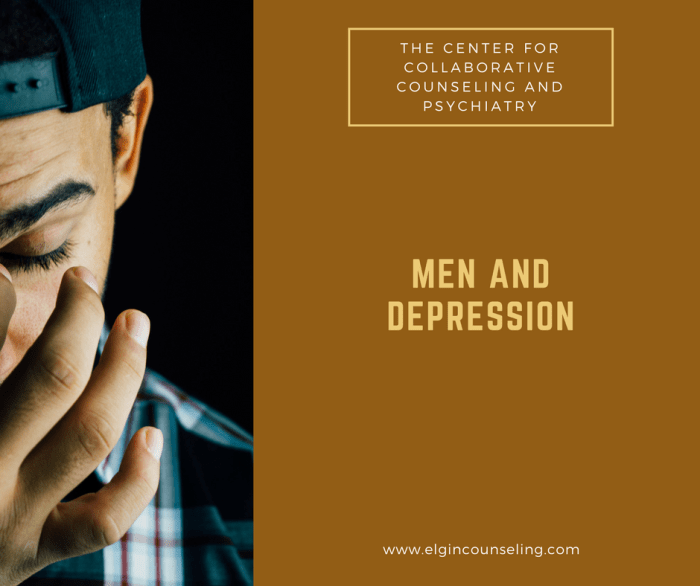
Dive into the world of Depression in men and coping strategies, where we unravel the unique challenges faced by men and explore effective ways to tackle them. Get ready for an insightful journey!
Depression in Men
Depression in men presents unique challenges due to societal expectations that often discourage men from seeking help. Men are often expected to be strong, stoic, and self-reliant, which can make it difficult for them to acknowledge and address their mental health issues.
Societal Expectations and Reluctance to Seek Help
Men may feel pressured to conform to traditional masculine norms, which can prevent them from seeking help for depression. This reluctance may stem from the fear of appearing weak or vulnerable, as society often equates mental health struggles with a lack of masculinity. As a result, many men suffer in silence and avoid reaching out for support.
Stigma Surrounding Mental Health in Men
There is a significant stigma surrounding mental health in men, which can further deter them from seeking treatment for depression. Men may fear being judged or labeled as “weak” if they open up about their struggles, leading them to suppress their emotions and avoid seeking professional help. This stigma can have detrimental effects on men’s mental well-being and overall quality of life.
Prevalence of Depression in Men
Statistics show that depression affects men at a similar rate to women, but men are less likely to seek help or receive a diagnosis. According to the National Institute of Mental Health, around 6 million men in the United States suffer from depression each year. However, due to underreporting and reluctance to seek treatment, the actual number of men struggling with depression may be much higher.
Coping Strategies for Men
Depression can be a challenging and overwhelming experience for men, but there are healthy coping mechanisms that can help manage the symptoms and improve mental well-being.
Exercise and Mental Health
Regular physical activity, such as running, weightlifting, or yoga, can have a positive impact on mental health. Exercise releases endorphins, which are known as “feel-good” hormones that can help reduce stress, anxiety, and symptoms of depression. Additionally, staying active can improve sleep quality, boost self-esteem, and provide a sense of accomplishment.
Therapy and Counseling
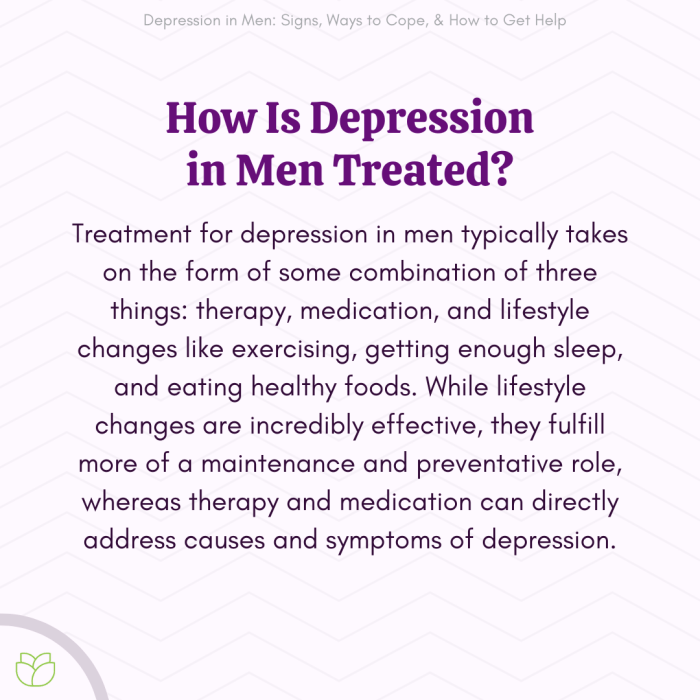
Therapy and counseling can be valuable tools in helping men cope with depression. Talking to a mental health professional can provide a safe space to explore emotions, develop coping strategies, and gain valuable insights into managing symptoms. Cognitive-behavioral therapy (CBT) is a common approach that helps individuals identify and change negative thought patterns that contribute to depression.
Supporting a Male Friend or Family Member
If you have a male friend or family member struggling with depression, it’s essential to offer support and understanding. Encourage them to seek professional help, listen without judgment, and validate their feelings. Let them know that they are not alone and that it’s okay to ask for help. Engage in activities together, check in regularly, and provide reassurance that you are there for them through this challenging time.
Health Eczema
Eczema is a common skin condition that causes red, inflamed, and itchy patches on the skin. It can affect people of all ages but is most commonly found in children. Common symptoms of eczema include dry, scaly skin, itching, redness, and inflammation.Eczema can have a significant impact on mental health and quality of life. The constant itching and discomfort can lead to feelings of frustration, embarrassment, and low self-esteem.
In severe cases, eczema can interfere with daily activities and sleep, causing additional stress and anxiety.
Treatment Options for Eczema
- Moisturize regularly with a thick, fragrance-free cream to help keep the skin hydrated.
- Avoid harsh soaps and detergents that can irritate the skin.
- Use gentle, non-irritating skincare products and laundry detergents.
- Topical corticosteroids can help reduce inflammation and itching.
- Avoid scratching the affected areas to prevent further irritation and potential infection.
Tips for Preventing Eczema Flare-ups
- Avoid triggers such as certain foods, stress, and environmental factors like pollen or pet dander.
- Wear soft, breathable fabrics like cotton to reduce irritation on the skin.
- Take short, lukewarm showers and avoid hot water which can dry out the skin.
- Manage stress through relaxation techniques like deep breathing, meditation, or yoga.
- Consult a dermatologist for personalized treatment options and advice on managing eczema.
Mind Body Spirit
In the concept of mind-body-spirit connection, it is believed that the three aspects of a person are interconnected and influence each other’s well-being. Nurturing the mind, body, and spirit can lead to overall improved health and a sense of balance in life.
Activities Promoting a Healthy Mind-Body-Spirit Balance
- Practicing mindfulness meditation to calm the mind, reduce stress, and connect with the spirit.
- Engaging in regular physical exercise to strengthen the body and improve mental health through the release of endorphins.
- Spending time in nature to rejuvenate the spirit, reduce anxiety, and promote a sense of well-being.
- Maintaining a healthy diet rich in nutrients that support brain function, physical health, and spiritual connection.
Personal Experience in Enhancing Mind-Body-Spirit Connection
During a challenging period in my life, I decided to incorporate daily yoga practice into my routine. Not only did it help me improve my physical strength and flexibility, but it also allowed me to quiet my mind and connect with my inner self on a deeper level. Through this practice, I found a sense of peace and balance that positively impacted all aspects of my well-being.
Detoxification
Detoxification plays a crucial role in maintaining overall health by helping the body eliminate toxins and waste products. By supporting the body’s natural detox processes, individuals can improve their energy levels, digestion, and immune function.
Importance of Detoxification
Detoxification is essential for removing harmful substances from the body, which can accumulate due to poor diet, environmental toxins, or stress. By promoting detoxification, individuals can enhance their overall well-being and reduce the risk of various health issues.
Methods of Detoxifying the Body
- Colon cleansing: This method involves removing toxins from the colon through various therapies or dietary changes.
- Liver detox: Supporting liver function through specific diets, supplements, or herbs can aid in detoxifying the body.
- Sweating: Activities like sauna sessions or exercise can help the body eliminate toxins through sweat.
Natural Ways to Support Detoxification Processes
- Hydration: Drinking plenty of water helps flush out toxins and supports kidney function.
- Eating a clean diet: Consuming whole foods rich in antioxidants and nutrients can support the body’s detox processes.
- Herbal teas: Dandelion, milk thistle, and ginger teas can aid in liver detoxification.
Tips for a Safe and Effective Detoxification Regimen
- Consult a healthcare provider: Before starting any detox program, it’s important to seek advice from a healthcare professional.
- Gradual changes: Avoid sudden detox protocols and opt for gradual changes to prevent any adverse reactions.
- Focus on whole foods: Incorporate fruits, vegetables, and whole grains into your diet to support detoxification.
Dental Care
Maintaining good dental hygiene is crucial for overall health and well-being. Poor oral health can lead to various dental problems and even impact our overall health.
Significance of Good Dental Hygiene
Good dental hygiene is essential for preventing tooth decay, gum disease, and bad breath. It also helps in maintaining strong and healthy teeth, which is important for proper chewing and digestion.
Common Dental Problems and Prevention
- Tooth Decay: Brushing your teeth twice a day, flossing daily, and regular dental check-ups can help prevent tooth decay.
- Gum Disease: Proper brushing and flossing, along with regular dental cleanings, can help prevent gum disease.
- Bad Breath: Brushing your teeth, tongue, and using mouthwash can help combat bad breath.
Tips for Healthy Teeth and Gums
- Brush your teeth at least twice a day with fluoride toothpaste.
- Floss daily to remove food particles and plaque between teeth.
- Limit sugary and acidic foods and drinks that can contribute to tooth decay.
- Visit your dentist regularly for check-ups and professional cleanings.
Oral Health and Overall Well-being
There is a strong connection between oral health and overall well-being. Poor oral health has been linked to various health conditions such as heart disease, diabetes, and respiratory issues. Taking care of your teeth and gums can contribute to better overall health.
Back Pain
Back pain is a common issue that affects many men and can be caused by various factors such as poor posture, muscle strain, injury, or underlying health conditions. It can significantly impact daily activities and quality of life. Making lifestyle changes and incorporating exercises can help alleviate back pain and strengthen the back muscles to prevent future discomfort.
Common Causes of Back Pain in Men
- Poor posture while sitting, standing, or lifting heavy objects can strain the muscles and lead to back pain.
- Injuries from sports, accidents, or sudden movements can cause acute or chronic back pain.
- Being overweight or obese can put extra stress on the spine and contribute to back pain.
- Conditions such as arthritis, herniated discs, or spinal stenosis can also be underlying causes of back pain in men.
Lifestyle Changes to Alleviate Back Pain
- Maintain a healthy weight through proper diet and regular exercise to reduce strain on the back.
- Practice good posture by sitting and standing up straight, avoiding slouching or hunching over.
- Use ergonomic furniture and tools to support the back and maintain proper alignment.
- Avoid prolonged sitting or standing and take breaks to stretch and move around throughout the day.
Exercises and Stretches for Back Pain Relief
- Perform gentle stretching exercises to improve flexibility and relieve tension in the back muscles.
- Strengthen the core muscles through exercises like planks, bridges, and bird-dogs to support the spine and reduce back pain.
- Incorporate low-impact exercises such as swimming, walking, or yoga to improve overall fitness and reduce back pain.
- Consult with a physical therapist or fitness trainer for personalized exercise routines to address specific back pain issues.
Tips for Maintaining a Healthy Back and Spine
- Avoid lifting heavy objects improperly by using proper lifting techniques and asking for help when needed.
- Sleep on a supportive mattress and pillow to maintain spinal alignment and reduce back strain while sleeping.
- Stay hydrated and eat a balanced diet rich in nutrients to support overall spine health and reduce inflammation.
- Regularly practice stress-reducing activities like meditation, deep breathing, or massage therapy to relax tense muscles and prevent back pain.
Health Asthma
Asthma is a chronic respiratory condition that affects the airways in the lungs, causing them to become inflamed and narrow. This can lead to difficulty breathing, coughing, wheezing, and chest tightness.
Triggers for Asthma Attacks and How to Avoid Them
Asthma attacks can be triggered by various factors such as allergens (pollen, dust mites, mold), respiratory infections, cold air, exercise, smoke, and strong odors. To avoid asthma attacks, it is important to identify and eliminate triggers where possible. This may involve using air purifiers, avoiding smoking areas, keeping indoor spaces clean, and staying indoors during high pollen seasons.
Management Strategies for Controlling Asthma Symptoms
- Take prescribed medications as directed by your healthcare provider.
- Monitor your asthma symptoms and keep a record of peak flow measurements.
- Create an asthma action plan with your doctor to know what to do in case of an asthma attack.
- Avoid known triggers and maintain a healthy lifestyle with regular exercise and a balanced diet.
- Stay up-to-date with vaccinations, especially for respiratory infections.
Types of Asthma Medications
- Quick-relief medications: These are used during asthma attacks to quickly open the airways. Examples include albuterol inhalers.
- Long-term control medications: These are taken regularly to prevent asthma symptoms and attacks. Examples include inhaled corticosteroids, leukotriene modifiers, and long-acting beta-agonists.
- Biologic medications: These are newer medications that target specific pathways in the immune system to reduce asthma symptoms and attacks. Examples include omalizumab and mepolizumab.
Headaches Migraines
Headaches and migraines are both common conditions that cause pain and discomfort in the head, but they have distinct differences. While headaches are typically characterized by a dull, constant ache, migraines are more severe and often accompanied by other symptoms such as nausea, sensitivity to light and sound, and visual disturbances.
Differentiate between headaches and migraines
- Headaches are usually milder and can be triggered by stress, lack of sleep, or dehydration.
- Migraines are intense and can last for hours or even days, with symptoms that can significantly impact daily activities.
- Migraines may also have auras, which are sensory disturbances that occur before the headache phase.
Discuss common triggers for headaches and migraines
- Stress and anxiety
- Dehydration
- Poor sleep habits
- Dietary factors such as caffeine, alcohol, and certain foods
- Hormonal changes
Share natural remedies for alleviating headache and migraine pain
- Stay hydrated and drink plenty of water
- Practice relaxation techniques such as deep breathing or meditation
- Apply a cold or warm compress to the head or neck
- Try acupuncture or acupressure
- Use essential oils like peppermint or lavender for aromatherapy
Provide tips for preventing headaches and migraines
- Manage stress through regular exercise and relaxation techniques
- Maintain a consistent sleep schedule and practice good sleep hygiene
- Avoid triggers such as certain foods, caffeine, and alcohol
- Stay hydrated throughout the day
- Consider keeping a headache diary to track triggers and patterns
Pain Management
Chronic pain can significantly impact a person’s quality of life and daily functioning. It is essential to explore various approaches to managing pain effectively.
Multidisciplinary Approach to Pain Management
A multidisciplinary approach to pain management involves a team of healthcare professionals working together to address the physical, emotional, and psychological aspects of pain. This may include doctors, physical therapists, psychologists, and pain management specialists collaborating to provide comprehensive care.
Non-Pharmacological Methods for Pain Relief
- Physical therapy: Exercises, stretching, and strengthening routines tailored to the individual’s needs can help improve mobility and reduce pain.
- Acupuncture: This traditional Chinese medicine practice involves inserting thin needles into specific points on the body to alleviate pain.
- Mind-body techniques: Meditation, relaxation techniques, and mindfulness can help reduce stress and improve pain management.
- Heat and cold therapy: Applying heat packs or cold compresses to the affected area can provide temporary relief from pain and inflammation.
Tips for Improving Quality of Life with Chronic Pain
- Stay active: Engaging in gentle exercises and activities can help maintain flexibility and strength, reducing the impact of chronic pain.
- Eat a healthy diet: Nutrition plays a crucial role in managing pain and inflammation. Incorporating anti-inflammatory foods like fruits, vegetables, and omega-3 fatty acids can help alleviate symptoms.
- Manage stress: Stress can exacerbate pain symptoms. Finding healthy coping mechanisms such as relaxation techniques or therapy can help reduce stress levels.
- Establish a support system: Surround yourself with friends, family, or support groups who understand your condition and can provide emotional support during challenging times.
Sleep Snoring
When we sleep, the muscles in our throat relax, and the airway may become partially blocked, causing the vibrations that result in snoring. While occasional snoring is common, chronic snoring can have a significant impact on sleep quality and overall health.
Causes of Snoring
Chronic snoring can be caused by various factors such as:
- Obesity or excess weight
- Nasal congestion
- Alcohol consumption
- Smoking
- Sleep position
Health Risks of Chronic Snoring
Chronic snoring can lead to health risks such as:
- Daytime fatigue and drowsiness
- High blood pressure
- Heart problems
- Stroke
- Decreased libido
Tips for Reducing Snoring
To reduce or eliminate snoring, you can try the following tips:
- Maintain a healthy weight
- Sleep on your side
- Avoid alcohol and sedatives before bedtime
- Treat nasal congestion
- Use a humidifier in your bedroom
When to Seek Medical Help
If snoring is severe and persistent, it is advisable to seek medical help. A healthcare provider can assess the underlying causes of snoring and recommend appropriate treatments to improve sleep quality and overall health.
Self Hypnosis
Self-hypnosis is a technique that allows individuals to enter a state of deep relaxation and focused attention, where they can make positive suggestions to themselves. This practice can have a range of benefits for mental health, including stress reduction, improved focus, and enhanced self-confidence.
Benefits of Self-Hypnosis
- Reduces stress and anxiety levels
- Promotes relaxation and calmness
- Enhances self-esteem and confidence
- Aids in breaking bad habits or negative thought patterns
How to Practice Self-Hypnosis
- Find a quiet and comfortable space where you won’t be disturbed.
- Sit or lie down in a relaxed position and close your eyes.
- Breathe deeply and slowly, focusing on each breath in and out.
- Repeat a positive affirmation or visualization in your mind, such as “I am calm and in control.”
- Continue to relax and focus on your affirmation for several minutes.
- When you are ready, slowly bring yourself back to full awareness.
Examples of Situations for Self-Hypnosis
Self-hypnosis can be beneficial for overcoming phobias, improving sleep quality, managing chronic pain, boosting confidence before a challenging situation, and even enhancing sports performance.
Contraceptives Birth Control
Contraceptives and birth control methods play a crucial role in family planning and reproductive health. It is essential to understand the different options available, their effectiveness, and potential side effects to make an informed decision about contraception.
Types of Contraceptives
- Birth Control Pills: Oral contraceptives taken daily to prevent pregnancy by inhibiting ovulation.
- Condoms: Barrier method that prevents sperm from reaching the egg, reducing the risk of pregnancy and STIs.
- Implants: Small rods inserted under the skin that release hormones to prevent pregnancy for several years.
Importance of Family Planning
Family planning allows individuals to decide if and when to have children, leading to better health outcomes for both parents and children. Contraception helps in spacing pregnancies, reducing maternal and infant mortality rates.
Choosing the Right Contraceptive Method
It is essential to consider factors such as effectiveness, side effects, ease of use, and personal preferences when selecting a contraceptive method.
- Consulting with a healthcare provider can help in determining the most suitable option based on individual needs.
- Factors like age, medical history, lifestyle, and future pregnancy plans should be taken into account.
Men’s Issues
Men’s health is often overlooked or downplayed in society, leading to serious consequences for physical and mental well-being. It’s important for men to prioritize their health and seek support when needed. Let’s explore common health issues that specifically affect men and provide tips for better self-care.
Prostate Health
Prostate cancer is a significant health concern for men, with early detection being crucial for successful treatment. Regular screenings and maintaining a healthy lifestyle can help reduce the risk of developing prostate issues. Remember, it’s essential to consult with a healthcare professional for personalized advice.
Cardiovascular Health
Heart disease is a leading cause of death in men worldwide. Maintaining a balanced diet, engaging in regular physical activity, and managing stress are key factors in preventing heart-related issues. It’s important for men to prioritize cardiovascular health through lifestyle choices.
Mental Health
Men often face societal pressure to appear strong and stoic, which can impact their mental well-being. Seeking therapy, practicing mindfulness, and open communication with loved ones are effective ways to manage stress and improve mental health. Remember, it’s okay to ask for help when needed.
Testicular Health
Testicular cancer is the most common cancer in young men, making regular self-exams and medical check-ups crucial for early detection. Understanding the signs and symptoms of testicular issues can lead to timely intervention and better outcomes. Men should prioritize their testicular health through self-awareness and proactive healthcare.
Mood Disorders
Mood disorders are a category of mental health conditions that affect a person’s emotional state. These disorders can significantly impact a person’s daily life, relationships, and overall well-being.
Types of Mood Disorders
- Depression: Characterized by persistent feelings of sadness, hopelessness, and loss of interest in activities.
- Bipolar Disorder: Involves extreme mood swings, ranging from manic episodes of high energy to depressive episodes of low energy.
- Anxiety Disorders: While not exclusively mood disorders, anxiety disorders can also affect a person’s mood and emotions.
Symptoms and Warning Signs
- Persistent feelings of sadness or emptiness
- Loss of interest in activities once enjoyed
- Changes in appetite or weight
- Difficulty sleeping or oversleeping
- Feelings of worthlessness or guilt
- Difficulty concentrating or making decisions
- Thoughts of death or suicide
Treatment Options
- Therapy: Cognitive-behavioral therapy (CBT) and counseling can help individuals manage their symptoms and develop coping strategies.
- Medication: Antidepressants and mood stabilizers are commonly prescribed to help regulate mood and alleviate symptoms.
- Lifestyle Changes: Regular exercise, healthy eating habits, and stress management techniques can also play a significant role in managing mood disorders.
- Social Support: Building a strong support network of friends, family, or support groups can provide emotional support and encouragement during difficult times.
- Take the stairs instead of the elevator whenever possible.
- Schedule short, intense workouts during lunch breaks or early mornings.
- Find an activity you enjoy, whether it’s dancing, cycling, or playing a sport.
- Set realistic goals and track your progress to stay motivated.
- Include a variety of fruits and vegetables in your daily meals.
- Choose whole grains over refined grains for added fiber and nutrients.
- Limit processed foods high in sugar, salt, and unhealthy fats.
- Stay hydrated by drinking plenty of water throughout the day.
- Reduced feelings of anxiety and depression.
- Improved mood and self-esteem.
- Enhanced cognitive function and memory.
- Better stress management and relaxation.
- Advanced life support techniques such as mechanical ventilation
- Hemodynamic monitoring to assess and manage blood flow and pressure
- Continuous monitoring of vital signs and organ function
- Administration of potent medications and intravenous therapies
- Specialized interventions for conditions like sepsis, trauma, and cardiac arrest
- Severe trauma from accidents or injuries
- Acute respiratory failure requiring mechanical ventilation
- Cardiac emergencies such as heart attacks or arrhythmias
- Severe infections like sepsis or pneumonia
- Neurological emergencies such as strokes or brain injuries
- Intensivists (critical care physicians) who oversee patient care
- Nurses specialized in critical care who provide direct patient care and monitoring
- Respiratory therapists who manage mechanical ventilation and respiratory care
- Pharmacists who ensure the safe and effective use of medications
- Nutritionists, physical therapists, and social workers who support the overall well-being of patients
- Improves cardiovascular health and reduces the risk of heart disease.
- Helps in managing weight and promoting healthy metabolism.
- Strengthens muscles and bones, reducing the risk of osteoporosis.
- Boosts mood and mental well-being by releasing endorphins.
- Improves sleep quality and reduces stress levels.
- Aerobic Exercise: such as running, swimming, or cycling, is great for cardiovascular health and endurance.
- Strength Training: using weights or resistance bands helps in building muscle strength and improving metabolism.
- Flexibility Exercises: like yoga or stretching, enhance joint mobility and prevent injuries.
- Balance Training: exercises like tai chi help in improving stability and reducing the risk of falls, especially in older adults.
- Set realistic goals based on your fitness level and schedule.
- Choose activities that you enjoy to stay motivated and engaged.
- Mix different types of exercises to target different muscle groups and prevent boredom.
- Start slowly and gradually increase intensity to avoid injuries.
- Find a workout buddy or join group classes for accountability and social support.
- Track your progress and celebrate small achievements along the way.
- Make exercise a priority by scheduling it into your daily routine.
- Reward yourself for sticking to your exercise routine to reinforce positive behavior.
- Acupuncture: This traditional Chinese medicine practice involves inserting thin needles into specific points on the body to promote healing and relieve pain.
- Meditation: A technique that involves focusing the mind and eliminating negative thoughts, meditation can reduce stress, improve concentration, and enhance overall mental well-being.
- Yoga: Combining physical postures, breathing exercises, and meditation, yoga promotes flexibility, strength, and relaxation while fostering a mind-body connection.
- Practice mindfulness: Be present in the moment and pay attention to your thoughts, feelings, and sensations without judgment.
- Eat a balanced diet: Nourish your body with whole foods, plenty of fruits and vegetables, and adequate hydration to support overall health.
- Engage in regular physical activity: Exercise not only benefits your physical health but also improves your mood and mental well-being.
- Myth: Aging means inevitable decline in health and appearance.
- Fact: While aging brings changes, adopting a healthy lifestyle can slow down the process and improve overall well-being.
- Myth: Only expensive skincare products can combat signs of aging.
- Fact: Simple habits like staying hydrated, using sunscreen, and eating a balanced diet play a significant role in maintaining youthful skin.
- Myth: Aging only affects physical appearance.
- Fact: Mental and emotional well-being are equally important in the aging process, and adopting positive attitudes can contribute to a youthful mindset.
- Stay active with regular exercise to maintain muscle strength and flexibility.
- Get plenty of sleep to allow the body to rest and rejuvenate.
- Manage stress through relaxation techniques like meditation or yoga.
- Eat a balanced diet rich in fruits, vegetables, and whole grains to nourish your body from within.
- Use a gentle cleanser and moisturizer daily to keep skin hydrated and supple.
- Protect your skin from the sun by wearing sunscreen and avoiding prolonged exposure.
- Avoid smoking and limit alcohol consumption, as they can accelerate the aging process.
- Incorporate antioxidants like vitamin C and E into your skincare routine to combat free radical damage.
- Practice self-care activities that bring you joy and relaxation, whether it’s reading a book, taking a bath, or going for a walk.
- Acknowledge and embrace the changes that come with aging, focusing on the wisdom and experiences gained over the years.
- Cultivate self-acceptance and self-love, as a positive self-image can enhance your overall well-being and confidence.
- Hospitals and Clinics: These are the primary facilities where medical care is provided to patients.
- Healthcare Professionals: Including doctors, nurses, pharmacists, and other medical staff who deliver care.
- Health Insurance: Providing financial coverage for medical expenses and treatments.
- Government Regulations: Policies and laws that govern the healthcare system.
- Challenges: Limited access to care, rising healthcare costs, disparities in quality of care, and shortage of healthcare professionals.
- Successes: Improved medical technologies, advancements in treatments, increased life expectancy, and better disease management.
- Examples of Healthcare Reforms: Affordable Care Act (ACA) in the United States, National Health Service (NHS) in the United Kingdom, and universal healthcare systems in countries like Canada and Australia.
- Impact on Access to Care: Healthcare reforms aim to increase access to affordable and quality healthcare services for all individuals, regardless of their income or social status.
- Telemedicine: Utilizing technology to provide remote medical consultations and services.
- Artificial Intelligence (AI): Enhancing medical diagnostics and treatment planning through AI algorithms.
- Personalized Medicine: Tailoring treatments to individual genetic profiles for more effective healthcare outcomes.
- Straining during bowel movements
- Chronic constipation or diarrhea
- Obesity and sedentary lifestyle
- Pregnancy and childbirth
- Aging
- Eat a high-fiber diet to prevent constipation
- Stay hydrated and drink plenty of water
- Avoid straining during bowel movements
- Exercise regularly to improve bowel function
- Avoid sitting or standing for long periods
Health and Fitness
Regular physical activity and healthy eating habits are essential components of maintaining overall health and well-being. Finding a balance between the two is crucial for achieving optimal results in both physical and mental health. Let’s explore some tips and strategies for incorporating health and fitness into our daily lives.
Importance of a Balanced Approach
It is important to strike a balance between exercise and nutrition to achieve overall health and fitness goals. Physical activity helps improve cardiovascular health, build muscle strength, and boost mood and mental well-being. On the other hand, healthy eating habits provide essential nutrients for the body to function properly and support overall wellness.
Incorporating Physical Activity into a Busy Lifestyle
Examples of Healthy Eating Habits
Mental Health Benefits of Regular Exercise
Regular exercise has been shown to have numerous mental health benefits, including:
Critical Care
Critical care is a specialized branch of healthcare that focuses on the treatment of patients with life-threatening conditions. The main goal of critical care is to provide intensive medical intervention and monitoring to stabilize patients and prevent further deterioration.
Specialized Services in Critical Care Units
In critical care units, patients receive round-the-clock monitoring and treatment from a team of highly skilled healthcare professionals. Some of the specialized services provided in critical care units include:
Conditions Requiring Critical Care Intervention
Critical care intervention may be necessary for a wide range of life-threatening conditions, including:
Multidisciplinary Team in Critical Care
The multidisciplinary team in critical care units consists of various healthcare professionals working together to provide comprehensive care to patients. Some key members of the team include:
Health Exercise
Regular exercise plays a crucial role in maintaining both physical and mental health. It not only helps in improving overall fitness but also contributes to reducing the risk of various chronic diseases.
Benefits of Regular Exercise
Types of Exercise and Impact on Overall Fitness
Creating a Personalized Exercise Routine
Staying Consistent with an Exercise Regimen
Health Holistic
Holistic health is a comprehensive approach to well-being that considers the interconnectedness of the physical, mental, and emotional aspects of a person. It focuses on treating the individual as a whole rather than just addressing specific symptoms or ailments.
Examples of Holistic Practices
Incorporating Holistic Healing into Daily Life
Anti Aging
Ageing is a natural process that everyone goes through, but there are many myths and misconceptions surrounding it. Let’s debunk some of these myths and explore ways to maintain a youthful appearance and mindset as we age.
Common Myths and Misconceptions
Tips for Healthy Aging
Skincare and Lifestyle Habits for Anti Aging
Importance of Self-Care and Self-Acceptance
Healthcare Systems
Healthcare systems play a crucial role in providing medical services to individuals within a community or country. These systems are complex structures that involve various components working together to ensure the delivery of healthcare services to the population.
Structure of Healthcare Systems
Challenges and Successes of Healthcare Models
Healthcare Reforms and Impact on Access to Care
Future of Healthcare Systems and Potential Innovations
Health Hemorrhoids
Hemorrhoids, also known as piles, are swollen and inflamed veins in the rectum and anus that can cause discomfort and pain. Common symptoms include rectal bleeding, itching, pain, and swelling around the anus.
Causes and Risk Factors
Prevention and Management Tips
Treatment Options
Over-the-counter creams and ointments can help reduce pain and swelling.
Sitz baths, where you soak your anal area in warm water, can provide relief.
In severe cases, procedures like rubber band ligation or surgery may be recommended.
Ending Remarks
As we wrap up our discussion on Depression in men and coping strategies, remember that seeking help and implementing healthy coping mechanisms are crucial steps towards improved mental well-being. Stay strong and take care of yourself!
Popular Questions
Why do men face unique challenges with depression?
Men often feel societal pressure to appear strong and stoic, making it harder to open up about their mental health struggles.
How can I support a male friend with depression?
Listen without judgment, encourage them to seek professional help, and offer your ongoing support and understanding.
What are some healthy coping mechanisms for men?
Engaging in regular exercise, seeking therapy, practicing mindfulness, and maintaining a strong support system are all effective coping strategies.


