
Embark on a journey through the amazing world of health benefits that regular exercise has to offer. From physical well-being to mental health, we’ve got you covered with all the insights you need to kickstart your fitness routine!
Are you ready to discover the transformative power of exercise in enhancing your overall health and wellness? Let’s dive in!
Health Benefits of Regular Exercise
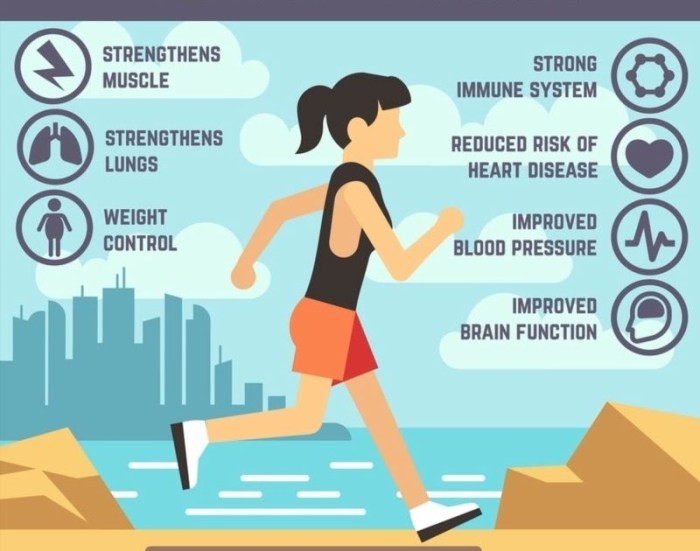
Regular exercise plays a crucial role in maintaining overall physical health. It not only helps in improving cardiovascular fitness but also has numerous benefits for the body and mind.
Improved Cardiovascular Health
Regular aerobic exercises such as running, swimming, or cycling can strengthen the heart and improve circulation. This, in turn, reduces the risk of heart diseases and stroke.
Enhanced Muscle Strength and Flexibility
Incorporating strength training exercises like weight lifting or bodyweight exercises into your routine can help build muscle mass and increase flexibility. Strong muscles support the joints and improve balance.
Weight Management
Consistent exercise, along with a balanced diet, can help in managing weight by burning calories and boosting metabolism. This is essential in preventing obesity and related health conditions.
Improved Mental Health
Regular physical activity releases endorphins, also known as “feel-good” hormones, which can help reduce stress, anxiety, and depression. Exercise is also linked to better cognitive function and overall mental well-being.
Prevention of Chronic Diseases
Maintaining an active lifestyle through regular exercise can lower the risk of developing chronic conditions such as type 2 diabetes, osteoporosis, and certain types of cancer. It also helps in managing blood pressure and cholesterol levels.
Health Eczema
Regular exercise can significantly benefit individuals with eczema by improving overall skin health and reducing inflammation. Exercise helps increase blood flow, which can promote healing and reduce the severity of eczema symptoms. Additionally, physical activity releases endorphins, which can help reduce stress levels, a common trigger for eczema flare-ups.
Potential Impact of Exercise on Skin Health
Regular exercise can have a positive impact on skin health for individuals with eczema. By improving circulation, exercise can help deliver essential nutrients to the skin, promote detoxification, and reduce inflammation. This can lead to a decrease in itching, redness, and overall severity of eczema symptoms.
- Cardiovascular exercises like running, cycling, or swimming can help improve circulation and overall cardiovascular health, which can benefit individuals with eczema.
- Yoga and Pilates can help reduce stress levels and promote relaxation, which can in turn help improve eczema symptoms.
- Strength training exercises can help build muscle mass and improve overall physical health, which can support skin health and reduce inflammation.
Mind Body Spirit
Regular exercise does not only benefit the physical body but also plays a crucial role in enhancing mental, emotional, and spiritual well-being. The connection between exercise and holistic health is undeniable, as it helps in achieving balance and harmony within the mind, body, and spirit.
Mental Well-being
Regular exercise has been proven to have a positive impact on mental health by reducing symptoms of anxiety, depression, and stress. Physical activity releases endorphins, also known as the “feel-good” hormones, which can improve mood and overall mental well-being.
- Exercise can help in improving cognitive function and memory.
- It provides a sense of accomplishment and boosts self-esteem.
- Regular physical activity can also promote better sleep patterns, which are essential for mental rejuvenation.
Emotional and Spiritual Health
Incorporating exercise into a holistic wellness routine can significantly improve emotional and spiritual health. Physical activity can serve as a form of meditation, allowing individuals to connect with their inner selves and find peace and clarity.
- Exercise can help in managing emotions and reducing feelings of anger and frustration.
- It promotes mindfulness and present-moment awareness, fostering a deeper connection with oneself.
- Engaging in physical activity outdoors, such as hiking or yoga in nature, can enhance spiritual well-being by connecting with the natural world.
Incorporating Exercise into Holistic Wellness Routine
To reap the full benefits of exercise on mind, body, and spirit, it is essential to incorporate physical activity into a holistic wellness routine. Here are some tips to help you achieve a balanced approach to overall well-being:
- Find activities that you enjoy and are sustainable in the long run.
- Set realistic goals and create a workout schedule that fits your lifestyle.
- Combine different types of exercises, such as cardio, strength training, and flexibility exercises, for a well-rounded fitness regimen.
- Practice mindfulness during workouts to enhance the mind-body connection and spiritual awareness.
- Listen to your body and give yourself rest when needed to prevent burnout and injuries.
Detoxification
Regular exercise plays a crucial role in supporting the body’s natural detoxification process. By engaging in physical activity, you can help your body eliminate toxins and waste more efficiently, leading to improved overall health.
Exercise and Detoxification
Regular exercise helps stimulate circulation and lymphatic flow, which are essential for detoxification. Activities like running, cycling, and swimming can increase blood flow and promote the removal of toxins from the body. Additionally, strength training exercises can help build muscle mass, which aids in metabolism and detoxification processes.
- Cardiovascular exercises such as running or aerobics can help increase heart rate and blood flow, facilitating the removal of toxins through sweat and improved circulation.
- Yoga and stretching exercises can help improve flexibility and reduce stress, which can support the body’s natural detoxification processes.
- High-intensity interval training (HIIT) can boost metabolism and promote detoxification through increased oxygen consumption and calorie burn.
Hydration during Workouts
Staying hydrated is essential during detoxifying workouts to support the body’s natural processes. Proper hydration helps flush out toxins through urine and sweat, ensuring that the body can effectively eliminate waste.
- Drink water before, during, and after your workout to maintain proper hydration levels and support detoxification.
- Avoid sugary sports drinks and opt for plain water or infused water with fruits like lemon or cucumber for added hydration benefits.
Dental Care
Regular exercise not only benefits your overall health but also plays a crucial role in maintaining good dental care habits. The relationship between exercise and oral hygiene is often overlooked, but it can have a significant impact on the health of your teeth and gums.
Impact of Exercise on Dental Health
Regular physical activity can help improve blood circulation, including to the gums, which can promote healthy teeth and gums. Exercise also helps reduce inflammation in the body, which can benefit oral health by decreasing the risk of gum disease. Additionally, staying active can boost your immune system, making it easier for your body to fight off oral infections.
Maintaining Good Dental Care Habits Alongside Exercise
- Brush your teeth at least twice a day, especially after meals, to prevent plaque buildup.
- Floss daily to remove food particles and plaque from between your teeth.
- Stay hydrated during and after your workouts to help wash away bacteria and prevent dry mouth.
- Avoid sugary sports drinks and opt for water instead to protect your teeth from decay.
- Visit your dentist regularly for check-ups and cleanings to catch any issues early on.
Back Pain
Regular exercise plays a crucial role in preventing and managing back pain. Strengthening the muscles that support the spine, improving flexibility, and maintaining a healthy weight are all key benefits of exercise for back pain relief.
Specific Exercises for Back Pain Relief
- Planks: Strengthen the core muscles to support the back.
- Bird Dog: Improve balance and strengthen the lower back.
- Bridge: Strengthen the glutes and lower back muscles.
- Cat-Cow Stretch: Improve flexibility and relieve tension in the spine.
Tips for Safe Exercise Practices with Back Pain
- Consult with a healthcare provider or physical therapist before starting any exercise routine.
- Avoid high-impact activities that may strain the back, such as running or jumping.
- Start with gentle exercises and gradually increase intensity and duration as tolerated.
- Listen to your body and stop any exercise that causes pain or discomfort.
Health Asthma
Regular exercise can bring numerous benefits to individuals with asthma. Exercise has been shown to improve lung function, increase lung capacity, and enhance overall respiratory health for those living with asthma. It can also help reduce the frequency and severity of asthma attacks, leading to better management of the condition.
Benefits of Exercise for Asthma
Regular physical activity can help strengthen the muscles used for breathing, making it easier for individuals with asthma to breathe. It can also improve cardiovascular fitness, which is crucial for those with asthma as they may experience shortness of breath during physical activities. Exercise can also help control weight, reduce stress, and boost overall well-being, which are all important factors in managing asthma symptoms.
- Walking: A low-impact exercise that can be easily incorporated into daily routines.
- Swimming: A great option as it involves breathing exercises and the humid environment can be beneficial for asthma sufferers.
- Cycling: Helps improve cardiovascular fitness without putting too much strain on the lungs.
- Yoga: Focuses on controlled breathing techniques and can help improve lung function and reduce stress.
- Tai Chi: A gentle form of exercise that can improve respiratory function and reduce anxiety.
Health Depression
Regular exercise has been shown to have a positive impact on individuals struggling with depression. Physical activity can play a crucial role in managing mental health conditions like depression by releasing endorphins, which are known as “feel-good” hormones. These endorphins help reduce feelings of pain and stress while promoting a sense of well-being.
Link between Physical Activity and Mental Health
Exercise has the power to improve mood, reduce anxiety, and enhance self-esteem in individuals battling depression. By engaging in regular physical activity, individuals with depression can experience a boost in their overall mental well-being. Additionally, exercise can help combat feelings of fatigue and improve sleep patterns, which are often disrupted in individuals with depression.
- Regular exercise can help increase levels of serotonin, a neurotransmitter that plays a key role in regulating mood.
- Physical activity can provide a distraction from negative thoughts and rumination, allowing individuals to focus on the present moment.
- Creating a routine around exercise can instill a sense of accomplishment and purpose, helping individuals regain a sense of control over their lives.
Headaches Migraines
Regular exercise has been shown to be beneficial in reducing the frequency and intensity of headaches and migraines. By incorporating physical activity into your routine, you can potentially experience fewer and less severe headaches.Exercise plays a crucial role in promoting circulation throughout the body, including the brain. Improved blood flow can help reduce the occurrence of tension-related headaches, which are often triggered by stress and muscle tightness.
Exercises for Headache Relief
- Cardiovascular exercises such as brisk walking, running, or cycling can help increase blood flow and oxygen delivery to the brain, potentially relieving headaches.
- Yoga and Pilates focus on stretching and strengthening the muscles, reducing tension and promoting relaxation, which can be beneficial for headache management.
- Strength training exercises targeting the neck and shoulder muscles can help alleviate tension and improve posture, reducing the risk of tension headaches.
Pain Management
Regular exercise plays a crucial role in managing pain, especially chronic conditions. By staying active, individuals can experience relief from various types of pain and improve their overall quality of life. Let’s explore how exercise can help in pain management and some tips for incorporating it into a pain management plan.
Benefits of Exercise for Pain Management
Regular exercise helps in pain management by releasing endorphins, which are the body’s natural painkillers. It also improves blood circulation, reduces inflammation, and strengthens muscles, all of which contribute to pain relief. Additionally, exercise can help improve flexibility and range of motion, making it easier to move and reducing stiffness and discomfort.
- Include a mix of cardiovascular exercises, strength training, and flexibility exercises in your routine.
- Start slowly and gradually increase the intensity and duration of your workouts to prevent injury.
- Listen to your body and modify exercises as needed to avoid exacerbating pain.
- Stay consistent with your exercise routine to experience long-term benefits for pain management.
Sleep Snoring
Regular exercise plays a crucial role in improving sleep quality and reducing snoring. The connection between physical activity and restful sleep is significant, as exercise helps regulate sleep patterns and promote deeper, more restorative sleep. Here are some tips on creating a bedtime exercise routine for better sleep:
Tips for Better Sleep Through Exercise
- Aim for at least 30 minutes of moderate-intensity exercise most days of the week.
- Try to avoid vigorous exercise close to bedtime, as it may be stimulating and interfere with sleep.
- Yoga or stretching exercises before bed can help relax the body and mind, promoting better sleep.
- Cardiovascular exercises like walking, cycling, or swimming can improve overall sleep quality.
- Strength training exercises can also be beneficial for sleep, as they help reduce stress and anxiety levels.
Self Hypnosis
Self-hypnosis is a powerful technique that involves inducing a state of focused attention and heightened suggestibility to promote positive changes in behavior or mindset. When combined with regular exercise, self-hypnosis can be even more effective in improving mental well-being and overall health.Regular exercise has been shown to reduce stress, anxiety, and depression while promoting feelings of relaxation and well-being. When paired with self-hypnosis techniques, such as visualization or positive affirmations, the benefits can be amplified.
By incorporating self-hypnosis into your exercise routine, you can enhance your mental focus, motivation, and overall performance.
Exercises for Self-Hypnosis
- Walking Meditation: Combine the rhythmic movement of walking with deep breathing and visualization techniques to calm the mind and reduce stress.
- Yoga Practice: Engage in a series of yoga poses while focusing on your breath and positive affirmations to promote relaxation and mental clarity.
- Running Visualization: Use running or jogging as a form of moving meditation, focusing on a specific goal or intention while letting go of negative thoughts.
Contraceptives Birth Control
Regular exercise can play a role in how effective contraceptives or birth control methods are for individuals. It’s important to understand how exercise can impact the efficacy of these methods, as well as any potential interactions between exercise and hormonal contraceptives. Here are some tips for those using birth control to maintain a healthy exercise routine.
Effectiveness of Contraceptives with Exercise
Regular exercise can potentially affect the metabolism of hormonal contraceptives in the body. Some studies suggest that intense physical activity may decrease the effectiveness of certain hormonal birth control methods. It is recommended to consult with a healthcare provider to understand how exercise may impact the specific type of contraceptive being used.
Interactions between Exercise and Hormonal Contraceptives
Certain types of hormonal contraceptives, such as the pill, may have side effects that could be exacerbated by exercise. For example, some individuals may experience irregular bleeding or changes in menstrual cycle patterns when combining intense exercise with hormonal birth control. It is essential to communicate any concerns or changes in symptoms to a healthcare provider.
Tips for Maintaining a Healthy Exercise Routine with Birth Control
Communicate with your healthcare provider
Before starting a new exercise routine or making significant changes to your current regimen, discuss your contraceptive method and any concerns with your healthcare provider.
Monitor your body
Pay attention to any changes in your menstrual cycle, bleeding patterns, or overall well-being while exercising with birth control. Keep track of any symptoms and discuss them with your healthcare provider.
Stay consistent
Consistency is key when it comes to maintaining a healthy exercise routine while using birth control. Find a balance that works for your body and stick to it.
Consider alternative methods
If you experience significant side effects or changes in the effectiveness of your contraceptive method due to exercise, explore alternative birth control options with the guidance of your healthcare provider.
Mens Issues
Regular exercise plays a crucial role in improving men’s health and addressing common issues they may face. By incorporating specific exercises into their routine, men can effectively manage and prevent various health concerns. Here, we will explore how exercise can benefit men’s health and provide tips on incorporating exercise into their wellness routine.
Benefits of Regular Exercise for Men’s Health
Regular exercise offers numerous benefits for men’s health, including:
- Improved cardiovascular health: Aerobic exercises like running, cycling, or swimming can strengthen the heart and improve overall cardiovascular function.
- Weight management: Engaging in regular physical activity helps men maintain a healthy weight and reduce the risk of obesity-related conditions.
- Enhanced muscle strength: Strength training exercises, such as weightlifting, can help build muscle mass and increase strength.
- Reduced risk of chronic diseases: Regular exercise can lower the risk of developing conditions like type 2 diabetes, hypertension, and certain types of cancer.
- Improved mental health: Physical activity has been shown to reduce stress, anxiety, and depression, promoting overall mental well-being.
Specific Exercises for Men’s Health Concerns
Men can target common health issues by incorporating specific exercises into their routine, such as:
- Core exercises: Planks, crunches, and Russian twists can strengthen the core muscles, improving posture and reducing the risk of back pain.
- Functional training: Movements that mimic everyday activities, such as squats and lunges, can improve balance, flexibility, and overall functional fitness.
- Cardiovascular exercises: High-intensity interval training (HIIT) or sprint intervals can boost cardiovascular fitness and burn calories efficiently.
- Strength training: Exercises targeting major muscle groups, like bench presses, deadlifts, and rows, can increase muscle mass and strength.
Tips for Incorporating Exercise into Men’s Wellness Routine
To make exercise a regular part of their routine, men can follow these tips:
- Schedule workouts: Set aside dedicated time for exercise in your daily schedule to ensure consistency.
- Find activities you enjoy: Choose workouts that you find enjoyable, whether it’s playing a sport, hiking, or attending group fitness classes.
- Set realistic goals: Establish achievable fitness goals to stay motivated and track your progress over time.
- Stay accountable: Work out with a friend, join a fitness group, or hire a personal trainer to stay accountable and motivated.
Mood Disorders
Regular exercise has been proven to have a positive impact on individuals with mood disorders. Physical activity plays a crucial role in managing mood swings and promoting emotional stability. By engaging in mood-boosting exercises, individuals with mood disorders can experience significant improvements in their mental well-being.
Role of Physical Activity
Regular physical activity helps in releasing endorphins, also known as the “feel-good” hormones, which can help elevate mood and reduce feelings of anxiety and depression. Exercise also helps in reducing stress levels and improving sleep quality, which are essential factors in managing mood disorders.
- Cardiovascular exercise, such as running, swimming, or cycling, can help in boosting mood by increasing blood flow to the brain and releasing endorphins.
- Strength training exercises, like weightlifting or bodyweight exercises, can help improve self-esteem and confidence, contributing to better emotional well-being.
- Yoga and Pilates are beneficial for individuals with mood disorders as they focus on mindfulness, breathing techniques, and relaxation, which can help in reducing stress and promoting emotional stability.
Health and Fitness
Regular exercise plays a crucial role in maintaining overall health and fitness. It not only helps in managing weight but also contributes to reducing the risk of chronic diseases such as heart disease, diabetes, and certain types of cancer. Exercise is also beneficial for mental health, as it can help reduce stress, anxiety, and depression.
Interconnectedness between Exercise and Overall Health
Regular exercise is interconnected with overall health in various ways. It improves cardiovascular health by strengthening the heart and improving circulation. Exercise also boosts the immune system, making it easier for the body to fight off infections. Additionally, physical activity helps in maintaining healthy bones, muscles, and joints, reducing the risk of osteoporosis and arthritis.
Maintaining a Healthy Lifestyle with Exercise
To maintain a healthy lifestyle with exercise, it is important to incorporate a variety of activities such as cardio, strength training, and flexibility exercises. Aim for at least 150 minutes of moderate-intensity exercise per week, along with muscle-strengthening activities on two or more days a week. Stay hydrated, eat a balanced diet rich in fruits, vegetables, lean proteins, and whole grains, and get an adequate amount of sleep to support your exercise routine.
Balancing Exercise with Other Aspects of Fitness
Balancing exercise with other aspects of fitness involves incorporating rest days into your routine to allow your body to recover. Listen to your body and adjust your workout intensity accordingly to prevent burnout and injuries. It’s also essential to practice mindfulness and stress-reducing techniques to support your mental well-being alongside physical fitness. Remember, consistency is key to reaping the benefits of exercise for overall health and fitness.
Critical Care
Regular exercise plays a crucial role in critical care settings, aiding in recovery and promoting overall well-being for individuals in these situations. Physical activity can help improve circulation, strengthen muscles, and boost mood, which are all essential for recovery.
Importance of Exercise in Critical Care
Regular exercise in critical care settings can help prevent muscle weakness, improve lung function, and enhance overall cardiovascular health. It also plays a key role in reducing stress levels and promoting mental well-being during the recovery process.
- Walking: Gentle walks can help improve circulation and prevent muscle atrophy.
- Chair exercises: Simple movements while seated can help maintain muscle strength and flexibility.
- Deep breathing exercises: Breathing exercises can improve lung function and reduce the risk of respiratory complications.
- Stretching: Gentle stretching exercises can help prevent stiffness and improve range of motion.
Health Exercise
Regular exercise plays a crucial role in promoting overall health and well-being. It not only helps in maintaining a healthy weight but also reduces the risk of chronic diseases, boosts mental health, and improves quality of life.
Types of Exercises and Their Health Benefits
- Aerobic Exercises: Activities like running, swimming, or cycling improve cardiovascular health, increase stamina, and help in weight management.
- Strength Training: Lifting weights or using resistance bands can build muscle strength, increase bone density, and improve metabolism.
- Flexibility Exercises: Stretching exercises like yoga or Pilates enhance flexibility, reduce the risk of injury, and improve posture.
- Balance Exercises: Activities like tai chi or specific balance exercises can help prevent falls, especially in older adults.
Creating a Personalized Exercise Routine
To create a personalized exercise routine based on individual health goals, consider the following tips:
- Set specific and achievable goals, whether it’s weight loss, muscle gain, or overall fitness improvement.
- Choose activities that you enjoy and can easily incorporate into your daily routine.
- Vary your routine to include a mix of aerobic, strength, flexibility, and balance exercises for overall fitness.
- Start slowly and gradually increase the intensity and duration of your workouts to avoid injury and burnout.
- Listen to your body and adjust your routine as needed, seeking guidance from a fitness professional if necessary.
Health Holistic
Regular exercise plays a crucial role in a holistic approach to health and wellness. It not only benefits the body but also the mind and spirit, contributing to overall well-being. By integrating exercise with other holistic practices, individuals can achieve a more balanced and harmonious state of health.
Holistic Exercises for Mind, Body, and Spirit
- Yoga: Combining physical postures, breathing techniques, and meditation, yoga is a holistic practice that promotes flexibility, strength, and mental clarity.
- Tai Chi: This Chinese martial art focuses on slow, deliberate movements to improve balance, coordination, and relaxation, enhancing both physical and mental well-being.
- Mindful Walking: Walking mindfully involves paying full attention to the act of walking, connecting with nature, and being present in the moment, which can reduce stress and increase awareness.
- Dance Therapy: Using movement and expression to tap into emotions and release tension, dance therapy can be a holistic exercise that promotes emotional healing and self-expression.
Anti Aging
Regular exercise is not only beneficial for overall health but can also play a significant role in anti-aging. Physical activity has been shown to support healthy aging processes and help maintain a youthful appearance. By incorporating exercise into your daily routine, you can improve circulation, boost collagen production, and reduce the signs of aging.
Relationship between Exercise and Anti-Aging
Regular exercise helps improve blood flow, delivering essential nutrients and oxygen to the skin cells. This increased circulation can promote cell renewal and repair, leading to healthier, more youthful-looking skin. Additionally, exercise can help reduce inflammation, which is a common factor in aging skin.
- Engaging in cardiovascular activities like running, cycling, or swimming can increase heart rate and blood flow, promoting skin health.
- Strength training exercises can help build muscle mass, which can give the skin a firmer, more toned appearance.
- Yoga and stretching exercises can improve flexibility and reduce tension, preventing wrinkles and sagging skin.
Remember to stay hydrated before, during, and after exercise to support skin elasticity and overall health.
Incorporating Exercise into Skincare Routine
To maximize the anti-aging benefits of exercise, it’s essential to incorporate physical activity into your skincare routine. This can be achieved by following a few simple tips:
- Start your day with a morning workout to boost circulation and energize your skin.
- Choose skincare products with ingredients like antioxidants and vitamins to enhance the effects of exercise on the skin.
- Practice post-workout skincare routines to cleanse the skin, remove sweat and impurities, and moisturize to maintain hydration.
Healthcare Systems
Regular exercise plays a crucial role in promoting efficient healthcare systems by preventing various chronic diseases and reducing the burden on healthcare resources. By incorporating exercise into daily routines, individuals can improve their overall health and well-being, leading to a decreased need for medical interventions and treatments.
Preventive Measures and Healthcare Resources
- Regular exercise helps in maintaining a healthy weight, reducing the risk of obesity-related conditions such as diabetes, heart disease, and hypertension.
- Physical activity strengthens the immune system, reducing the chances of infections and illnesses.
- Exercise can improve mental health, reducing the prevalence of conditions like anxiety and depression, thus decreasing the need for mental health services.
Successful Healthcare Programs
- The “Exercise is Medicine” initiative by the American College of Sports Medicine promotes physical activity as a vital sign of health and encourages healthcare providers to assess and prescribe exercise to their patients.
- The “Green Prescription” program in New Zealand allows healthcare professionals to prescribe outdoor physical activities to patients, leading to improved overall health outcomes.
- Corporate wellness programs that include exercise components have shown to reduce healthcare costs for employers by decreasing absenteeism and improving productivity among employees.
Health Hemorrhoids
Regular exercise can have a positive impact on individuals dealing with hemorrhoids by promoting better circulation, reducing constipation, and strengthening the muscles around the rectum. This can help alleviate symptoms and prevent flare-ups.
Exercises for Relief and Prevention
- Cardio exercises like walking, jogging, or swimming can improve blood flow and reduce constipation, which is a common trigger for hemorrhoids.
- Yoga poses that focus on gentle stretching and strengthening of the pelvic floor muscles can help alleviate discomfort and prevent future episodes.
- Kegel exercises, which involve contracting and relaxing the muscles in the pelvic floor, can improve circulation and tone the area around the anus.
Tips for Safe Exercise
- Avoid heavy lifting or straining during workouts, as this can exacerbate hemorrhoid symptoms.
- Stay hydrated and maintain a high-fiber diet to prevent constipation, which is a major risk factor for hemorrhoids.
- Listen to your body and stop any exercise that causes pain or discomfort in the rectal area.
Final Summary
As we wrap up our exploration of the myriad benefits of regular exercise, remember, a little sweat today leads to a healthier tomorrow. So, lace up those sneakers, hit the gym, and embrace the incredible changes that await you on your fitness journey!
FAQ Guide
Can exercise really prevent certain health conditions?
Absolutely! Regular exercise has been shown to reduce the risk of various health issues such as heart disease, diabetes, and even certain types of cancer.
How can exercise impact dental health?
Exercise can improve blood circulation, which in turn benefits gum health. It also helps reduce inflammation in the body, which can positively affect oral health.
Is there a connection between exercise and mood disorders?
Definitely! Exercise releases endorphins, the feel-good hormones, which can help alleviate symptoms of mood disorders and promote emotional well-being.


