
Step into the world of collagen and discover the secrets to youthful skin, reduced wrinkles, and overall anti-aging benefits. Get ready for a journey filled with collagen-rich foods, supplements, and tips for maintaining skin elasticity as we delve into the realm of age-defying beauty!
Collagen for Anti-Aging Benefits
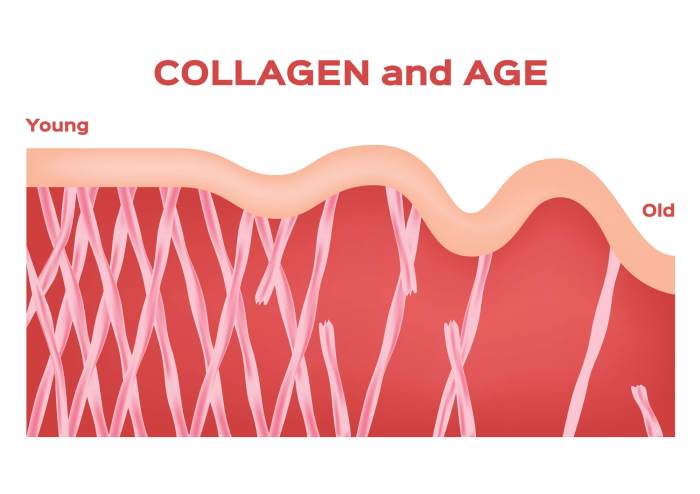
Collagen plays a crucial role in maintaining youthful skin by providing structure, firmness, and elasticity. As we age, collagen production decreases, leading to sagging skin, wrinkles, and fine lines.
Collagen-Rich Foods for Promoting Anti-Aging Benefits
Eating a diet rich in collagen-boosting foods can help support healthy skin. Some examples of collagen-rich foods include:
- Bone broth
- Salmon
- Chia seeds
- Citrus fruits
Effectiveness of Collagen Supplements in Reducing Wrinkles and Fine Lines
Collagen supplements have gained popularity for their potential anti-aging benefits. Studies suggest that collagen supplements may help improve skin elasticity, hydration, and reduce the appearance of wrinkles and fine lines. However, results may vary from person to person.
Impact of Decreased Collagen Production on Skin Elasticity
As we age, collagen production naturally declines, leading to a loss of skin elasticity. This decrease in collagen levels results in thinner, weaker skin that is more prone to sagging and wrinkles. It is essential to support collagen production through diet, lifestyle choices, and potentially supplements to maintain youthful-looking skin.
Health Eczema
Collagen, known for its anti-aging benefits, can also play a crucial role in improving skin conditions like eczema. Let’s delve into how collagen can help manage eczema symptoms and promote overall skin health.
Role of Collagen in Eczema
Collagen is essential for skin health and repair. In the case of eczema, collagen helps in promoting skin healing and reducing inflammation. Eczema is characterized by dry, itchy, and inflamed skin, and collagen can support the skin’s barrier function, improving moisture retention and reducing irritation.
- Collagen-based creams: There are various collagen-based creams available in the market that can help soothe and hydrate eczema-prone skin. These creams may contain collagen peptides that can penetrate the skin barrier and promote healing.
- Collagen treatments: Some dermatologists may recommend collagen treatments, such as collagen induction therapy or collagen injections, to help improve skin texture and reduce inflammation associated with eczema.
Collagen Supplementation for Eczema
In addition to topical treatments, collagen supplementation can also support overall skin health for individuals with eczema. By boosting collagen production in the body, supplementation can help strengthen the skin’s barrier, improve elasticity, and reduce inflammation, leading to better management of eczema symptoms.
It is essential to consult with a healthcare professional before starting any collagen supplementation regimen, especially if you have eczema or other skin conditions.
Mind Body Spirit
Collagen consumption is not only beneficial for anti-aging effects but also plays a significant role in promoting mental well-being and spiritual wellness. Let’s delve into how collagen can positively impact the mind-body-spirit connection.
Collagen and Mental Well-being
Collagen contains glycine, an amino acid that acts as a neurotransmitter in the brain. This can help improve cognitive function, memory, and mood regulation. By consuming collagen regularly, individuals may experience reduced stress and anxiety levels, leading to a more balanced mental state.
Collagen and Overall Body Vitality
Collagen is essential for maintaining the overall vitality of the body. It supports joint health, muscle strength, and energy levels, which are all crucial factors in ensuring a healthy and active lifestyle. By incorporating collagen into your diet, you can enhance your body’s resilience and vitality, promoting a sense of well-being.
Holistic Approach with Collagen and Mindfulness Practices
Combining collagen intake with mindfulness practices such as meditation, yoga, or deep breathing exercises can create a synergistic effect on the mind-body connection. These practices, along with collagen consumption, can help reduce inflammation, improve digestion, and enhance mental clarity, fostering a holistic approach to overall well-being.
Collagen for Inner Peace and Spiritual Wellness
Collagen’s ability to support gut health and reduce inflammation can have a profound impact on one’s spiritual wellness. A healthy gut is often referred to as the “second brain,” influencing mood, emotions, and overall well-being. By nourishing the gut with collagen-rich foods, individuals may experience a greater sense of inner peace, clarity, and spiritual connection.
Detoxification
Collagen plays a crucial role in supporting the body’s detoxification processes and promoting overall health. Let’s delve into how collagen aids in detoxifying the body and supporting liver function.
Role of Collagen Peptides in Cellular Regeneration
Collagen peptides are essential in promoting cellular regeneration, which is crucial for detox purposes. These peptides help repair and renew damaged cells, allowing the body to effectively eliminate toxins. By supporting the regeneration of cells, collagen peptides contribute to the overall detoxification process.
Recipes and Methods for Natural Detoxification
To incorporate collagen for natural detoxification, consider adding collagen supplements to your daily routine. You can also try collagen-rich recipes such as bone broth, smoothies with collagen powder, or collagen-infused soups. These recipes not only provide a boost of collagen but also aid in eliminating toxins from the body naturally.
Eliminating Toxins for Overall Health
Collagen helps eliminate toxins by supporting liver function, promoting cellular regeneration, and improving overall health. By incorporating collagen into your diet or skincare routine, you can enhance the body’s detoxification processes and achieve a healthier, rejuvenated state.
Dental Care
Collagen plays a crucial role in maintaining oral health by supporting gum regeneration and aiding in the repair of damaged tooth enamel.
Benefits of Collagen for Oral Health
- Collagen promotes gum regeneration, helping to maintain healthy gums and prevent issues such as gum disease.
- It supports the repair of damaged tooth enamel, strengthening the teeth and reducing the risk of cavities.
- Collagen helps in maintaining the structural integrity of the jawbone, which is essential for overall oral health.
Back Pain
Collagen supplements have been gaining popularity for their potential benefits in alleviating back pain and improving joint health. These supplements contain essential amino acids that are crucial for maintaining the integrity of connective tissues, including those in the spine.
Impact on Spine Flexibility and Inflammation Reduction
Collagen plays a key role in supporting the flexibility of the spine by providing structural support to the discs between the vertebrae. As we age, the natural production of collagen in the body decreases, leading to issues such as reduced spine flexibility and increased inflammation in the back. By supplementing with collagen, individuals may experience improvements in spine flexibility and a reduction in back inflammation.
- Collagen helps in rebuilding and repairing cartilage in the spine, which can contribute to better joint health and reduced pain.
- Studies have shown that collagen supplementation can help reduce inflammation markers in the body, which may alleviate back pain caused by inflammation.
Exercises and Stretches for Back Pain Management
In addition to collagen supplementation, incorporating specific exercises and stretches into your routine can further help in managing back pain and supporting spinal health. These exercises can help strengthen the muscles surrounding the spine and improve overall flexibility.
- Yoga poses such as Cat-Cow stretch, Child’s Pose, and Cobra Pose can help stretch and strengthen the muscles in the back.
- Core strengthening exercises like Planks and Bird Dogs can help stabilize the spine and reduce the risk of back injuries.
Collagen Support for Spinal Health
Collagen is a vital component of the discs that cushion the vertebrae in the spine. By maintaining healthy collagen levels through supplementation, individuals can support the structural integrity of these discs, reducing the risk of degenerative conditions such as disc herniation and osteoarthritis.
Collagen peptides have been shown to improve the hydration and elasticity of intervertebral discs, promoting overall spinal health.
Health Asthma
Collagen plays a crucial role in supporting respiratory health, especially in managing conditions like asthma. By understanding how collagen can reduce inflammation in the airways and improve lung function, individuals with asthma can potentially benefit from incorporating collagen-rich foods or supplements into their diet.
Collagen-Rich Foods for Asthma Management
- Eat more bone broth: Bone broth is rich in collagen and other nutrients that can help reduce inflammation in the airways, making it beneficial for individuals with asthma.
- Include more fish in your diet: Fish like salmon and mackerel are excellent sources of collagen and omega-3 fatty acids, which have anti-inflammatory properties that can support respiratory health.
- Opt for collagen supplements: Collagen supplements can provide an additional boost of this essential protein, helping to support overall lung function and reduce inflammation in the airways.
Health Depression
Collagen is not only beneficial for physical health but also plays a significant role in mental well-being. Let’s delve into how collagen can impact mental health, particularly in managing depression.
Collagen and Neurotransmitters
Collagen peptides contain amino acids that are essential for neurotransmitter production in the brain. Neurotransmitters like serotonin, dopamine, and norepinephrine play a crucial role in regulating mood and emotions. By providing the building blocks for these neurotransmitters, collagen may help in maintaining a balanced mood and managing symptoms of depression.
- Collagen contains glycine, which has been linked to improved sleep quality and reduced symptoms of anxiety and depression.
- Proline, another amino acid found in collagen, supports the production of collagen in the body and may help in reducing stress levels.
It is important to note that while collagen can support mental health, it is not a replacement for professional treatment or therapy for depression.
Collagen-Rich Diet and Lifestyle Recommendations
Incorporating collagen-rich foods such as bone broth, chicken skin, and fish into your diet can provide the necessary amino acids for neurotransmitter production. Additionally, lifestyle changes such as regular exercise, stress management techniques, and adequate sleep can complement the benefits of collagen in managing depression.
- Practice mindfulness and meditation to reduce stress and improve emotional well-being.
- Stay physically active to boost endorphins and enhance mood.
- Ensure a balanced diet rich in fruits, vegetables, lean proteins, and collagen sources for overall mental health.
Emotional Well-Being and Collagen Intake
Studies have shown that collagen supplementation can have a positive impact on emotional well-being by promoting relaxation and reducing symptoms of anxiety. The connection between collagen intake and emotional stability underscores the importance of a holistic approach to mental health that includes both physical and emotional well-being.
Headaches Migraines
Collagen plays a crucial role in reducing headaches and migraines by improving blood flow to the brain and supporting overall brain health. Inflammation is a common trigger for headaches, and collagen can help reduce inflammation, thereby decreasing the likelihood of experiencing migraines.
How Collagen Supports Brain Health
Collagen is essential for maintaining the integrity of the blood-brain barrier, which helps protect the brain from harmful substances. By promoting a healthy blood-brain barrier, collagen can support optimal brain function and reduce the risk of headaches and migraines.
- Collagen helps improve blood circulation, ensuring that essential nutrients and oxygen reach the brain efficiently.
- Collagen contains glycine, an amino acid that has anti-inflammatory properties, helping reduce inflammation in the brain that may trigger headaches.
- Collagen peptides can support neurotransmitter function, contributing to better brain signaling and potentially reducing the frequency of migraines.
Natural Remedies Incorporating Collagen for Headache Relief
Incorporating collagen into your diet through sources like bone broth, collagen supplements, or collagen-rich foods can provide relief from headaches and migraines. Here are some natural remedies to consider:
- Adding collagen powder to your morning smoothie or coffee for a nutrient boost.
- Consuming collagen-rich foods like chicken, fish, or bone broth to support overall brain health.
- Using collagen-infused skincare products to promote skin elasticity and reduce stress-related headaches.
Collagen Supplements for Managing Chronic Migraines
For individuals dealing with chronic migraines, collagen supplements can be a valuable addition to their treatment plan. These supplements can help address underlying inflammation, support brain health, and potentially reduce the frequency and intensity of migraines over time.
It’s essential to consult with a healthcare provider before incorporating collagen supplements into your routine, especially if you have existing medical conditions or are taking medications.
Pain Management
Collagen plays a crucial role in managing various types of pain, including joint pain and muscle soreness. Its anti-inflammatory properties have a significant impact on pain relief and overall well-being.
Collagen-Based Treatments for Pain Management
- Collagen supplements: Consuming collagen supplements can help reduce joint pain and inflammation, promoting better mobility and flexibility.
- Collagen injections: Injections of collagen directly into affected joints can provide targeted pain relief and improve joint function.
- Collagen creams: Topical creams containing collagen can be used to alleviate muscle soreness and promote faster recovery after physical activity.
- Collagen-rich foods: Including collagen-rich foods like bone broth in your diet can help support joint health and reduce pain associated with arthritis.
Sleep Snoring
Collagen, known for its anti-aging benefits, may also play a role in improving sleep quality and reducing snoring. Let’s delve into how collagen can support relaxation and muscle repair for better sleep.
Benefits of Collagen for Sleep Quality and Snoring
Collagen is a key protein that helps maintain the structure and integrity of our tissues, including muscles and skin. When it comes to sleep, collagen can aid in muscle repair, allowing for better relaxation and potentially reducing snoring. By supporting muscle health, collagen may contribute to less interrupted sleep and a more restful night’s rest.
Self Hypnosis
Collagen plays a crucial role not only in physical health but also in mental well-being. When it comes to self-hypnosis, collagen can have a significant impact on enhancing mental focus and concentration, ultimately leading to more effective self-hypnosis sessions.
Collagen and Cognitive Function
Collagen is known for its potential in supporting cognitive function and brain health. By incorporating collagen into your daily routine, you may experience improved mental clarity and focus, which are essential during self-hypnosis practices. This protein can help maintain brain health and enhance overall cognitive performance, allowing you to delve deeper into the self-hypnotic state.
Mindfulness Techniques with Collagen
Combining mindfulness techniques with collagen intake can amplify the benefits of self-hypnosis. Mindfulness practices such as deep breathing, meditation, and visualization can complement the effects of collagen in promoting a clear mind and reducing distractions during self-hypnosis sessions. This synergy between mindfulness and collagen can create a conducive environment for achieving a deep and transformative hypnotic state.
Promoting a Clear Mind with Collagen
Collagen’s ability to support brain health and cognitive function can contribute to a clearer mind, essential for effective self-hypnosis. By ensuring optimal brain function, collagen helps in sharpening focus, reducing mental fog, and enhancing concentration, all of which are crucial elements for successful self-hypnosis. Incorporating collagen into your routine can aid in deepening the hypnotic experience and unlocking the full potential of your mind-body connection.
Contraceptives Birth Control
Collagen plays a crucial role in maintaining hormonal balance in the body, which can have implications for individuals using contraceptives or birth control methods. Let’s explore how collagen intake may impact reproductive health and the menstrual cycle.
Collagen and Hormonal Balance
Collagen is rich in amino acids like glycine, proline, and hydroxyproline, which are essential for hormone production and regulation in the body. By supporting the endocrine system, collagen can help maintain a healthy hormonal balance, which is vital for overall well-being.
- Collagen-rich foods such as bone broth, salmon, and eggs can provide the necessary building blocks for hormone synthesis, potentially aiding in the effectiveness of contraceptives.
- Research suggests that collagen supplementation may help improve menstrual regularity and alleviate symptoms of hormonal imbalances, such as irregular periods or PMS.
- Consuming collagen regularly may also support the health of reproductive organs and tissues, promoting optimal function and hormonal equilibrium.
Mens Issues
Collagen plays a crucial role in addressing specific men’s health issues, offering a range of benefits that can support overall well-being and vitality. Let’s delve into how collagen can positively impact men’s health.
Prostate Health
Collagen has been shown to promote prostate health by reducing inflammation and supporting tissue repair. The amino acids in collagen help maintain the health of the prostate gland, potentially reducing the risk of conditions such as prostatitis or benign prostatic hyperplasia (BPH).
Erectile Dysfunction
Collagen may also play a role in supporting erectile function by improving blood flow and vascular health. Collagen supplementation can help maintain the structural integrity of blood vessels, potentially enhancing circulation to the penile area and supporting erectile health.
Muscle Growth and Testosterone Levels
Collagen contains amino acids like glycine and arginine, which are essential for muscle growth and repair. By supporting muscle tissue health, collagen can aid in muscle development and maintenance, especially when combined with regular exercise. Additionally, some studies suggest that collagen supplementation may help maintain healthy testosterone levels in men.
Promoting Overall Well-being
In addition to specific health concerns, collagen can contribute to men’s overall well-being by supporting joint health, skin elasticity, and gut function. The anti-inflammatory properties of collagen can help reduce joint pain and inflammation, while its role in skin health can promote a youthful appearance. Furthermore, collagen supports gut lining integrity, aiding in digestion and nutrient absorption.
Mood Disorders
Collagen plays a crucial role in mood regulation and can have a significant impact on managing mood disorders. By understanding how collagen influences serotonin production and neurotransmitter balance, individuals with mood disorders can better address their emotional well-being.
Collagen and Serotonin Production
Collagen contains amino acids like tryptophan, which is a precursor to serotonin production in the brain. Serotonin is a neurotransmitter that plays a key role in regulating mood, anxiety, and happiness. By incorporating collagen-rich foods or supplements into their diet, individuals can potentially support healthy serotonin levels and improve their emotional state.
- Collagen-rich diet suggestions: Include foods like bone broth, chicken, fish, and leafy greens, which are high in collagen and amino acids essential for serotonin production.
- Self-care practices: Engage in activities like yoga, meditation, and exercise to reduce stress levels and promote overall well-being.
Collagen and Positive Mental State
Consuming collagen may help promote a positive mental state by supporting brain health and neurotransmitter function. The amino acids in collagen play a vital role in maintaining cognitive function and emotional balance, which are essential for managing mood disorders effectively.
By incorporating collagen into their daily routine, individuals with mood disorders can potentially experience improvements in their emotional well-being and mental health.
Health and Fitness
Collagen plays a crucial role in promoting overall health and fitness by supporting muscle recovery, joint health, and athletic performance.
Muscle Recovery and Joint Support
Collagen is essential for maintaining healthy connective tissues, which are vital for muscle recovery and joint support. By incorporating collagen supplements into your routine, you can improve muscle repair and reduce the risk of injury during workouts.
Athletic Performance and Endurance
Collagen can also enhance athletic performance and endurance by providing the necessary support for ligaments, tendons, and muscles. This can lead to increased strength, stamina, and overall physical performance.
Collagen-Infused Meals for Fitness Goals
Consider incorporating collagen-rich foods such as bone broth, collagen protein bars, or collagen smoothies into your diet to maximize your fitness goals. These collagen-infused meals can help support muscle growth and recovery.
Healthy Body Composition and Fitness Endeavors
Maintaining a healthy body composition is crucial for achieving fitness goals, and collagen can play a key role in this process. Collagen helps support lean muscle mass, reduce body fat, and improve overall body composition, making it easier to reach your fitness milestones.
Critical Care
Collagen plays a crucial role in critical care settings, particularly in wound healing and tissue repair. Its ability to promote cell growth and regeneration makes it a valuable component in medical treatments for patients in intensive care units.
Medical Applications of Collagen in Critical Care
Collagen-based treatments are commonly used in critical care scenarios to accelerate the healing process of wounds, burns, and surgical incisions. These treatments help to rebuild damaged tissue and promote faster recovery for patients undergoing intensive medical care.
- Collagen dressings: These dressings are applied directly to wounds to create a moist healing environment, reduce inflammation, and support tissue regeneration.
- Collagen injections: In some cases, collagen injections are used to fill in deep wounds or promote healing in specific areas of the body.
- Collagen supplements: Patients in critical care may receive collagen supplements to support overall tissue repair and recovery.
Health Exercise
Collagen plays a crucial role in exercise performance, muscle strength, and endurance. It is the main structural protein in the body, providing support to muscles, tendons, ligaments, and other connective tissues.
Collagen Peptides for Muscle Repair and Growth
Collagen peptides can support muscle repair and growth after workouts by providing essential amino acids that are necessary for protein synthesis. These peptides can help in rebuilding muscle fibers that are broken down during exercise, leading to faster recovery and enhanced muscle growth.
- Collagen peptides contain high levels of glycine, proline, and hydroxyproline, which are important for collagen production and muscle repair.
- Studies have shown that collagen supplementation can increase muscle mass and strength, especially when combined with resistance training.
- Regular intake of collagen peptides can also help reduce exercise-induced inflammation and improve joint health, leading to better overall performance.
Pre and Post-Exercise Collagen Intake Recommendations
It is recommended to consume collagen peptides both before and after exercise to maximize their benefits for muscle repair and growth.
- Before exercise: Consuming collagen peptides before a workout can help provide a source of amino acids for energy and muscle support during physical activity.
- Post-exercise: Taking collagen peptides after exercise can aid in muscle recovery, reduce muscle soreness, and support muscle protein synthesis for optimal growth.
- Experts suggest combining collagen supplementation with a balanced diet and regular exercise routine for best results.
Impact of Collagen on Exercise Recovery and Physical Well-being
Collagen plays a vital role in exercise recovery by promoting muscle repair, reducing inflammation, and supporting overall physical well-being.
- Collagen can help maintain joint health and flexibility, preventing injuries and improving mobility during exercise.
- Supplementing with collagen peptides can enhance recovery time between workouts, allowing for more frequent and intense training sessions.
- Improved muscle strength and endurance from collagen supplementation can lead to better performance in various physical activities and sports.
Health Holistic
Collagen is not only beneficial for anti-aging purposes but also plays a significant role in promoting holistic health and wellness. By incorporating collagen into your daily routine, you can experience a range of benefits that contribute to your overall well-being.
Mental Well-being
- Collagen intake has been linked to improved cognitive function and mood stability.
- Supporting mental health through collagen-rich foods or supplements can enhance brain function and emotional resilience.
- Include collagen in your diet to support neurotransmitter function and promote mental clarity.
Physical Well-being
- Collagen is essential for maintaining healthy joints, bones, and muscles, supporting overall physical well-being.
- Consuming collagen-rich foods or supplements can help improve flexibility, mobility, and physical performance.
- Incorporate collagen into your diet to support tissue repair, reduce inflammation, and enhance overall physical health.
Emotional Well-being
- Collagen plays a role in promoting emotional balance and stress management.
- By supporting gut health and digestion, collagen can positively impact emotional well-being and mood regulation.
- Include collagen in your daily routine to support emotional resilience and overall emotional well-being.
Health Hemorrhoids
Collagen, known for its ability to support various aspects of health, may also play a role in managing hemorrhoids and promoting digestive wellness. Collagen is essential for maintaining gut integrity and reducing inflammation in the digestive tract, which can be beneficial for individuals dealing with hemorrhoids. By supporting the health of the digestive system, collagen may help alleviate symptoms and promote overall digestive health.
Benefits of Collagen for Hemorrhoids
- Collagen supplements can help strengthen the tissues in the digestive tract, including the rectum, which may aid in the healing of hemorrhoids.
- Collagen supports the production of mucin, a substance that forms a protective barrier in the gut, helping to soothe and protect hemorrhoidal tissues.
- Collagen promotes tissue regeneration, which can contribute to the healing of hemorrhoids and reduce discomfort.
Closing Summary
As we wrap up our collagen exploration, remember that the key to eternal youth may just lie in collagen. From skin healing to mental well-being, collagen offers a holistic approach to anti-aging benefits. Embrace the power of collagen and unlock a rejuvenated, youthful version of yourself!
FAQ Section
Can collagen supplements really reduce wrinkles?
Yes, collagen supplements have shown promising results in reducing wrinkles and fine lines by improving skin elasticity.
Are there any specific collagen-rich foods that can promote anti-aging benefits?
Yes, foods like bone broth, salmon, and berries are excellent sources of collagen that can benefit your skin’s health.
How does collagen production change as we age?
Collagen production decreases with age, leading to a loss of skin elasticity and the formation of wrinkles over time.
Can collagen help with joint pain and muscle soreness?
Absolutely! Collagen has been shown to support joint health and muscle recovery, making it a great option for managing pain and discomfort.


