
Embark on a journey through the world of Hemorrhoids symptoms and treatment, where we unravel the mysteries and provide solutions that will leave you feeling at ease.
Get ready to explore the ins and outs of this topic in a way that’s both informative and entertaining.
Hemorrhoids Symptoms
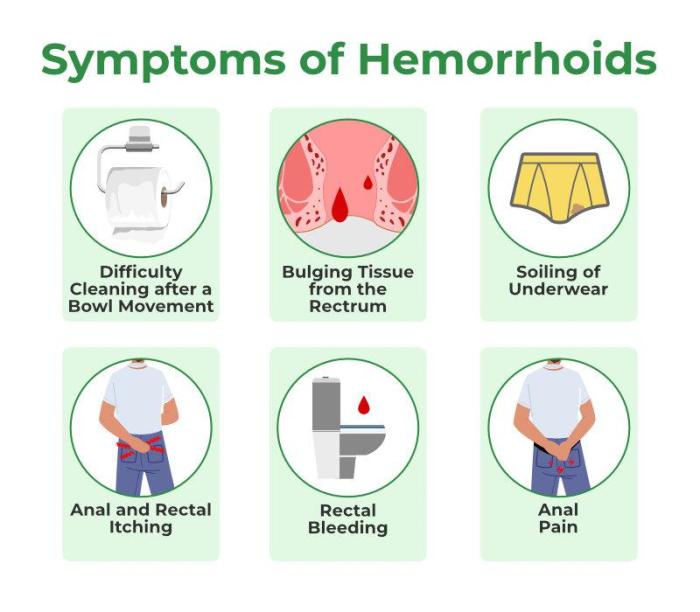
Hemorrhoids are a common condition that can cause discomfort and pain. It is important to recognize the symptoms of hemorrhoids to seek appropriate treatment.
Common Symptoms of Hemorrhoids
- Bleeding during bowel movements
- Itching or irritation in the anal area
- Pain or discomfort during bowel movements
- Swelling or a lump near the anus
Diagnosis of Hemorrhoids
Hemorrhoids are typically diagnosed through a physical examination of the anal area. In some cases, further tests such as a digital rectal exam or a sigmoidoscopy may be recommended to confirm the diagnosis.
External and Internal Hemorrhoid Symptoms
- External Hemorrhoids: Symptoms may include itching, pain, and swelling around the anus. A visible lump may also be present.
- Internal Hemorrhoids: Symptoms may include bleeding during bowel movements, discomfort, and a feeling of fullness or pressure in the rectum.
Hemorrhoids Causes
Hemorrhoids can be caused by a variety of factors, both internal and external. Understanding the common causes can help in prevention and management of this condition.
Lifestyle Factors and Hemorrhoids
Lifestyle choices play a significant role in the development of hemorrhoids. Factors such as diet, exercise, and hygiene practices can contribute to the occurrence of hemorrhoids.
- Poor Diet: Consuming a low-fiber diet can lead to constipation, which in turn increases the risk of developing hemorrhoids.
- Lack of Physical Activity: Sedentary lifestyle and lack of regular exercise can also contribute to the development of hemorrhoids.
- Prolonged Sitting: Jobs or activities that require long hours of sitting can put pressure on the rectal veins, leading to hemorrhoids.
- Poor Hygiene: Inadequate cleaning after bowel movements can irritate the anal area and increase the risk of hemorrhoids.
Risk Factors for Hemorrhoids
Several risk factors are associated with the development of hemorrhoids. It is important to be aware of these factors to take preventive measures.
- Age: Hemorrhoids are more common in older adults due to weakened rectal veins.
- Pregnancy: Increased pelvic pressure during pregnancy can cause hemorrhoids to develop.
- Obesity: Excess weight puts added pressure on the pelvic and rectal veins, increasing the risk of hemorrhoids.
- Chronic Constipation or Diarrhea: Straining during bowel movements can lead to the development of hemorrhoids.
Hemorrhoids Treatment Options
When it comes to treating hemorrhoids, there are various options available depending on the severity of the condition. From non-surgical treatments to surgical interventions, there are choices to alleviate symptoms and promote healing.
Non-Surgical Treatment Options
Non-surgical treatments are often recommended as the first line of defense against hemorrhoids. These options focus on relieving symptoms and reducing inflammation without the need for invasive procedures.
- Dietary Changes: Increasing fiber intake, drinking plenty of water, and avoiding straining during bowel movements can help soften stools and ease discomfort.
- Topical Medications: Over-the-counter creams, ointments, and suppositories can provide relief from itching, pain, and swelling associated with hemorrhoids.
- Sitz Baths: Soaking in warm water for 10-15 minutes several times a day can help soothe irritated tissues and reduce symptoms.
Surgical Treatment Options
In cases where non-surgical treatments are ineffective or for more severe hemorrhoids, surgical interventions may be necessary to provide long-term relief.
- Rubber Band Ligation: This procedure involves placing a rubber band around the base of the hemorrhoid to cut off its blood supply, causing it to shrink and fall off.
- Hemorrhoidectomy: Surgical removal of hemorrhoids is performed in cases of large, protruding hemorrhoids that do not respond to other treatments.
Home Remedies for Hemorrhoids
While not a replacement for medical treatment, some home remedies can help manage symptoms and promote healing alongside other treatments.
- Warm Compresses: Applying a warm compress to the affected area can help reduce pain and swelling.
- Aloe Vera: The soothing properties of aloe vera gel can provide relief from itching and discomfort.
- Witch Hazel: Witch hazel is a natural astringent that can help reduce inflammation and alleviate symptoms when applied topically.
Health Eczema
Eczema is a common skin condition characterized by red, itchy, and inflamed patches on the skin. It can be uncomfortable and sometimes even painful for those who suffer from it. Understanding the symptoms, triggers, and management techniques can help individuals better cope with eczema.
Common Symptoms of Eczema
- Itchy skin
- Red or brownish patches on the skin
- Dry, sensitive skin
- Swelling
- Crusting or oozing
Triggers for Eczema Flare-ups
- Allergens such as pollen, pet dander, or dust mites
- Irritants like soaps, detergents, and certain fabrics
- Extreme temperatures or humidity levels
- Stress and emotional factors
- Foods like dairy, eggs, or nuts
Tips for Managing Eczema
- Avoid harsh soaps and detergents, opting for gentle, fragrance-free products
- Moisturize regularly to keep the skin hydrated and prevent dryness
- Identify and avoid triggers that worsen symptoms
- Wear soft, breathable fabrics and avoid tight clothing
- Use mild, non-irritating skincare products
Mind Body Spirit
When it comes to overall health, the connection between mind, body, and spirit plays a crucial role in promoting holistic well-being. A balanced approach encompassing all three aspects can significantly improve health outcomes and enhance quality of life.
Mindfulness and Meditation
- Practicing mindfulness involves staying present and aware of your thoughts, feelings, and surroundings without judgment. This can help reduce stress, anxiety, and improve mental clarity.
- Meditation, on the other hand, focuses on training the mind to achieve a state of calm and inner peace. It can aid in relaxation, emotional well-being, and even physical health.
- Combining mindfulness and meditation techniques can create a powerful synergy for overall well-being, fostering a deeper connection between mind, body, and spirit.
Benefits of a Balanced Mind-Body-Spirit Approach
- Enhanced emotional resilience and coping mechanisms in the face of challenges and stressors.
- Improved physical health, including better immune function, reduced inflammation, and lower risk of chronic diseases.
- Greater sense of purpose and fulfillment, leading to increased overall happiness and life satisfaction.
- Stronger connection to oneself and others, fostering healthier relationships and social interactions.
- Overall, a balanced mind-body-spirit approach can lead to a more vibrant, meaningful, and fulfilling life.
Detoxification
Detoxification is the process of removing toxins and harmful substances from the body to promote overall health and well-being. By eliminating these toxins, the body can function more efficiently, leading to increased energy levels, improved digestion, and better immune function.
Benefits of Detoxification
- Flushes out toxins: Detox programs help to eliminate built-up toxins in the body, which can contribute to various health issues.
- Boosts energy levels: By removing toxins, the body can function more effectively, leading to increased energy and vitality.
- Improves digestion: Detoxifying the body can help improve digestion and nutrient absorption, leading to better overall gut health.
- Supports weight loss: Detox programs can help kickstart weight loss by eliminating excess waste and bloating from the body.
Methods of Detoxification
- Dietary changes: Eating a diet rich in fruits, vegetables, lean proteins, and whole grains can support the body’s natural detox processes.
- Cleansing programs: Following a structured cleansing program, such as a juice cleanse or detox diet, can help jumpstart the body’s detoxification process.
- Hydration: Drinking plenty of water helps flush out toxins and keep the body hydrated, supporting overall detoxification.
- Sauna therapy: Sweating in a sauna can help eliminate toxins through the skin, promoting detoxification.
Importance of Safe Detox Practices
- Consult a healthcare professional: Before starting any detox program, it’s essential to consult with a healthcare provider to ensure it is safe and appropriate for your individual needs.
- Avoid extreme measures: Extreme detox programs or fad diets can be harmful to your health and may not provide long-term benefits.
- Listen to your body: Pay attention to how your body responds to detox practices and make adjustments as needed to ensure you are supporting your overall health.
- Focus on long-term habits: Instead of relying on quick-fix detox programs, focus on developing healthy habits that support your body’s natural detoxification processes on a daily basis.
Dental Care
Maintaining good dental care is essential for overall health as it can impact various aspects of your well-being. Good oral hygiene not only helps prevent dental issues but also contributes to your overall health.
Importance of Dental Care
- Regular dental check-ups can help detect early signs of dental problems such as cavities, gum disease, and oral cancer.
- Proper dental care can prevent bad breath, tooth decay, and gum disease, which can lead to more serious health issues if left untreated.
- Studies have shown a link between poor oral health and systemic diseases such as heart disease, diabetes, and respiratory infections.
Common Dental Issues and Prevention
- Tooth decay: Maintain good oral hygiene by brushing and flossing regularly, avoiding sugary foods, and visiting your dentist for regular cleanings.
- Gum disease: Brushing and flossing regularly, using mouthwash, and quitting smoking can help prevent gum disease.
- Bad breath: Practice good oral hygiene, stay hydrated, and avoid foods that contribute to bad breath.
Tips for Good Oral Hygiene
- Brush your teeth at least twice a day with fluoride toothpaste.
- Floss daily to remove plaque and food particles between teeth.
- Use mouthwash to kill bacteria and freshen breath.
- Avoid tobacco products and limit sugary foods and drinks.
- Visit your dentist regularly for check-ups and professional cleanings.
Back Pain
Back pain is a common issue that can affect individuals of all ages and backgrounds. It can be caused by various factors, including poor posture, muscle strain, injury, or underlying medical conditions. Here, we will explore the common causes of back pain, different treatment options, and preventive measures to reduce the risk of experiencing back pain.
Common Causes of Back Pain
- Poor posture: Sitting or standing in an incorrect position for extended periods can strain the muscles and lead to back pain.
- Muscle strain: Overexertion, lifting heavy objects improperly, or sudden movements can cause muscle strain and result in back pain.
- Injury: Accidents, falls, or sports-related injuries can damage the muscles, ligaments, or discs in the back, causing pain.
- Medical conditions: Conditions such as arthritis, osteoporosis, herniated discs, or sciatica can contribute to chronic back pain.
Treatment Options for Managing Back Pain
- Physical therapy: Exercises and stretches designed to strengthen the back muscles and improve flexibility can help alleviate back pain.
- Medications: Over-the-counter pain relievers, muscle relaxants, or prescription medications may be used to manage pain and inflammation.
- Heat and cold therapy: Applying heat packs or ice packs to the affected area can help reduce pain and inflammation.
- Injections: Cortisone injections or nerve blocks may be recommended for severe or chronic back pain.
Preventive Measures to Reduce the Risk of Back Pain
- Maintain good posture: Practicing proper posture while sitting, standing, and lifting can help prevent strain on the back muscles.
- Stay active: Engaging in regular exercise, such as walking, swimming, or yoga, can strengthen the muscles and support the spine.
- Ergonomic adjustments: Using ergonomic furniture, such as a supportive chair and desk, can help reduce the risk of back pain while working or studying.
- Lift with care: When lifting heavy objects, bend at the knees and use your legs to lift instead of straining your back.
Health Asthma
Asthma is a chronic respiratory condition that affects the airways in the lungs, causing them to become inflamed and narrowed. This can result in symptoms such as coughing, wheezing, chest tightness, and shortness of breath.
Symptoms of Asthma
- Shortness of breath
- Coughing, especially at night or early in the morning
- Wheezing (a whistling sound when breathing)
- Chest tightness
Triggers for Asthma
- Allergens such as pollen, dust mites, or pet dander
- Respiratory infections like the common cold or flu
- Exercise or physical activity
- Smoke, air pollution, or strong odors
Treatment and Management of Asthma
- Medications such as inhalers (bronchodilators and corticosteroids) to relieve symptoms and prevent flare-ups
- Asthma action plan to help monitor symptoms and adjust treatment accordingly
- Avoiding triggers and allergens that worsen asthma symptoms
- Regular check-ups with a healthcare provider to assess lung function and adjust treatment as needed
Health Depression
Depression is a common mental health disorder characterized by persistent feelings of sadness, hopelessness, and loss of interest in activities. It can significantly impact one’s daily life, relationships, and overall well-being.
Definition and Symptoms
- Feeling of sadness or emptiness
- Lack of interest in activities once enjoyed
- Changes in appetite or weight
- Difficulty sleeping or oversleeping
- Fatigue or loss of energy
It is essential to recognize these symptoms early to seek appropriate help and support.
Contributing Factors
- Genetic predisposition
- Brain chemistry and neurotransmitter imbalances
- Major life events or trauma
- Chronic illnesses or medical conditions
- Substance abuse
Understanding these factors can help in identifying potential triggers and risk factors for depression.
Treatment Approaches
- Therapy (such as cognitive-behavioral therapy)
- Medication (antidepressants)
- Lifestyle changes (exercise, healthy diet, stress management)
- Social support and counseling
- Mind-body practices (yoga, meditation)
Combining different treatment approaches tailored to individual needs can be effective in managing depression and improving overall mental health.
Headaches Migraines
Headaches and migraines are both common conditions that can cause pain and discomfort, but they have distinct characteristics and treatment approaches.
Differentiate between headaches and migraines
- Headaches are a common symptom characterized by pain or discomfort in the head or neck area. They can range from mild to severe and may be constant or come and go.
- Migraines are a type of headache that is often accompanied by additional symptoms such as nausea, vomiting, and sensitivity to light and sound. Migraines can be more severe and debilitating than regular headaches.
Discuss common triggers for migraines
- Stress: Emotional or physical stress can trigger migraines in some individuals.
- Diet: Certain foods and drinks, such as caffeine, alcohol, and processed foods, can trigger migraines in susceptible individuals.
- Hormonal changes: Fluctuations in hormones, particularly in women during menstruation, pregnancy, or menopause, can trigger migraines.
Treatment options for both headaches and migraines
- Over-the-counter pain relievers: For mild headaches, over-the-counter medications like ibuprofen or acetaminophen can help alleviate pain.
- Prescription medications: For more severe headaches or migraines, prescription medications like triptans or beta-blockers may be prescribed by a healthcare provider.
- Lifestyle changes: Avoiding triggers, getting regular exercise, practicing relaxation techniques, and maintaining a healthy diet can help prevent and manage both headaches and migraines.
Pain Management
Managing pain effectively is crucial for improving quality of life and overall well-being. There are various approaches to pain management that individuals can consider, including medication, physical therapy, and alternative treatments. Here, we will explore these different options and provide tips for coping with chronic pain.
Medication
- Prescription pain medications such as opioids may be prescribed by a healthcare provider for severe pain relief.
- Over-the-counter pain relievers like ibuprofen or acetaminophen can help manage mild to moderate pain.
- Topical creams or patches may also be used to target specific areas of discomfort.
Physical Therapy
- Physical therapy can help improve mobility, strength, and flexibility, reducing pain and preventing further injury.
- Techniques such as stretching, strengthening exercises, and massage therapy can be beneficial for pain management.
- A physical therapist can create a personalized plan to address specific pain issues and improve overall function.
Alternative Treatments
- Alternative treatments like acupuncture, chiropractic care, and herbal remedies may provide relief for some individuals.
- Mind-body practices such as yoga, meditation, and deep breathing exercises can help reduce stress and alleviate pain.
- Nutritional supplements like turmeric or omega-3 fatty acids may have anti-inflammatory properties that can help with pain management.
Tips for Coping with Chronic Pain
- Stay active within your limits to maintain muscle strength and flexibility.
- Practice relaxation techniques to reduce stress and tension, which can exacerbate pain.
- Engage in activities you enjoy to distract yourself from the pain and improve mood.
- Seek support from friends, family, or a support group to help you cope with the emotional impact of chronic pain.
Sleep Snoring
Snoring is a common issue that can disrupt sleep quality for both the snorer and their sleeping partner. It occurs when airflow is partially obstructed during sleep, causing vibrations in the throat tissues and resulting in the sound of snoring.
Causes of Snoring and Impact on Sleep Quality
- Obesity: Excess weight can lead to the narrowing of airways, contributing to snoring.
- Nasal Congestion: Blocked nasal passages can force breathing through the mouth, increasing the likelihood of snoring.
- Alcohol Consumption: Relaxation of throat muscles due to alcohol consumption can worsen snoring.
Health Risks Associated with Chronic Snoring
- Obstructive Sleep Apnea: Chronic snoring may be a sign of a more serious condition like sleep apnea, which can lead to cardiovascular issues.
- Daytime Fatigue: Poor sleep quality due to snoring can result in daytime fatigue and decreased cognitive function.
- Strain on Relationships: Loud snoring can disrupt the sleep of partners, leading to relationship strain.
Tips for Reducing or Eliminating Snoring
- Maintain a Healthy Weight: Losing weight can reduce the pressure on airways and decrease snoring.
- Sleep on Your Side: Sleeping on your side can help keep airways open and reduce the likelihood of snoring.
- Avoid Alcohol Before Bed: Limiting alcohol consumption before bedtime can prevent throat muscles from relaxing excessively.
Self Hypnosis
Self-hypnosis is a technique where an individual induces a state of focused attention and heightened suggestibility in themselves, allowing for positive changes in thoughts, feelings, and behaviors. This powerful tool has various applications in mental health, offering a range of benefits for stress reduction and behavior modification.
Applications for Mental Health
Self-hypnosis can be utilized to manage anxiety, alleviate phobias, boost self-confidence, improve sleep quality, and enhance overall well-being. By tapping into the subconscious mind, individuals can reframe negative thought patterns and cultivate a more positive mindset, leading to improved mental health outcomes.
Benefits of Self-Hypnosis
- Stress Reduction: Self-hypnosis techniques like deep breathing, visualization, and progressive muscle relaxation can help calm the mind and body, reducing stress levels.
- Behavior Modification: Self-hypnosis enables individuals to address harmful habits, such as smoking or overeating, by instilling new, healthier patterns of behavior through repetition and reinforcement.
- Enhanced Focus: By entering a hypnotic state, individuals can enhance their focus, concentration, and productivity, making it easier to achieve goals and tasks.
Practicing Self-Hypnosis Effectively
- Find a quiet, comfortable space where you won’t be disturbed.
- Choose a specific goal or intention for your self-hypnosis session.
- Induce a state of relaxation through deep breathing and progressive muscle relaxation techniques.
- Utilize positive affirmations and visualizations to reinforce desired changes or outcomes.
- Practice regularly to strengthen your self-hypnosis skills and experience maximum benefits.
Contraceptives Birth Control
When it comes to contraceptives and birth control methods, there are various options available to individuals seeking to prevent pregnancy. It is essential to understand the different types of contraceptives, their effectiveness, and potential side effects to make an informed decision about which method is most suitable for your needs.
Types of Contraceptives
- Birth Control Pills: Oral contraceptives taken daily to prevent ovulation and thicken cervical mucus.
- Condoms: Barrier method that prevents sperm from reaching the egg.
- IUD (Intrauterine Device): T-shaped device inserted into the uterus to prevent pregnancy.
- Implants: Small rod inserted under the skin that releases hormones to prevent pregnancy.
Effectiveness and Side Effects
- Birth Control Pills: Highly effective when taken correctly, but may cause side effects such as nausea, weight gain, and mood changes.
- Condoms: Effective in preventing pregnancy and STIs, but may reduce sensation during intercourse.
- IUD: Long-acting and reversible, with minimal side effects, but may cause cramping and irregular bleeding.
- Implants: Effective for several years, but may lead to irregular periods, headaches, or weight changes.
Informed Decision-Making
Making an informed decision about which contraceptive method to use is crucial for your reproductive health. Consider factors such as effectiveness, side effects, convenience, and personal preferences when choosing a birth control option. Consulting with a healthcare provider can help you weigh the pros and cons of each method and select the most suitable one for your needs.
Men’s Issues
Men’s health is an important topic that often goes overlooked. It is crucial for men to be aware of common health issues that can affect them and take proactive steps to maintain their overall well-being.
Prostate Health
Prostate health is a significant concern for men, especially as they age. Regular screenings and check-ups are essential to detect any issues early on. Treatment options vary depending on the diagnosis, ranging from medication to surgery.
Testicular Cancer Awareness
Testicular cancer is the most common cancer in young men. It is important for men to perform regular self-exams and seek medical attention if they notice any abnormalities. Treatment options include surgery, chemotherapy, and radiation therapy.
Heart Health
Heart disease is a leading cause of death among men. Maintaining a healthy lifestyle with regular exercise, a balanced diet, and stress management is crucial for heart health. Regular check-ups and screenings can help detect any issues early on.
Mental Health Awareness
Mental health is just as important as physical health. Men often face societal pressures to hide their emotions, leading to underreporting of mental health issues. Seeking therapy, support groups, or counseling can help men address their mental health concerns.
Mood Disorders
Mood disorders are mental health conditions that affect a person’s emotional state, leading to disturbances in mood regulation. Common types of mood disorders include anxiety disorders and bipolar disorder. These conditions can have a significant impact on a person’s daily life and overall well-being.
Anxiety Disorders
Anxiety disorders are characterized by excessive worry, fear, or anxiety that is difficult to control. Symptoms may include restlessness, irritability, muscle tension, and difficulty concentrating. Triggers for anxiety disorders can vary from person to person and may include stress, trauma, genetics, or chemical imbalances in the brain. Treatment options for anxiety disorders typically include therapy, medication, or a combination of both.
Bipolar Disorder
Bipolar disorder is a mood disorder characterized by extreme mood swings that include emotional highs (mania or hypomania) and lows (depression). Symptoms of bipolar disorder can include elevated mood, increased energy, impulsivity, and feelings of sadness or hopelessness. Triggers for bipolar disorder episodes may include stressful life events, disrupted sleep patterns, or changes in medication. Treatment for bipolar disorder often involves mood stabilizers, antipsychotic medications, therapy, and lifestyle changes.
Health and Fitness
Regular physical activity and healthy eating habits are essential components of a balanced approach to health and fitness. By incorporating these practices into your daily routine, you can improve your overall well-being and quality of life.
Importance of Physical Activity
Regular exercise has numerous benefits for both physical and mental health. It can help you maintain a healthy weight, reduce the risk of chronic diseases, improve cardiovascular health, and boost your mood and energy levels. Aim for at least 150 minutes of moderate aerobic activity or 75 minutes of vigorous activity each week, along with strength training exercises at least twice a week.
Tips for Healthy Eating Habits
Incorporate a variety of fruits, vegetables, whole grains, lean proteins, and healthy fats into your diet. Limit processed foods, sugary beverages, and excessive salt intake. Practice portion control and mindful eating to avoid overeating. Stay hydrated by drinking plenty of water throughout the day.
Benefits of Regular Exercise
Regular exercise can help improve muscle strength, flexibility, and endurance. It can also enhance your immune function, promote better sleep, and reduce stress and anxiety levels. Physical activity is not only beneficial for your physical health but also plays a crucial role in maintaining mental well-being.
Critical Care
Critical care in healthcare settings involves the specialized treatment of patients who are facing life-threatening conditions or severe injuries. This level of care is provided in intensive care units (ICUs) by a team of highly trained healthcare professionals.
Role of Critical Care Teams
Critical care teams typically consist of intensivists, nurses, respiratory therapists, pharmacists, and other specialists who work together to monitor and treat critically ill patients. These teams are trained to respond quickly and effectively to any changes in a patient’s condition, providing round-the-clock care and utilizing advanced medical technology.
- Critical care teams are responsible for managing and stabilizing patients with conditions such as sepsis, respiratory failure, cardiac arrest, traumatic injuries, and post-operative complications.
- They closely monitor vital signs, administer medications, perform procedures such as intubation or chest tube placement, and coordinate with other healthcare providers to ensure the best possible outcomes for their patients.
- Communication and collaboration are key components of critical care, as team members must work together seamlessly to make quick decisions and provide the highest level of care.
Specialized Interventions in Critical Care
In addition to standard medical treatments, critical care may involve specialized interventions such as:
-
Continuous monitoring of vital signs and organ function.
-
Use of mechanical ventilation to support breathing in patients with respiratory failure.
-
Hemodynamic support with medications or devices to maintain blood pressure and circulation.
-
Renal replacement therapy for patients with kidney failure.
Conditions Requiring Critical Care Treatment
Examples of conditions that may require critical care treatment include:
- Acute respiratory distress syndrome (ARDS).
- Septic shock.
- Major trauma from accidents or injuries.
- Stroke with severe neurological deficits.
- Cardiac arrest or severe heart failure.
Health Exercise
Regular exercise is crucial for both physical and mental health. It can help improve cardiovascular health, boost mood, increase energy levels, and even aid in weight management. Creating an effective exercise routine is essential to reaping these benefits and achieving fitness goals. Let’s explore different types of exercises for various fitness goals.
Types of Exercises
- Cardiovascular exercises such as running, cycling, or swimming are great for improving heart health and burning calories.
- Strength training, including weightlifting or bodyweight exercises, helps build muscle mass and increase metabolism.
- Flexibility exercises like yoga or stretching can improve range of motion and prevent injuries.
- High-intensity interval training (HIIT) combines short bursts of intense exercise with periods of rest, maximizing calorie burn and boosting fitness levels.
- Balance and stability exercises, such as Pilates or Tai Chi, can improve coordination and prevent falls, especially in older adults.
Health Holistic
Holistic health is an approach to well-being that considers the whole person, including physical, mental, emotional, and spiritual aspects. It focuses on treating the root cause of symptoms rather than just the symptoms themselves.
Principles of Holistic Medicine
- Individualized care: Holistic medicine recognizes that each person is unique and may require personalized treatment plans.
- Prevention: Emphasis is placed on preventing illness through healthy lifestyle choices and addressing underlying imbalances.
- Integration of mind, body, and spirit: Holistic practitioners believe that all aspects of a person’s life are interconnected and influence overall health.
- Natural healing methods: Holistic medicine often utilizes natural therapies, such as herbal medicine, acupuncture, and meditation, to promote healing.
Holistic Practices for Improving Health
- Acupuncture: This ancient Chinese practice involves inserting thin needles into specific points on the body to promote balance and healing.
- Yoga: Yoga combines physical postures, breathing exercises, and meditation to improve flexibility, strength, and mental clarity.
- Meditation: Meditation helps to reduce stress, improve focus, and promote relaxation, which can have a positive impact on overall health.
- Herbal medicine: Herbal remedies can be used to address a variety of health concerns, from digestive issues to anxiety and inflammation.
Anti Aging
When it comes to aging, many individuals look for ways to maintain youthful skin and slow down the signs of growing older. Factors such as genetics, lifestyle choices, and environmental influences can all play a role in how our skin ages. However, there are various anti-aging skincare routines and treatments available to help combat the effects of aging and promote healthy skin.
Common Signs of Aging
- Wrinkles and fine lines
- Loss of elasticity in the skin
- Uneven skin tone
- Sagging skin
- Age spots or hyperpigmentation
Factors Contributing to Premature Aging
- Excessive sun exposure
- Poor diet and nutrition
- Lack of hydration
- Smoking and alcohol consumption
- Stress and lack of sleep
Anti-Aging Skincare Routines and Treatments
- Use of sunscreen with SPF to protect from UV rays
- Regular moisturizing to keep skin hydrated
- Incorporation of antioxidants in skincare products
- Retinol or vitamin C serums for collagen production
- Chemical peels or microdermabrasion for exfoliation
Tips for Maintaining Healthy Skin and Promoting Graceful Aging
- Stay hydrated by drinking plenty of water
- Eat a balanced diet rich in fruits and vegetables
- Get an adequate amount of sleep each night
- Manage stress through relaxation techniques or mindfulness
- Avoid smoking and limit alcohol consumption
Healthcare Systems
In the realm of healthcare, different countries have adopted various healthcare systems to provide medical services to their citizens. Each system has its own strengths and weaknesses, leading to different outcomes in terms of access, quality, and cost of care.
Universal Healthcare System
Universal healthcare systems, like those in the UK, Canada, and many European countries, aim to provide healthcare coverage to all citizens regardless of their ability to pay. These systems are funded through taxes and government budgets, ensuring that everyone has access to essential medical services. While this model promotes equity and reduces financial barriers to care, it may face challenges in terms of long wait times for certain procedures and limited choice of healthcare providers.
Private Healthcare System
In contrast, countries like the United States rely on a predominantly private healthcare system where individuals purchase health insurance from commercial providers or receive coverage through their employer. This system offers more choice and flexibility in terms of providers and services but can result in high costs and disparities in access to care based on income and employment status.
Mixed Healthcare System
Some countries, such as Germany and Switzerland, have adopted a mixed healthcare system that combines elements of both universal and private systems. These systems typically offer a basic level of coverage to all citizens while allowing for additional private insurance options for those who want more extensive services or faster access to care. This model seeks to balance the benefits of universal coverage with the efficiency and innovation of private competition.
Challenges in Healthcare Delivery
Regardless of the healthcare system in place, all countries face common challenges in healthcare delivery, such as rising costs, an aging population, chronic disease management, and disparities in access to care. These challenges require innovative solutions, including the use of technology, preventive care strategies, interprofessional collaboration, and policy reforms to ensure the sustainability and effectiveness of healthcare systems worldwide.
Health Hemorrhoids
Hemorrhoids are swollen and inflamed veins in the rectum and anus that can cause discomfort and pain. They can have a significant impact on daily life, making activities like sitting, walking, and going to the bathroom uncomfortable. Hemorrhoids can also lead to bleeding, itching, and irritation, affecting overall quality of life.
Treatment Options for Hemorrhoids
- Over-the-counter creams and suppositories can help reduce swelling and alleviate symptoms.
- Sitz baths, where you soak the affected area in warm water, can provide relief and promote healing.
- Eating a high-fiber diet and staying hydrated can help prevent constipation and reduce straining during bowel movements.
- In severe cases, medical procedures like rubber band ligation or surgical removal may be necessary.
Tips for Preventing Hemorrhoids and Managing Symptoms
- Avoid sitting or standing for long periods of time to reduce pressure on the veins in the rectum and anus.
- Engage in regular physical activity to improve circulation and prevent constipation.
- Avoid straining during bowel movements by taking your time and not pushing too hard.
- Practice good hygiene by gently cleaning the anal area with water or a mild cleanser after bowel movements.
Ultimate Conclusion
In conclusion, Hemorrhoids symptoms and treatment are no longer a daunting issue with the wealth of information and tips we’ve shared. Take charge of your health and say goodbye to discomfort!
Commonly Asked Questions
What are common symptoms of hemorrhoids?
Common symptoms include itching, pain, and bleeding during bowel movements.
How are hemorrhoids diagnosed?
Hemorrhoids are diagnosed through physical examination and sometimes additional tests like a colonoscopy.
What are some risk factors linked to hemorrhoids?
Risk factors include obesity, pregnancy, and a sedentary lifestyle.


