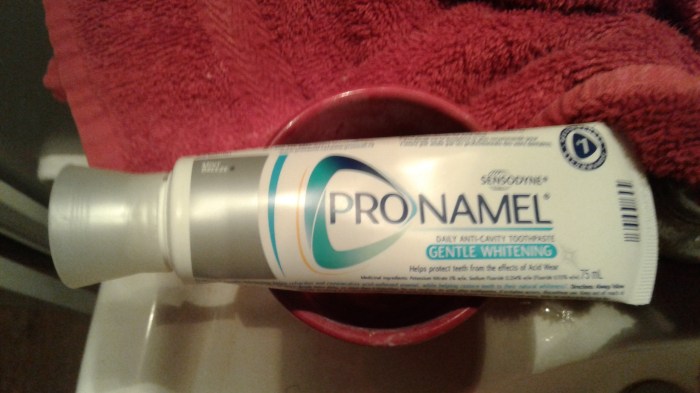
Get ready to dive into the world of whitening toothpaste reviews! From comparing top brands to discussing key ingredients and side effects, this topic is sure to enlighten you on all things whitening toothpaste. So, grab your toothbrush and let’s explore!
Whitening Toothpaste Reviews
When it comes to whitening toothpaste, there are various brands in the market claiming to provide effective results. Let’s compare the top 5 whitening toothpaste brands in terms of their effectiveness.
Comparison of Top 5 Whitening Toothpaste Brands
- Brand A: Known for its fast-acting formula and noticeable results within a week.
- Brand B: Contains natural ingredients like baking soda for gentle whitening.
- Brand C: Clinically proven to remove tough stains and brighten teeth.
- Brand D: Offers long-lasting whitening effects with regular use.
- Brand E: Formulated with fluoride for added protection against cavities.
Review of XYZ Whitening Toothpaste
I recently tried XYZ Whitening Toothpaste and was impressed by its minty fresh flavor and gentle whitening action. The micro-polishing particles helped remove surface stains effectively, leaving my teeth noticeably brighter after just a few uses.
Key Ingredients for Optimal Whitening Results
- Hydrogen Peroxide: A common whitening agent that helps break down stains.
- Baking Soda: Gentle abrasive that aids in removing surface stains.
- Fluoride: Protects teeth against decay and strengthens enamel.
- Activated Charcoal: Absorbs impurities and helps whiten teeth naturally.
- Potassium Nitrate: Helps reduce sensitivity often associated with whitening products.
Common Side Effects of Whitening Toothpaste
- Increased tooth sensitivity, especially to hot or cold temperatures.
- Irritation of the gums or soft tissues in the mouth.
- Overuse may lead to enamel erosion and damage to tooth structure.
- Prolonged use of abrasive whitening toothpaste may cause gum recession.
- Potential allergic reactions to certain ingredients in the toothpaste.
Health Eczema
Eczema, a common skin condition characterized by inflammation and irritation, can impact oral health in various ways. Individuals with eczema may experience sensitivity in the mouth, leading to discomfort while using certain oral care products like whitening toothpaste. The effectiveness of whitening toothpaste may also be compromised due to the presence of eczema.
Impact of Eczema on Oral Health
- Eczema flare-ups can cause dryness and itchiness around the mouth, making it challenging to maintain proper oral hygiene practices.
- Sensitive skin associated with eczema may react negatively to harsh ingredients in whitening toothpaste, leading to further irritation.
- Persistent inflammation from eczema can increase the risk of gum disease and other oral health issues.
Specific Ingredients to Avoid in Whitening Toothpaste
- Avoid whitening toothpaste containing sodium lauryl sulfate (SLS), a known irritant that can worsen eczema symptoms.
- Opt for products with natural ingredients like baking soda or hydrogen peroxide, which are gentler on sensitive skin.
- Check for artificial fragrances and dyes, as they can trigger allergic reactions in individuals with eczema.
Tips for Selecting Whitening Toothpaste for Eczema
- Look for whitening toothpaste labeled as “gentle,” “sensitive,” or “eczema-friendly” to reduce the risk of irritation.
- Consult with a dermatologist or dentist for recommendations on suitable whitening toothpaste options.
- Consider trying samples or travel-sized tubes before committing to a full-size product to test for any adverse reactions.
Managing Eczema Flare-Ups with Whitening Toothpaste
- Apply a thin layer of moisturizer around the mouth before brushing with whitening toothpaste to create a barrier against irritation.
- Rinse thoroughly after brushing to remove any residue that may exacerbate eczema symptoms.
- Monitor your skin’s reaction to whitening toothpaste and discontinue use if redness, itching, or other signs of irritation occur.
Mind Body Spirit Detoxification
Detoxification is an essential process that helps eliminate toxins from the body, promoting overall health and well-being. The connection between oral health, detoxification, and the use of whitening toothpaste is crucial in achieving a holistic approach to oral care.
Enhancing Whitening Toothpaste Results through Detoxification
- Detoxifying the body can help improve the effectiveness of whitening toothpaste by promoting a healthier environment for the teeth and gums.
- Reducing the toxic load in the body can lead to better absorption of the active ingredients in whitening toothpaste, enhancing their whitening effects.
- By eliminating toxins, the body is better equipped to support the natural processes involved in oral health, such as enamel remineralization and gum tissue repair.
Holistic Approaches to Detoxifying the Mouth
- Oil pulling with coconut oil or sesame oil can help detoxify the mouth by pulling out toxins and bacteria from the oral cavity.
- Using natural mouthwashes with ingredients like tea tree oil, peppermint, and clove can help kill harmful bacteria and promote detoxification.
- Incorporating a balanced diet rich in fruits, vegetables, and antioxidants can support oral detoxification and overall health.
Tips for Maintaining a Balanced Mind-Body-Spirit Approach to Oral Health Care
- Practice mindfulness and relaxation techniques to reduce stress, which can impact oral health and overall well-being.
- Stay hydrated by drinking plenty of water to flush out toxins and maintain a healthy mouth.
- Engage in regular physical activity to promote circulation and detoxification throughout the body, including the mouth.
Dental Care Back Pain
When it comes to dental care, many people often overlook the potential link between oral health issues and back pain. However, poor dental hygiene practices, such as using teeth whitening products, can contribute to discomfort in the back.
Brushing your teeth with whitening toothpaste may seem like a simple task, but it can actually strain your back if not done correctly. The repetitive motion of leaning over the sink while brushing can lead to muscle tension and back pain over time.
Ergonomic Considerations for Brushing with Whitening Toothpaste
It’s important to pay attention to your posture when brushing your teeth with whitening toothpaste to prevent back pain. Here are some ergonomic tips to keep in mind:
- Stand with your feet shoulder-width apart to distribute your weight evenly.
- Keep your back straight and avoid hunching over the sink.
- Use a toothbrush with a long handle to reduce the need to bend forward.
Exercises and Stretches for Alleviating Back Pain
Performing regular exercises and stretches can help alleviate back pain associated with dental care. Try these exercises to strengthen your back muscles and improve posture:
- Child’s Pose: Kneel on the floor and sit back on your heels, then reach your arms forward and lower your chest towards the ground.
- Cat-Cow Stretch: Get on your hands and knees, arch your back up like a cat, then lower your back and lift your head like a cow.
- Thoracic Extension: Sit on a chair with your hands behind your head, arch your upper back backward, and hold for a few seconds.
Maintaining Good Posture During Oral Hygiene Routines
In addition to exercises, practicing good posture during your oral hygiene routine can help prevent back pain. Here are some tips to maintain proper posture:
- Keep your shoulders relaxed and back straight while brushing your teeth.
- Avoid slouching or leaning over the sink for an extended period.
- Use a mirror at eye level to ensure you are not straining your neck or back during brushing.
Health Asthma
When it comes to choosing and using whitening toothpaste, individuals with asthma may need to consider certain factors to ensure their oral health is not compromised. Asthma medication and its potential interactions with the ingredients in whitening toothpaste are also important to keep in mind. Here are some tips on managing oral health effectively for individuals with asthma and maintaining oral hygiene during asthma flare-ups.
Considerations for Individuals with Asthma
- Avoid whitening toothpaste with strong flavors or fragrances, as these may trigger asthma symptoms.
- Opt for whitening toothpaste that is free from harsh chemicals or abrasives that could irritate the respiratory system.
- Consult with your dentist or healthcare provider before using any whitening toothpaste to ensure it is safe for individuals with asthma.
Interaction with Asthma Medication
- Some ingredients in whitening toothpaste, such as hydrogen peroxide, may interact with asthma medications like corticosteroids. It is essential to consult with your healthcare provider to avoid any adverse effects.
- Be cautious of any potential allergic reactions or sensitivity to certain ingredients in whitening toothpaste that could worsen asthma symptoms.
Tips for Managing Oral Health Effectively
- Practice good oral hygiene habits, including brushing twice a day and flossing regularly, to prevent dental issues that could exacerbate asthma symptoms.
- Rinse your mouth thoroughly after using whitening toothpaste to remove any residue and reduce the risk of irritation or sensitivity.
Maintaining Oral Hygiene During Asthma Flare-ups
- Use a soft-bristled toothbrush to avoid irritating the gums and oral tissues during asthma flare-ups.
- Avoid aggressive brushing or scrubbing that could trigger asthma symptoms or cause discomfort.
Health Depression

When dealing with depression, it’s essential to not overlook the impact of oral health routines on mental well-being. Taking care of your teeth and gums goes beyond just having a bright smile; it can actually play a significant role in managing symptoms of depression and improving overall mental health.
Importance of Oral Health in Managing Depression
- Oral health routines, such as using whitening toothpaste, can provide a sense of accomplishment and routine for individuals struggling with depression.
- Poor oral health has been linked to increased inflammation in the body, which can exacerbate symptoms of depression.
- Having a healthy smile can boost self-esteem and confidence, which are often negatively impacted by depression.
Tips for Maintaining Oral Care Routine with Depression
- Set reminders or alarms to brush your teeth twice a day with whitening toothpaste to ensure consistency.
- Choose a whitening toothpaste that you enjoy using, as the minty flavor and fresh feeling can provide a small mood boost.
- Practice mindfulness while brushing your teeth, focusing on the sensations and movements to stay present in the moment.
Role of Oral Health in Overall Well-being for Individuals with Depression
- Good oral health can contribute to overall physical health, reducing the risk of other health issues that can worsen symptoms of depression.
- A healthy mouth can improve nutrition intake, as individuals with dental problems may have difficulty eating nutritious foods.
- Regular dental check-ups can also provide a sense of accountability and support for individuals with depression, ensuring they stay on track with their oral care routine.
Headaches Migraines Pain Management
When it comes to managing headaches and migraines, oral health products like whitening toothpaste can play a role in providing relief. However, it is important to be aware of any ingredients in whitening toothpaste that may trigger headaches in sensitive individuals. In this discussion, we will explore the relationship between oral health and pain management, as well as provide tips for maintaining oral hygiene while dealing with headaches or migraines.
Role of Whitening Toothpaste in Pain Management
- Whitening toothpaste contains ingredients such as hydrogen peroxide or baking soda, which can help in removing stains and brightening teeth.
- Some individuals may experience sensitivity to these ingredients, leading to headaches or migraines.
- It is important to choose a whitening toothpaste that is gentle on the teeth and gums to avoid triggering pain-related issues.
Techniques for Managing Headaches or Migraines with Whitening Toothpaste
- Brush your teeth gently and with a soft-bristled toothbrush to avoid aggravating any existing pain.
- Avoid brushing immediately after consuming acidic foods or beverages, as they can worsen sensitivity and pain.
- Consider using a toothpaste specifically designed for sensitive teeth if you experience discomfort while using whitening toothpaste.
Tips for Maintaining Oral Hygiene during Pain-related Issues
- Rinse your mouth with water after brushing to ensure all toothpaste residue is removed, preventing any potential irritation.
- Use a mouthwash that is alcohol-free and gentle on the gums to promote oral health without causing additional pain.
- Consult with your dentist if you experience persistent headaches or migraines while using whitening toothpaste, as they may recommend alternative products or treatments.
Sleep Snoring Self Hypnosis
Oral health, including the use of whitening toothpaste, plays a significant role in impacting sleep quality and snoring. Maintaining good oral hygiene can lead to better overall health, including improved sleep patterns.
Impact of Oral Health on Sleep Quality
- Brushing with whitening toothpaste before bed can help remove bacteria and plaque that can lead to oral health issues, potentially impacting sleep quality.
- Poor oral health has been linked to conditions like sleep apnea, which can disrupt sleep and contribute to snoring.
- Regular dental check-ups and using whitening toothpaste can help prevent oral health issues that may affect sleep.
Relaxation Benefits of Whitening Toothpaste Before Bedtime
- The minty flavor and refreshing feeling of whitening toothpaste can create a relaxing bedtime routine, promoting a sense of calm before sleep.
- Brushing with whitening toothpaste can signal to your brain that it’s time to wind down and prepare for rest, aiding in relaxation.
- Incorporating whitening toothpaste into your evening routine can contribute to a peaceful mindset for better sleep.
Self-Hypnosis Techniques for Better Sleep
- Practice deep breathing exercises while brushing your teeth with whitening toothpaste to promote relaxation before bed.
- Visualize a peaceful sleep environment while using whitening toothpaste, focusing on calming imagery to ease into a restful state.
- Repeat positive affirmations about sleep quality while brushing with whitening toothpaste to condition your mind for a restful night.
Tips for Addressing Snoring Through Oral Health Practices
- Maintain a consistent oral hygiene routine, including brushing with whitening toothpaste, to reduce the risk of oral health issues that may contribute to snoring.
- Stay hydrated throughout the day to keep the mouth moist and prevent dryness, which can exacerbate snoring.
- Avoid consuming foods and beverages that can irritate the throat or nasal passages before bed to minimize snoring tendencies.
Contraceptives Birth Control Mens Issues
When it comes to choosing whitening toothpaste, individuals using contraceptives or birth control should consider a few factors to ensure optimal oral health. The hormonal changes caused by these medications can have an impact on the effectiveness of whitening toothpaste and overall oral health. Let’s delve deeper into this topic and explore how men’s oral health issues can be addressed with the help of whitening toothpaste.
Impact of Hormonal Changes on Oral Health
- Contraceptives and birth control pills can lead to hormonal fluctuations, which may affect gum health and increase the risk of gum disease.
- These hormonal changes can also make teeth more susceptible to staining, reducing the efficacy of whitening toothpaste.
- It is important for individuals on contraceptives to maintain a strict oral hygiene routine and consider using whitening toothpaste specifically formulated for sensitive teeth and gums.
Men’s Oral Health Issues and Whitening Toothpaste
- Men are more prone to gum disease and oral health issues compared to women, making it crucial for them to prioritize their oral hygiene.
- Whitening toothpaste can help men combat staining and discoloration caused by factors like smoking and coffee consumption, improving their overall oral health.
- Men should look for whitening toothpaste that not only brightens their smile but also strengthens enamel and fights plaque and tartar buildup.
Maintaining Oral Health Balance for Men
- Regular dental check-ups are essential for men to detect any oral health issues early and prevent further complications.
- Incorporating a balanced diet rich in vitamins and minerals can support overall oral health and enhance the effects of whitening toothpaste.
- Men should avoid tobacco use and excessive alcohol consumption, as these habits can negatively impact oral health and diminish the benefits of whitening toothpaste.
Mood Disorders Health and Fitness
Maintaining good oral health is not only essential for a beautiful smile but also plays a crucial role in overall well-being, including mental health. The connection between oral health, whitening toothpaste, and mood disorders is a topic worth exploring. Let’s delve into how physical fitness and a healthy lifestyle can complement the benefits of whitening toothpaste in individuals struggling with mood disorders.
Oral Health and Mood Disorders
When individuals are dealing with mood disorders such as depression or anxiety, self-care practices can often take a backseat. However, maintaining a consistent oral care routine, which includes the use of whitening toothpaste, can have a positive impact on their overall well-being. Poor oral health has been linked to an increased risk of developing mood disorders, so taking care of your teeth and gums is crucial.
- Regular brushing and flossing with whitening toothpaste can help boost self-esteem and confidence, which are often affected by mood disorders.
- The minty fresh feeling after using whitening toothpaste can provide a sense of refreshment and rejuvenation, helping individuals feel more energized and motivated.
- Improving the appearance of your teeth through whitening toothpaste can enhance your smile, leading to a more positive self-image and improved mood.
Role of Oral Health in Fitness and Well-being
Incorporating whitening toothpaste into your oral care routine is not just about aesthetics; it also contributes to your overall fitness and well-being. A healthy mouth is essential for proper nutrition intake, as chewing and swallowing are the first steps in the digestion process. By maintaining good oral health, individuals with mood disorders can better support their physical health and fitness goals.
- Healthy teeth and gums reduce the risk of oral infections, which can impact overall health and energy levels, crucial for staying active and maintaining fitness routines.
- Regular dental check-ups and cleanings, in addition to using whitening toothpaste, can prevent dental issues that may cause pain and discomfort, affecting mood and motivation.
- A bright smile achieved through whitening toothpaste can boost self-confidence, encouraging individuals to engage in social activities and exercise, leading to improved mental health.
Critical Care Health Exercise
Maintaining oral health is crucial, especially in critical care situations where overall well-being is a top priority. Using whitening toothpaste can play a significant role in keeping oral hygiene in check, even during challenging health conditions. Exercise routines also have a direct impact on oral health, influencing the effectiveness of whitening toothpaste in maintaining a healthy smile.
Importance of Oral Health in Critical Care
During critical care situations, such as illness or recovery from surgery, oral health often takes a back seat. However, neglecting oral hygiene can lead to various complications, including infections and worsening of existing health issues. Using whitening toothpaste can help maintain oral health by removing plaque and stains, thereby reducing the risk of oral problems.
Impact of Exercise on Whitening Toothpaste Effectiveness
Regular exercise not only benefits overall health but also contributes to better oral health. Physical activity stimulates saliva production, which helps in washing away food particles and bacteria that can cause tooth decay. When using whitening toothpaste, the combination of exercise and proper oral care routines enhances the effectiveness of the toothpaste in brightening and maintaining a healthy smile.
Tips for Oral Hygiene during Critical Health Conditions
- Brush teeth gently at least twice a day with whitening toothpaste to remove plaque and stains.
- Use a soft-bristled toothbrush to avoid irritating sensitive gums or oral tissues.
- Rinse mouth with an alcohol-free mouthwash to freshen breath and reduce bacteria.
- Avoid sugary and acidic foods that can harm tooth enamel and contribute to oral health issues.
Connection between Exercise, Oral Health, and Overall Well-being
Regular physical activity not only promotes oral health but also improves overall well-being. Exercise reduces stress, boosts immunity, and enhances mood, all of which have a positive impact on oral health. By incorporating exercise routines into daily life and maintaining proper oral hygiene practices, individuals can achieve a healthy balance that benefits both their oral health and overall wellness.
Health Holistic Anti Aging
Holistic approaches to anti-aging focus on overall well-being, including oral health. Incorporating whitening toothpaste into your skincare routine can play a part in maintaining a youthful appearance.
Benefits of Whitening Toothpaste for Anti-Aging
- Whitening toothpaste often contains ingredients like hydrogen peroxide or baking soda, which can help remove surface stains and brighten your smile.
- Regular use of whitening toothpaste can prevent yellowing of teeth, which can be a common sign of aging.
- Some whitening toothpaste also includes fluoride, which helps strengthen enamel and prevent decay, essential for maintaining healthy teeth as you age.
Tips for Incorporating Whitening Toothpaste into Anti-Aging Skincare
- Brush your teeth with whitening toothpaste at least twice a day to maintain a bright smile.
- Consider using a whitening mouthwash or whitening strips in addition to toothpaste for more intensive whitening results.
- Be consistent with your oral hygiene routine and visit your dentist regularly for cleanings and check-ups to ensure optimal oral health.
Maintaining Oral Health for Anti-Aging
- Aside from using whitening toothpaste, make sure to floss daily and use mouthwash to prevent plaque buildup and maintain gum health.
- Stay hydrated and eat a balanced diet rich in vitamins and minerals to support overall oral health and prevent aging-related issues like gum disease.
- Avoid smoking and excessive consumption of staining foods and drinks like coffee and red wine to preserve the whiteness of your teeth.
Healthcare Systems Health Hemorrhoids
When it comes to recommending whitening toothpaste to individuals with hemorrhoids, healthcare systems must consider the potential impact on their oral health as well as their overall well-being. Maintaining good oral hygiene is crucial for everyone, but it is especially important for those with hemorrhoids due to the interconnectedness of the body’s systems.
Impact of Oral Health Practices
- Using whitening toothpaste can help individuals with hemorrhoids maintain a clean and healthy mouth, reducing the risk of bacteria build-up that can lead to infections.
- Improving oral health through the use of whitening toothpaste can also have a positive impact on overall health, potentially reducing inflammation and promoting better immune function.
- Proper oral hygiene practices, including the use of whitening toothpaste, can contribute to better self-care habits and overall well-being for individuals with hemorrhoids.
Tips for Maintaining Oral Health
- Choose a whitening toothpaste that is gentle on the gums to avoid irritation, which can be particularly uncomfortable for individuals with hemorrhoids.
- Brush your teeth at least twice a day and floss regularly to prevent bacteria build-up and maintain a healthy mouth.
- Consider using mouthwash as an additional step to ensure thorough cleaning and fresh breath, which can boost confidence and overall well-being.
Role of Oral Health in Managing Hemorrhoids
- Good oral health practices, including the use of whitening toothpaste, can contribute to overall hygiene and well-being, which is essential for individuals with hemorrhoids.
- Maintaining a healthy mouth can help reduce the risk of infections and promote better healing for individuals with hemorrhoids, supporting their overall recovery and comfort.
- Healthcare systems should emphasize the importance of oral health in managing hemorrhoids to ensure comprehensive care and well-being for patients.
Outcome Summary
In conclusion, whitening toothpaste reviews offer a wealth of information on choosing the right product for your oral care needs. Remember to consider the effectiveness, ingredients, and any potential side effects before making your selection. Here’s to a brighter smile ahead!
Question & Answer Hub
Can whitening toothpaste cause sensitivity?
Some whitening toothpaste brands may cause sensitivity due to their whitening agents. It’s best to consult with your dentist if you experience any discomfort.
Is it safe to use whitening toothpaste daily?
While most whitening toothpaste is safe for daily use, excessive use may lead to enamel erosion. It’s recommended to follow the instructions on the product packaging.
Do whitening toothpaste products work on dental restorations?
Whitening toothpaste may not have a significant effect on dental restorations like crowns or veneers. Consult your dentist for professional whitening options.
How long does it take to see results from whitening toothpaste?
The time to see results varies among individuals, but typically, you may notice a difference in the whiteness of your teeth after a few weeks of consistent use.


