Curious about how the birth control pill works? Get ready to uncover the fascinating hormonal mechanism that keeps unwanted pregnancies at bay. From understanding the science to exploring different types available, this topic is about to get interesting!
How does the birth control pill work?
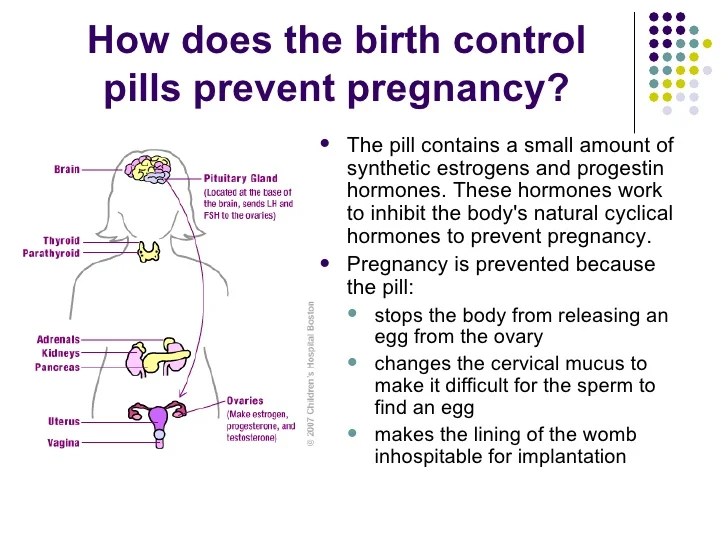
The birth control pill is a hormonal contraceptive method that works by preventing ovulation, fertilization, and implantation of a fertilized egg in the uterus.
Hormonal Mechanism
Birth control pills contain synthetic hormones, usually estrogen and progestin, which prevent the release of an egg from the ovary (ovulation). These hormones also thicken the cervical mucus, making it difficult for sperm to reach the egg, and thin the uterine lining, making it less likely for a fertilized egg to implant.
Preventing Pregnancy
- By suppressing ovulation, birth control pills prevent the monthly release of an egg, reducing the chances of fertilization.
- The thickened cervical mucus acts as a barrier, making it harder for sperm to reach the egg for fertilization.
- Thinning of the uterine lining makes it less hospitable for a fertilized egg to implant and grow, thus preventing pregnancy.
Types of Birth Control Pills
There are two main types of birth control pills: combination pills and progestin-only pills.
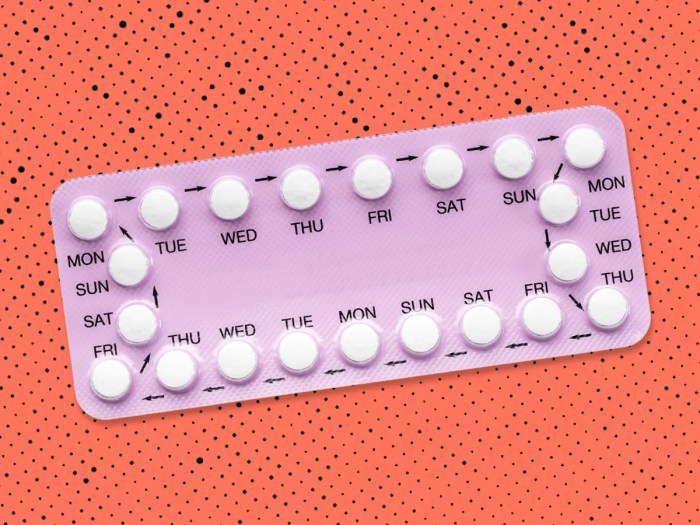
- Combination Pills: These contain both estrogen and progestin hormones and are taken daily for 21 days followed by a 7-day break or placebo pills.
- Progestin-only Pills: Also known as the mini-pill, these only contain progestin and are taken daily without a break.
Health Eczema
Eczema is a common skin condition that causes inflammation, itchiness, and redness. It can affect people of all ages and is often linked to genetic factors and environmental triggers.Eczema is commonly treated with a combination of topical creams, moisturizers, and medications to reduce inflammation and itching. In severe cases, oral medications or phototherapy may be recommended by a healthcare provider.
Causes of Eczema
- Genetic predisposition: Individuals with a family history of eczema are more likely to develop the condition.
- Environmental factors: Allergens, irritants, and changes in temperature or humidity can trigger eczema flare-ups.
- Weakened skin barrier: Eczema is associated with a compromised skin barrier, allowing irritants to penetrate more easily.
Common Treatments for Eczema
- Topical corticosteroids: These anti-inflammatory creams are often prescribed to reduce redness and itching.
- Moisturizers: Keeping the skin well-hydrated can help prevent flare-ups and soothe existing symptoms.
- Antihistamines: These medications can help relieve itching and improve sleep quality for those with eczema.
Effects of Eczema on Skin and Health
Eczema can cause dry, scaly patches on the skin, which may become inflamed, cracked, or blistered. Constant itching can lead to skin infections and disrupt sleep patterns. In severe cases, eczema can have a significant impact on mental health and quality of life.
Mind Body Spirit
When it comes to holistic health, the mind, body, and spirit are interconnected aspects that contribute to overall well-being. It is essential to maintain a balance between these three components to achieve optimal health and harmony.
Practices for Promoting Harmony
- Regular Meditation: Taking time to quiet the mind, focus on breathing, and connect with your inner self can help reduce stress and promote mental clarity.
- Physical Exercise: Engaging in regular physical activity not only benefits the body but also releases endorphins that can improve mood and overall mental well-being.
- Healthy Eating Habits: Nourishing the body with a balanced diet rich in nutrients can support physical health and contribute to mental clarity.
- Spiritual Practices: Engaging in activities that nurture the spirit, such as prayer, mindfulness, or spending time in nature, can promote a sense of inner peace and connection.
Importance of Balance
Maintaining harmony between the mind, body, and spirit is crucial for overall well-being. When one aspect is out of balance, it can negatively impact the others, leading to issues such as stress, anxiety, or physical ailments. By prioritizing practices that promote balance and harmony, individuals can enhance their quality of life and experience a greater sense of wellness.
Detoxification
Detoxification is the process of removing toxins and waste products from the body to promote overall health and well-being. By eliminating harmful substances, the body can function more efficiently and effectively.
Benefits of Detoxification
- Flushes out toxins: Detoxifying the body helps to eliminate harmful substances that can build up over time and impact various bodily functions.
- Boosts energy levels: By removing toxins, the body can operate more efficiently, leading to increased energy levels and improved vitality.
- Supports weight loss: Detoxification can aid in weight loss by eliminating excess waste and promoting a healthier metabolism.
- Improves digestion: Removing toxins can improve digestive health, reducing symptoms such as bloating, gas, and constipation.
- Enhances immune function: Detoxifying the body can strengthen the immune system, making it easier to fight off infections and illnesses.
Methods for Detoxification
- Healthy diet: Eating a diet rich in fruits, vegetables, whole grains, and lean proteins can help support the body’s natural detoxification processes.
- Hydration: Drinking plenty of water helps to flush out toxins and keep the body hydrated, aiding in the detoxification process.
- Exercise: Regular physical activity can help sweat out toxins and promote circulation, supporting the body in detoxifying naturally.
- Supplements: Certain supplements, such as milk thistle, dandelion root, and probiotics, can aid in detoxification and support liver function.
- Detox cleanses: Short-term detox programs or cleanses can help jumpstart the body’s detoxification process and promote overall health.
Role of Detoxification in Better Health
Detoxification plays a vital role in maintaining better health by supporting the body’s natural processes of eliminating toxins and waste products. By incorporating detoxification methods into your routine, you can promote overall well-being, boost energy levels, improve digestion, and enhance immune function.
Dental Care
Good dental care is essential for maintaining overall health. The health of your mouth can impact the health of your entire body, as poor oral hygiene has been linked to various health issues such as heart disease, diabetes, and respiratory infections. Taking care of your teeth and gums is not just about having a bright smile, but also about preventing serious health problems.
Importance of Oral Hygiene
Maintaining good oral hygiene involves daily habits such as brushing your teeth at least twice a day, flossing regularly, and visiting your dentist for routine check-ups. These practices help prevent tooth decay, gum disease, and bad breath. Additionally, a healthy mouth can lower the risk of systemic diseases and improve your overall quality of life.
- Brush your teeth properly: Use a fluoride toothpaste and brush in gentle, circular motions to remove plaque and bacteria.
- Floss daily: Clean between your teeth and along the gumline to remove food particles and prevent plaque buildup.
- Limit sugary foods and drinks: Sugary substances can promote tooth decay and cavities, so it’s important to consume them in moderation.
- Visit your dentist regularly: Professional cleanings and check-ups can help detect any oral health issues early on and prevent them from worsening.
Common Dental Procedures
Dental procedures are aimed at maintaining oral health, restoring damaged teeth, and improving the appearance of your smile. Some common procedures include:
- Fillings: Used to repair cavities and prevent further decay.
- Root canal therapy: Treats infected tooth pulp to save a damaged tooth.
- Extractions: Removes severely damaged or impacted teeth that cannot be saved.
- Dental implants: Replace missing teeth with artificial tooth roots and crowns for improved function and aesthetics.
Back Pain
Back pain is a common issue that can be caused by various factors such as poor posture, muscle strain, injury, or underlying medical conditions. It can range from mild discomfort to severe and debilitating pain, affecting daily activities and overall quality of life.
Causes of Back Pain
- Poor posture
- Muscle strain or tension
- Herniated disc
- Arthritis
- Scoliosis
Treatment Options for Managing Back Pain
- Physical therapy
- Medications (pain relievers, muscle relaxants)
- Injections (steroids, nerve blocks)
- Surgery (for severe cases)
Preventive Measures to Avoid Back Pain
- Maintain good posture
- Exercise regularly to strengthen back muscles
- Use proper lifting techniques
- Avoid sitting for long periods
- Invest in a supportive mattress and ergonomic chair
Health Asthma
Asthma is a chronic respiratory condition that affects the airways, causing them to become inflamed and narrowed, making it difficult to breathe. It is a common condition that can range from mild to severe, with symptoms like wheezing, coughing, chest tightness, and shortness of breath. Understanding the underlying causes and triggers for asthma attacks is essential for effective management.The underlying causes of asthma include genetic predisposition, environmental factors, and respiratory infections during early childhood.
Individuals with a family history of asthma or allergies are at a higher risk of developing the condition. Exposure to allergens like dust mites, pollen, mold, pet dander, and irritants such as tobacco smoke, air pollution, and strong odors can also contribute to the development of asthma.
Common Triggers for Asthma Attacks
- Allergens: Pollen, dust mites, pet dander
- Irritants: Tobacco smoke, air pollution, strong odors
- Respiratory infections: Common cold, flu
- Physical activity: Exercise-induced asthma
- Weather changes: Cold air, humidity
Effective management strategies for asthma focus on controlling symptoms, preventing asthma attacks, and improving overall quality of life. Treatment may include medications like inhalers (bronchodilators, corticosteroids), avoiding triggers, regular monitoring of symptoms, and having an asthma action plan in place. It is essential for individuals with asthma to work closely with healthcare providers to develop a personalized management plan that suits their specific needs and lifestyle.
Health Depression
Depression is a common mental health disorder that can affect a person’s thoughts, feelings, and daily activities. It can manifest through various symptoms, impacting both physical and emotional well-being.
Symptoms of Depression
- Feelings of sadness, hopelessness, or emptiness
- Lack of interest in activities once enjoyed
- Changes in appetite and weight
- Difficulty sleeping or oversleeping
- Fatigue or loss of energy
- Difficulty concentrating or making decisions
- Thoughts of death or suicide
Coping Mechanisms for Dealing with Depression
- Engage in regular physical activity
- Practice relaxation techniques such as deep breathing or meditation
- Maintain a healthy diet and get adequate sleep
- Seek social support from friends and family
- Pursue hobbies or activities that bring joy
- Consider therapy or counseling
When to Seek Professional Help for Depression
- If symptoms persist for more than two weeks
- If thoughts of self-harm or suicide arise
- If depression interferes with daily functioning
- If there is a history of depression or mental health issues
- If coping mechanisms are ineffective
Headaches Migraines
Headaches and migraines are both common conditions that can cause significant discomfort and impact daily activities. While headaches are generally milder and more common, migraines are often more severe and can be debilitating.
The Difference Between Headaches and Migraines
- Headaches are typically characterized by a dull, aching pain that can be felt on both sides of the head. They are usually temporary and can be triggered by stress, lack of sleep, or dehydration.
- Migraines, on the other hand, are more intense and can cause throbbing pain, nausea, and sensitivity to light and sound. Migraines can last for hours or even days and may require medication for relief.
Common Triggers for Headaches and Migraines
- Stress: High levels of stress can trigger both headaches and migraines.
- Diet: Certain foods and drinks, such as caffeine, alcohol, and processed foods, can trigger migraines in some individuals.
- Environmental factors: Strong smells, bright lights, and loud noises can trigger migraines in sensitive individuals.
Effective Remedies for Managing Headaches and Migraines
- Rest and relaxation: Taking time to rest in a quiet, dark room can help alleviate both headaches and migraines.
- Hydration: Drinking plenty of water and staying hydrated can help prevent headaches caused by dehydration.
- Medication: Over-the-counter pain relievers can help alleviate headaches, while prescription medications may be necessary for managing migraines.
Pain Management
Pain management is a crucial aspect of healthcare that aims to alleviate discomfort and improve the quality of life for individuals experiencing pain. There are various approaches to managing pain, including both pharmacological and non-pharmacological methods. It is essential to develop individualized pain management plans to address the specific needs and preferences of each patient.
Non-pharmacological Methods for Pain Relief
- Physical therapy: Involves exercises, stretches, and manual techniques to improve mobility, strength, and function, reducing pain in the process.
- Acupuncture: An alternative therapy that involves inserting thin needles into specific points on the body to alleviate pain and promote healing.
- Mind-body techniques: Practices such as meditation, deep breathing, and mindfulness can help individuals manage pain by reducing stress and promoting relaxation.
- Heat and cold therapy: Applying heat packs or cold packs to the affected area can help reduce inflammation and numb the pain, providing relief.
- TENS therapy: Transcutaneous electrical nerve stimulation involves using a device that delivers electrical impulses to the skin to block pain signals to the brain.
Importance of Individualized Pain Management Plans
Each individual experiences pain differently, and what works for one person may not work for another. Therefore, it is crucial to develop personalized pain management plans that take into account factors such as the type and severity of pain, underlying conditions, lifestyle, and preferences.
Sleep Snoring
Snoring during sleep is a common issue that affects many people around the world. It occurs when the flow of air through the mouth and nose is partially obstructed, leading to vibrations in the throat tissues and the production of sound.
Causes of Snoring
- Nasal congestion or blockage
- Obesity
- Alcohol consumption
- Sleep position (sleeping on your back)
- Age-related muscle weakness in the throat
Impact of Snoring on Overall Health
- Disrupted sleep patterns
- Fatigue and daytime sleepiness
- Increased risk of cardiovascular issues
- Strain on relationships with bed partners
Tips for Reducing Snoring and Improving Sleep Quality
- Maintain a healthy weight through diet and exercise
- Avoid alcohol and sedatives before bedtime
- Sleep on your side instead of your back
- Use nasal strips or a humidifier to clear nasal passages
- Consult a healthcare professional for further evaluation and treatment options
Self Hypnosis
Self-hypnosis is a powerful technique that involves inducing a state of focused attention and heightened suggestibility in oneself. It can be a valuable tool for improving mental health by tapping into the subconscious mind and promoting relaxation and positive thinking.
Benefits of Self-Hypnosis
- Reducing stress and anxiety: Self-hypnosis techniques can help calm the mind and body, leading to a reduction in stress levels and anxiety symptoms.
- Enhancing self-confidence: By engaging in self-hypnosis, individuals can boost their self-esteem and confidence, leading to a more positive self-image.
- Improving sleep quality: Practicing self-hypnosis before bed can promote relaxation and improve sleep quality, helping individuals achieve a restful night’s sleep.
Techniques for Practicing Self-Hypnosis
- Find a quiet and comfortable space where you won’t be disturbed.
- Close your eyes and take slow, deep breaths to relax your body and mind.
- Focus on a positive affirmation or visualization to guide your self-hypnosis session.
- Repeat your chosen affirmation or visualization while in a relaxed state, allowing yourself to fully immerse in the experience.
- Practice self-hypnosis regularly to reap the full benefits and improve your mental well-being.
Contraceptives Birth Control
When it comes to birth control, there are various contraceptive methods available for individuals to choose from. It is essential to understand the different types of contraceptives, their effectiveness, and potential side effects in order to make an informed decision.
Types of Contraceptives
- Birth Control Pills: Oral contraceptives that contain hormones to prevent pregnancy.
- Condoms: Barrier method that prevents sperm from reaching the egg.
- IUD: Small T-shaped device inserted into the uterus to prevent pregnancy.
- Birth Control Patch: Hormonal patch worn on the skin to prevent ovulation.
Effectiveness and Side Effects
It is important to consider the effectiveness and potential side effects of each contraceptive method:
- Birth Control Pills: Highly effective when taken correctly, but may cause side effects such as nausea, weight gain, and mood changes.
- Condoms: Effective in preventing pregnancy and sexually transmitted infections, but may break or slip off.
- IUD: Long-lasting and highly effective, but may cause cramping and irregular periods.
- Birth Control Patch: Convenient and effective, but may cause skin irritation and breast tenderness.
Informed Decision-Making
When choosing a contraceptive method, it is crucial to make an informed decision based on individual preferences, lifestyle, and health considerations:
- Consult healthcare providers for guidance on choosing the right contraceptive method.
- Evaluate the effectiveness, side effects, and convenience of each method.
- Consider personal preferences and comfort level with different contraceptive options.
- Regularly review and reassess contraceptive choices based on changing needs and circumstances.
Mens Issues
Men’s health is an important topic that often gets overlooked. From common health issues to preventive measures, it’s essential for men to prioritize their well-being. By understanding the specific health concerns that affect men and implementing strategies for overall wellness, men can lead healthier and happier lives.
Common Health Issues
- Heart Disease: Men are at a higher risk of heart disease compared to women. Maintaining a healthy diet, regular exercise, and managing stress can help prevent heart-related issues.
- Prostate Health: Prostate cancer is a common concern for men. Regular screenings and a diet rich in fruits, vegetables, and antioxidants can support prostate health.
- Erectile Dysfunction: This is a prevalent issue that can be caused by various factors, including stress, anxiety, and underlying health conditions. Seeking medical advice and exploring treatment options can help address this issue.
- Testicular Health: Testicular cancer is the most common cancer in young men. Performing regular self-exams and seeking medical attention for any abnormalities can aid in early detection and treatment.
Preventive Measures
- Regular Check-ups: Men should schedule routine health check-ups with their healthcare provider to monitor their overall health and address any potential issues early on.
- Healthy Lifestyle: Maintaining a balanced diet, engaging in regular physical activity, and avoiding harmful habits such as smoking and excessive alcohol consumption can contribute to better health outcomes.
- Mental Health Awareness: Men often face stigma when it comes to discussing mental health issues. Seeking support from mental health professionals and practicing self-care strategies can help improve mental well-being.
- Social Connections: Building strong social connections and seeking support from friends and family can have a positive impact on men’s mental and emotional health.
Mood Disorders
Mood disorders are mental health conditions characterized by persistent feelings of sadness, hopelessness, irritability, or extreme highs and lows. These disorders can significantly impact a person’s daily life and overall well-being.
Types of Mood Disorders
- Major Depressive Disorder: Also known as clinical depression, this mood disorder involves persistent feelings of sadness, loss of interest in activities, and difficulty in carrying out daily tasks.
- Bipolar Disorder: Characterized by extreme mood swings, bipolar disorder involves episodes of mania (elevated mood) and depression.
- Anxiety Disorders: While anxiety is primarily characterized by excessive worry and fear, it can also lead to mood disturbances and impact daily functioning.
- Seasonal Affective Disorder (SAD): This type of mood disorder occurs during specific seasons, typically the winter months, and is linked to a lack of sunlight exposure.
Treatment Options for Managing Mood Disorders
- Medication: Antidepressants, mood stabilizers, and anti-anxiety medications are commonly prescribed to manage symptoms of mood disorders.
- Therapy: Cognitive-behavioral therapy (CBT), interpersonal therapy, and other forms of psychotherapy can help individuals cope with and manage their mood disorder.
- Lifestyle Changes: Regular exercise, healthy diet, proper sleep hygiene, and stress management techniques can all contribute to improving mood disorders.
- Support Groups: Connecting with others who are experiencing similar challenges can provide emotional support and a sense of community.
Lifestyle Changes to Improve Mood Disorders
- Regular Exercise: Physical activity releases endorphins, which are known as “feel-good” neurotransmitters that can help improve mood.
- Healthy Diet: Nutrient-rich foods like fruits, vegetables, whole grains, and lean proteins can support overall mental health and well-being.
- Sleep Hygiene: Establishing a consistent sleep routine and ensuring adequate rest can have a positive impact on mood disorders.
- Stress Management: Practicing relaxation techniques, such as deep breathing, meditation, or yoga, can help reduce stress and improve mood.
Health and Fitness
Regular physical activity and a balanced diet are essential components of a healthy lifestyle. Incorporating fitness into your routine not only helps you maintain a healthy weight but also has numerous benefits for your overall well-being.
Importance of Fitness in a Healthy Lifestyle
- Regular exercise helps improve cardiovascular health, strengthen muscles, and increase flexibility.
- Physical activity can reduce the risk of chronic diseases such as heart disease, diabetes, and certain types of cancer.
- Exercise releases endorphins, which can help reduce stress, anxiety, and symptoms of depression.
Tips for Maintaining a Balanced Diet and Exercise Routine
- Include a variety of fruits, vegetables, whole grains, lean proteins, and healthy fats in your diet.
- Set realistic fitness goals and create a workout schedule that you can stick to.
- Find activities that you enjoy, whether it’s running, yoga, swimming, or dancing, to make exercise more enjoyable.
Benefits of Physical Activity on Overall Health
- Regular exercise can boost your immune system, helping you fight off illnesses and infections.
- Physical activity can improve your sleep quality and help you feel more energized throughout the day.
- Exercise promotes mental clarity, focus, and can enhance cognitive function.
Critical Care
Critical care medicine is a specialized field focused on the treatment of patients with life-threatening illnesses or injuries. This area of medicine involves providing intensive care to stabilize patients and help them recover from critical conditions.
Role of Critical Care
- Critical care physicians play a crucial role in managing patients with severe medical conditions, such as heart attacks, strokes, trauma, or respiratory failure.
- These healthcare professionals are trained to provide advanced life support, monitor vital signs, and make critical decisions to ensure the best possible outcomes for patients in critical condition.
- Critical care teams work collaboratively with other specialists, nurses, and healthcare professionals to deliver comprehensive care to critically ill patients.
Challenges and Rewards
- Working in critical care can be emotionally and physically demanding due to the high-stress environment and the need to make quick, life-saving decisions.
- Critical care professionals often face challenging situations where patients’ lives hang in the balance, requiring them to stay focused, calm, and efficient under pressure.
- Despite the challenges, the rewards of working in critical care are immense, as healthcare providers have the opportunity to make a significant impact on patients’ lives and help save lives in critical situations.
Health Exercise
Regular exercise is essential for maintaining overall health and well-being. Not only does it help in managing weight, but it also plays a crucial role in reducing the risk of chronic diseases, improving mood, and boosting energy levels.Exercise can take many forms, including cardiovascular activities like running, swimming, or cycling, strength training with weights or resistance bands, and flexibility exercises like yoga or Pilates.
Each type of exercise offers unique benefits and can be tailored to individual fitness goals.
Benefits of Regular Exercise
- Improves cardiovascular health and reduces the risk of heart disease
- Helps in maintaining a healthy weight and managing obesity
- Boosts mood and reduces symptoms of anxiety and depression
- Increases muscle strength, endurance, and flexibility
- Enhances overall quality of life and longevity
Different Types of Exercises for Fitness Goals
Cardiovascular exercises:
- Running
- Swimming
- Cycling
Strength training exercises:
- Weightlifting
- Resistance training
- Bodyweight exercises
Flexibility exercises:
- Yoga
- Pilates
- Stretching exercises
Impact of Exercise on Physical and Mental Well-being
Exercise not only improves physical health but also has a profound impact on mental well-being. Regular physical activity can reduce stress, improve cognitive function, and enhance sleep quality. Additionally, exercise releases endorphins, which are known as “feel-good” hormones, leading to a positive mood and overall mental wellness.
Health Holistic
Holistic health is a comprehensive approach to overall well-being that considers the interconnectedness of mind, body, and spirit. It emphasizes the importance of treating the whole person, rather than just focusing on specific symptoms or ailments.
Integration of Mind, Body, and Spirit
Holistic practices aim to integrate the physical, mental, emotional, and spiritual aspects of an individual to promote balance and harmony. This approach recognizes that the health of one aspect can impact the others, leading to a more holistic view of wellness.
- Practitioners of holistic health often use a combination of conventional and alternative therapies to address an individual’s needs.
- Examples of holistic therapies include acupuncture, yoga, meditation, massage therapy, herbal medicine, and nutritional counseling.
- These therapies focus on supporting the body’s natural healing processes, reducing stress, improving mental clarity, and promoting overall well-being.
- By addressing the root causes of health issues and considering the whole person, holistic practices can help prevent illness and promote long-term health.
Anti Aging
The process of aging is a natural part of life that affects our bodies in various ways. As we age, our skin loses elasticity, wrinkles form, and our overall health may decline. However, there are ways to slow down the aging process and maintain a youthful appearance and vitality.Anti-aging skincare tips and treatments can help combat the visible signs of aging, such as fine lines, wrinkles, and age spots.
Using products with ingredients like retinol, vitamin C, and hyaluronic acid can help improve skin texture and appearance. Additionally, treatments like chemical peels, microdermabrasion, and laser therapy can rejuvenate the skin and promote collagen production.
Role of Diet in Anti-Aging
- Eating a diet rich in antioxidants, vitamins, and minerals can help protect the skin from damage caused by free radicals, which contribute to aging.
- Consuming foods high in omega-3 fatty acids, such as fish, nuts, and seeds, can help maintain skin elasticity and hydration.
- Drinking plenty of water and limiting consumption of sugary and processed foods can also support overall skin health and slow down the aging process.
Role of Exercise in Anti-Aging
- Regular exercise can improve circulation, promote cell regeneration, and reduce inflammation, all of which can contribute to a more youthful appearance.
- Activities like yoga, Pilates, and weight training can help tone muscles, improve posture, and increase flexibility, which can all help combat the effects of aging.
- Cardiovascular exercise, such as running or cycling, can boost heart health, increase endurance, and promote overall vitality, helping you look and feel younger.
Role of Lifestyle in Anti-Aging
- Avoiding smoking and excessive sun exposure can prevent premature aging and reduce the risk of skin cancer.
- Getting an adequate amount of sleep each night can promote cell repair and regeneration, helping you wake up with a refreshed and youthful complexion.
- Managing stress through techniques like meditation, deep breathing, and mindfulness can lower cortisol levels, which can contribute to skin aging and other health issues.
Healthcare Systems
Healthcare systems play a crucial role in providing access to medical services and ensuring the well-being of populations around the world. Let’s explore the different healthcare systems, their challenges, strengths, and impact on population health.
Comparison of Healthcare Systems
- The United States: Known for its privatized system with insurance-based coverage, which can lead to high costs for patients.
- United Kingdom: Operates under the National Health Service (NHS) providing universal healthcare coverage funded by taxpayers.
- Germany: Utilizes a social health insurance model where citizens contribute based on income, ensuring access to quality care for all.
Challenges and Strengths
- Challenges: Healthcare disparities, rising costs, shortage of healthcare professionals, and access issues for marginalized populations.
- Strengths: Universal access to care, preventive services, technological advancements, and research innovation.
Impact of Healthcare Systems on Population Health
- Health Outcomes: Healthcare systems influence life expectancy, disease prevalence, and quality of life for individuals within a population.
- Public Health Initiatives: Systems play a role in promoting vaccination programs, disease prevention, and health education to improve overall well-being.
- Economic Factors: Healthcare systems can impact a country’s economy through healthcare spending, workforce productivity, and overall public health expenditures.
Health Hemorrhoids
Hemorrhoids are swollen blood vessels in the rectum or anus that can cause discomfort and pain. They can be internal or external and are often caused by straining during bowel movements, chronic constipation, or pregnancy. Symptoms may include itching, pain, and bleeding during bowel movements.
Causes and Symptoms of Hemorrhoids
- Causes: Hemorrhoids can be caused by straining during bowel movements, chronic constipation, or pregnancy.
- Symptoms: Symptoms may include itching, pain, and bleeding during bowel movements.
Treatment Options for Hemorrhoids
- Over-the-counter creams or ointments to reduce itching and inflammation.
- Sitz baths to soothe the affected area.
- In severe cases, procedures like rubber band ligation or surgical removal may be necessary.
Preventive Measures for Hemorrhoids
- Eat a high-fiber diet to prevent constipation.
- Stay hydrated to ensure smooth bowel movements.
- Avoid straining during bowel movements.
Final Conclusion
In a nutshell, we’ve dived deep into how the birth control pill operates, shedding light on its hormonal magic and preventive powers. Remember, knowledge is power when it comes to making informed decisions about your reproductive health!
User Queries
How does the birth control pill actually prevent pregnancy?
The pill works by suppressing ovulation, thickening cervical mucus, and thinning the uterine lining, making it difficult for sperm to reach the egg or for a fertilized egg to implant.
Are there different types of birth control pills available?
Yes, there are combination pills containing estrogen and progestin, as well as progestin-only pills. Each type may have varying hormone levels and dosing schedules.
What are the side effects of birth control pills?
Common side effects include nausea, headaches, breast tenderness, and changes in menstrual bleeding patterns. It’s important to discuss any concerns with your healthcare provider.


