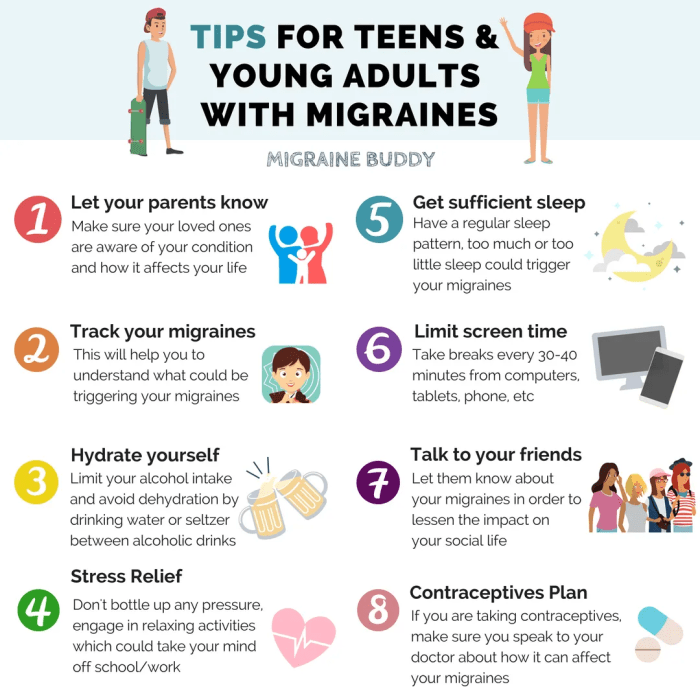
Are you tired of constantly battling migraines? Well, fret no more because we are here to equip you with the ultimate arsenal of migraine prevention tips!
From lifestyle changes to dietary modifications, stress management techniques to the importance of regular sleep patterns, we’ve got you covered on all fronts to keep those pesky headaches at bay.
Migraine Prevention Tips

Preventing migraines involves making effective lifestyle changes, including dietary modifications, stress management techniques, and maintaining regular sleep patterns.
Effective Lifestyle Changes
- Avoid triggers such as certain foods, strong smells, or bright lights.
- Stay hydrated and maintain a consistent meal schedule.
- Engage in regular physical activity to reduce stress and tension.
Dietary Modifications
Some dietary changes that can help reduce migraine occurrences include:
- Avoiding processed foods and artificial additives.
- Incorporating magnesium-rich foods like nuts, seeds, and leafy greens.
- Limiting caffeine and alcohol consumption.
Stress Management Techniques
Managing stress is crucial in preventing migraines. Some techniques to try include:
- Practicing relaxation techniques like deep breathing or meditation.
- Engaging in regular exercise to reduce stress levels.
- Scheduling time for hobbies and activities that bring joy and relaxation.
Importance of Regular Sleep Patterns
Consistent sleep patterns play a significant role in migraine prevention. Tips for better sleep include:
- Establishing a bedtime routine and sticking to it.
- Avoiding screen time before bed to promote better sleep quality.
- Creating a comfortable sleep environment with minimal distractions.
Health Eczema
Eczema, also known as atopic dermatitis, is a chronic skin condition that can have a significant impact on overall health and well-being. It is characterized by red, inflamed, and itchy skin that can be both physically uncomfortable and emotionally distressing.
Common Triggers for Eczema Flare-ups
- Environmental factors such as allergens, irritants, and extreme temperatures
- Stress and emotional distress
- Poor diet and food allergies
- Skin dryness and irritation
Treatment Options for Managing Eczema Symptoms
- Topical corticosteroids to reduce inflammation and itching
- Moisturizers to keep the skin hydrated and prevent flare-ups
- Antihistamines to alleviate itching and discomfort
- Immunomodulators for severe cases to control the immune response
Importance of Skincare Routines in Managing Eczema
A consistent skincare routine is essential for managing eczema symptoms and preventing flare-ups. This includes:
- Gentle cleansing with mild, fragrance-free products
- Regular moisturizing to keep the skin hydrated
- Avoiding harsh chemicals, fragrances, and rough fabrics that can irritate the skin
- Protecting the skin from extreme temperatures and environmental triggers
Mind Body Spirit
The mind-body-spirit connection is a fundamental aspect of overall well-being. When we focus on balancing our mental health, physical health, and spiritual health, we can experience greater harmony and vitality in our lives.
Holistic Approaches to Wellness
- Practicing mindfulness and meditation can help reduce stress and improve mental clarity.
- Engaging in regular physical activity, such as yoga or tai chi, can enhance physical strength and flexibility while also promoting mental well-being.
- Eating a balanced diet rich in nutrients and staying hydrated can support overall health and vitality.
Role of Spirituality in Healing
- Connecting with your spiritual beliefs and practices can provide a sense of purpose and meaning, contributing to emotional well-being.
- Engaging in practices like prayer, meditation, or spending time in nature can promote a sense of inner peace and calm.
- Seeking support from a spiritual community or mentor can provide guidance and comfort during challenging times.
Detoxification
Detoxification is a process that helps the body get rid of toxins and impurities, promoting overall health and well-being. By cleansing the body, you can improve digestion, boost energy levels, and support the immune system.
Benefits of Detoxifying the Body
- Eliminates toxins and waste products from the body.
- Supports liver function and enhances nutrient absorption.
- May improve skin health and reduce inflammation.
- Boosts energy levels and promotes mental clarity.
Methods of Detoxification
- Juice Cleanses: Consuming fresh fruit and vegetable juices to flush out toxins.
- Fasting: Temporarily abstaining from food to give the digestive system a break.
- Hydration: Drinking plenty of water to help eliminate toxins through urine and sweat.
Tips for Safe Detoxification
- Consult a healthcare professional before starting any detox program.
- Avoid extreme detox methods that could be harmful to your health.
- Gradually introduce detox practices into your routine to allow your body to adjust.
- Listen to your body and stop detoxification if you experience adverse effects.
Importance of Staying Hydrated During a Detox
- Water helps flush out toxins and waste from the body.
- Proper hydration supports kidney function and aids in digestion.
- Drinking enough water can prevent dehydration and help maintain energy levels.
Dental Care
Maintaining good oral hygiene is crucial for overall health as it not only helps in preventing dental problems but also contributes to systemic health. Good dental care habits can go a long way in promoting overall well-being. Let’s explore some tips and insights on dental care.
Importance of Oral Hygiene
Proper oral hygiene is essential for preventing issues like cavities, gum disease, and bad breath. It also plays a significant role in maintaining overall health by reducing the risk of systemic diseases such as heart disease and diabetes.
Tips for Good Dental Care
- Brush your teeth at least twice a day with fluoride toothpaste.
- Floss daily to remove plaque and food particles between teeth.
- Visit your dentist regularly for check-ups and professional cleanings.
- Avoid sugary and acidic foods and drinks that can contribute to tooth decay.
- Consider using mouthwash to help kill bacteria and freshen breath.
Common Dental Problems and Prevention
- Tooth Decay: Caused by plaque buildup, can be prevented by brushing, flossing, and regular dental visits.
- Gum Disease: Gingivitis and periodontitis can be prevented by proper oral hygiene practices and professional cleanings.
- Bad Breath: Often a result of poor oral hygiene, can be prevented by brushing, flossing, and using mouthwash.
Connection Between Dental Health and Systemic Health
Research has shown a clear link between oral health and systemic health. Poor dental hygiene has been associated with various health conditions, including cardiovascular disease, diabetes, and respiratory infections. By taking care of your oral health, you are also taking steps to protect your overall well-being.
Back Pain
Back pain is a common issue that can greatly affect daily life. It can be caused by a variety of factors, including poor posture, muscle strain, injury, or underlying health conditions. In order to alleviate back pain and prevent future episodes, it is important to understand the root causes and make necessary lifestyle changes.
Common Causes of Back Pain
- Poor posture while sitting or standing for extended periods
- Improper lifting techniques that strain the back muscles
- Sedentary lifestyle leading to weakened core muscles
- Obesity or excess weight putting pressure on the spine
Exercises and Stretches to Alleviate Back Pain
- Cat-Cow Stretch: Helps to increase flexibility and relieve tension in the spine
- Bird Dog Exercise: Strengthens core muscles and improves stability
- Child’s Pose: Stretches the lower back and promotes relaxation
- Bridge Exercise: Targets the glutes and lower back muscles
Lifestyle Changes for Back Pain Prevention
- Maintain a healthy weight through diet and regular exercise
- Practice proper lifting techniques to avoid strain on the back
- Incorporate regular physical activity to strengthen core muscles
- Invest in ergonomic furniture and support for good posture
Importance of Good Posture for Back Health
Maintaining good posture is crucial for preventing back pain and promoting overall spinal health. Proper alignment reduces strain on the muscles and ligaments supporting the spine, decreasing the risk of injury and discomfort. By being mindful of posture throughout the day, individuals can significantly reduce the incidence of back pain and improve their quality of life.
Health Asthma
Asthma is a chronic respiratory condition that affects the airways in the lungs, causing them to become inflamed and narrow. This can lead to symptoms such as difficulty breathing, wheezing, coughing, and chest tightness. Asthma attacks can range from mild to severe, and in some cases, can be life-threatening.
Common Triggers for Asthma Attacks
- Air pollutants such as smoke, pollen, and dust
- Respiratory infections like colds and flu
- Exposure to allergens like pet dander, mold, and cockroach droppings
- Physical activity or exercise
- Changes in weather or temperature
Tips for Managing Asthma Symptoms and Preventing Attacks
- Take your prescribed medications regularly as directed by your healthcare provider
- Avoid exposure to known triggers and allergens
- Use a peak flow meter to monitor your lung function
- Follow an asthma action plan provided by your doctor
- Stay physically active and maintain a healthy weight
Importance of Having an Asthma Action Plan
An asthma action plan is a personalized guide created by your healthcare provider that Artikels how to manage your asthma on a daily basis and what steps to take during an asthma attack. It includes information on your medications, triggers to avoid, and when to seek emergency medical help. Having an asthma action plan can help you better control your symptoms, reduce the risk of severe attacks, and improve your quality of life.
Health Depression
Depression is a common mental health disorder that can have a significant impact on a person’s daily life. It is characterized by feelings of sadness, hopelessness, and a loss of interest in activities that were once enjoyable. The effects of depression can be far-reaching, affecting relationships, work, and overall well-being.
Symptoms and Effects of Depression
- Persistent feelings of sadness or emptiness
- Lack of energy and motivation
- Changes in appetite or weight
- Difficulty concentrating or making decisions
- Sleep disturbances
Treatment Options for Depression
- Therapy: Cognitive-behavioral therapy (CBT) and interpersonal therapy can be effective in treating depression.
- Medication: Antidepressants may be prescribed by a healthcare provider to help manage symptoms.
- Exercise: Regular physical activity has been shown to improve mood and reduce symptoms of depression.
- Mindfulness and meditation: Practices that focus on being present in the moment can help reduce stress and improve mental well-being.
Self-Care Tips for Managing Depression
- Establish a routine: Creating a daily schedule can provide structure and stability.
- Stay connected: Maintain relationships with friends and family for emotional support.
- Practice self-compassion: Be kind to yourself and practice self-care activities that bring you joy.
- Engage in hobbies: Pursue activities that you enjoy and that give you a sense of accomplishment.
Importance of Seeking Professional Help for Depression
- Professional help can provide a proper diagnosis and personalized treatment plan.
- Therapists and psychiatrists can offer support and guidance in managing symptoms.
- Early intervention can prevent symptoms from worsening and improve overall quality of life.
Headaches Migraines
Headaches and migraines are often used interchangeably, but they are actually different conditions. While headaches are characterized by a dull, constant pain in the head, migraines are more intense and typically include symptoms like nausea, sensitivity to light and sound, and throbbing pain on one side of the head.
Differentiate between headaches and migraines
- Headaches: Mild to moderate pain, usually on both sides of the head.
- Migraines: Severe pain, often on one side of the head, accompanied by other symptoms like nausea and sensitivity to light and sound.
Common triggers for migraines
- Stress
- Hormonal changes
- Weather changes
- Certain foods and drinks
Lifestyle changes that can help prevent migraines
- Establishing a regular sleep schedule
- Staying hydrated
- Managing stress through relaxation techniques
- Regular exercise
Role of medication in managing migraines
- Over-the-counter pain medications like ibuprofen or acetaminophen
- Prescription medications specifically designed to prevent or treat migraines
- Botulinum toxin injections for chronic migraines
Pain Management
Managing chronic pain is crucial for improving quality of life and overall well-being. There are various methods available for pain management, including both pharmacological and non-pharmacological approaches. It is important to create individualized pain management plans tailored to each person’s specific needs and preferences. Understanding the risks and benefits of different pain medications is essential for making informed decisions.
Non-pharmacological Approaches to Pain Management
- Physical therapy: Engaging in exercises and stretches to improve flexibility and strengthen muscles can help reduce pain.
- Acupuncture: This traditional Chinese medicine practice involves inserting thin needles into specific points on the body to alleviate pain.
- Mind-body techniques: Practices such as meditation, deep breathing, and guided imagery can help manage pain by promoting relaxation and reducing stress.
- Diet and nutrition: Consuming a healthy, balanced diet can help reduce inflammation and improve overall health, which may alleviate pain symptoms.
Importance of Individualized Pain Management Plans
- Every individual experiences pain differently, so personalized treatment plans are essential for addressing specific needs and concerns.
- Taking into account factors such as medical history, lifestyle, and preferences can help healthcare providers develop effective pain management strategies.
- Individualized plans can help optimize treatment outcomes and minimize the risk of adverse effects associated with pain management interventions.
Risks and Benefits of Pain Medications
- Benefits: Pain medications can provide relief from discomfort, improve function, and enhance quality of life for individuals experiencing chronic pain.
- Risks: Common risks associated with pain medications include side effects such as nausea, dizziness, constipation, and the potential for dependency or addiction.
- It is important to weigh the benefits against the risks and work closely with healthcare providers to find the most suitable medication and dosage for effective pain management.
Sleep Snoring
Snoring can significantly impact the quality of sleep, not only for the person snoring but also for their bed partner. It can lead to fragmented sleep, decreased oxygen levels, and even sleep apnea if left untreated.
Common Causes of Snoring
- Nasal congestion or blockage
- Obesity
- Alcohol consumption
- Smoking
- Sleep position
Tips for Reducing Snoring and Improving Sleep Quality
- Maintain a healthy weight through diet and exercise
- Practice good sleep hygiene, such as establishing a regular sleep schedule
- Avoid alcohol and sedatives before bedtime
- Sleep on your side instead of your back
- Use nasal strips or a humidifier to help with nasal congestion
Health Risks Associated with Chronic Snoring
Chronic snoring can lead to more serious health issues if left untreated, including:
- Increased risk of cardiovascular disease
- Daytime fatigue and decreased cognitive function
- Strain on relationships due to disrupted sleep patterns
- Higher risk of developing sleep apnea
Self Hypnosis
Self-hypnosis is a technique that allows individuals to harness the power of their subconscious mind to bring about positive changes in their lives. It involves entering a state of deep relaxation where the mind is more open to suggestion. This practice has been found to be effective in reducing stress, anxiety, and even managing pain.
Benefits of Self-Hypnosis
- Improved relaxation and stress relief: By accessing the subconscious mind, self-hypnosis can help individuals achieve a state of deep relaxation, reducing stress levels and promoting overall well-being.
- Enhanced focus and concentration: Practicing self-hypnosis regularly can improve concentration and focus, allowing individuals to better tackle tasks and challenges.
- Positive behavior change: Self-hypnosis can help individuals break negative habits or patterns and adopt healthier behaviors.
Techniques for Practicing Self-Hypnosis
- Find a quiet and comfortable space where you won’t be disturbed.
- Close your eyes and take slow, deep breaths to relax your body and mind.
- Visualize a peaceful scene or repeat a positive affirmation to yourself.
- Focus on relaxing different parts of your body, starting from your toes and working your way up to your head.
- Practice regularly to enhance the effectiveness of self-hypnosis.
Applications of Self-Hypnosis in Healthcare
Self-hypnosis has been increasingly used in healthcare settings to complement traditional treatments and improve patient outcomes. It has been found to be effective in managing chronic pain, reducing anxiety before medical procedures, and even aiding in weight loss efforts. Healthcare professionals are recognizing the value of incorporating self-hypnosis techniques into patient care plans to promote overall well-being and recovery.
Contraceptives Birth Control
When it comes to family planning, contraceptives and birth control methods play a crucial role in preventing unintended pregnancies. It is essential to understand the different options available and how they work to make an informed decision.Contraceptives work by either preventing sperm from reaching the egg, inhibiting ovulation, or altering the lining of the uterus to prevent implantation. Each method has its own benefits and risks, so it’s important to consult with a healthcare provider to determine the best option for your individual needs.
Types of Contraceptives
- Birth Control Pills: Oral contraceptives taken daily to prevent pregnancy.
- Condoms: Barrier method that prevents sperm from reaching the egg.
- IUD: Intrauterine device inserted into the uterus to prevent pregnancy.
- Implants: Small rod inserted under the skin that releases hormones to prevent ovulation.
- Depo-Provera: Injectable contraceptive that lasts for three months.
Benefits and Risks
- Benefits: Prevents unintended pregnancies, regulates menstrual cycles, reduces menstrual cramps.
- Risks: Side effects like weight gain, mood changes, increased risk of blood clots.
Informed Decision-Making
- Consider your lifestyle, medical history, and future family planning goals when choosing a contraceptive.
- Consult with a healthcare provider to discuss the advantages and disadvantages of each method.
- Be proactive in your reproductive health by staying informed and regularly evaluating your contraceptive needs.
Mens Issues
Men’s health is an important topic that often does not receive the attention it deserves. From physical to mental health, there are several common issues that affect men that need to be addressed. Regular health check-ups play a crucial role in maintaining overall well-being and catching any potential issues early on. Let’s explore some tips for men to stay healthy and the impact of societal expectations on their health.
Common Health Issues in Men
- Heart disease: Men are more likely to develop heart-related issues compared to women. Maintaining a healthy diet, regular exercise, and managing stress can help prevent heart disease.
- Prostate health: Prostate cancer is a common concern for men. Regular screenings and discussing any symptoms with a healthcare provider are essential for early detection and treatment.
- Mental health: Men often face societal pressure to appear strong and stoic, which can impact their mental well-being. It’s important for men to prioritize their mental health and seek help when needed.
Importance of Regular Health Check-ups
- Regular health check-ups can help detect any underlying health issues early on, increasing the chances of successful treatment.
- Men should schedule routine screenings for conditions like high blood pressure, cholesterol levels, diabetes, and prostate cancer.
- Open communication with healthcare providers during check-ups can lead to better health outcomes and a proactive approach to overall well-being.
Maintaining Good Physical and Mental Health
- Exercise regularly, eat a balanced diet, get enough sleep, and manage stress to maintain physical health.
- Practice mindfulness, seek therapy if needed, and prioritize self-care to support mental well-being.
- Engage in hobbies, spend time with loved ones, and seek social support to foster emotional wellness.
Impact of Societal Expectations on Men’s Health
- Societal expectations of masculinity can lead men to suppress emotions, avoid seeking help for mental health issues, and engage in risky behaviors to prove their toughness.
- Breaking free from stereotypes and seeking support when needed can lead to better mental health outcomes and overall well-being.
- Educating society about the importance of destigmatizing mental health discussions for men can help create a healthier environment for all individuals.
Mood Disorders
Mood disorders are a group of conditions that affect a person’s emotional state, leading to disruptions in daily life. Two common types of mood disorders are depression and bipolar disorder.
Types of Mood Disorders
- Depression: Characterized by feelings of sadness, hopelessness, and loss of interest in activities once enjoyed. It can impact sleep, appetite, and overall energy levels.
- Bipolar Disorder: Involves alternating periods of depression and mania. Manic episodes may include elevated mood, increased energy, and impulsive behavior.
Common Symptoms of Mood Disorders
- Persistent feelings of sadness or emptiness
- Changes in appetite or weight
- Difficulty concentrating
- Loss of interest in activities
- Extreme mood swings
Treatment Options for Managing Mood Disorders
- Therapy: Cognitive-behavioral therapy (CBT) and interpersonal therapy can be effective in treating mood disorders.
- Medication: Antidepressants, mood stabilizers, and antipsychotic medications may be prescribed by a healthcare provider.
- Lifestyle Changes: Regular exercise, healthy diet, and adequate sleep can help in managing mood disorders.
Importance of Social Support in Coping with Mood Disorders
Social support plays a crucial role in coping with mood disorders. It provides a sense of belonging, reduces feelings of isolation, and offers emotional validation. Connecting with friends, family, or support groups can help individuals navigate their struggles and find comfort during challenging times.
Health and Fitness
Regular exercise is essential for maintaining overall health and well-being. It not only helps in improving physical fitness but also has numerous benefits for mental health. Incorporating physical activity into your daily routine can significantly boost your energy levels, improve your mood, and reduce the risk of chronic diseases.
The Benefits of Regular Exercise
- Enhances cardiovascular health
- Boosts metabolism and aids in weight management
- Strengthens muscles and improves flexibility
- Reduces the risk of chronic diseases such as diabetes, heart disease, and certain cancers
- Improves mental health by reducing stress and anxiety
Tips for Incorporating Physical Activity
- Start with small, achievable goals and gradually increase the intensity
- Find activities that you enjoy to make exercise more sustainable
- Schedule workouts into your daily routine to make them a priority
- Include a mix of cardiovascular, strength training, and flexibility exercises for overall fitness
The Importance of Balanced Nutrition
- Eat a variety of nutrient-dense foods to fuel your body for exercise
- Stay hydrated and consume enough protein for muscle recovery
- Avoid processed foods and sugary drinks that can hinder your fitness goals
- Listen to your body’s hunger and fullness cues to maintain a healthy relationship with food
Rest and Recovery in a Fitness Routine
- Allow your body time to rest and recover after intense workouts to prevent burnout and injuries
- Get an adequate amount of sleep to support muscle repair and overall well-being
- Incorporate active recovery days with gentle exercises like yoga or walking to promote circulation and flexibility
- Listen to your body and adjust your workout intensity based on how you feel
Critical Care
Critical care in the healthcare setting involves the specialized treatment of patients who are severely ill or injured and require intensive medical attention to stabilize their condition and prevent further complications. This level of care is provided in dedicated units equipped with advanced medical technology and staffed by highly trained healthcare professionals.
Role of Critical Care Teams
Critical care teams play a crucial role in managing and monitoring the condition of critically ill patients. These multidisciplinary teams typically include intensivists, critical care nurses, respiratory therapists, pharmacists, and other healthcare providers who work together to provide comprehensive care. They closely monitor vital signs, administer medications, perform procedures, and coordinate treatment plans to ensure the best possible outcomes for patients.
Common Critical Care Procedures and Interventions
Mechanical ventilation
Providing artificial respiratory support to patients who are unable to breathe on their own.
Hemodynamic monitoring
Monitoring blood pressure, heart rate, and other vital signs to assess the patient’s cardiovascular function.
Invasive procedures
Performing interventions such as central line placement, chest tube insertion, and tracheostomy to manage critical conditions.
Continuous renal replacement therapy
Providing dialysis for patients with acute kidney injury or renal failure.
Advanced life support
Administering medications and interventions to stabilize patients in cardiac arrest or other life-threatening situations.
Challenges and Rewards of Working in Critical Care
Working in critical care can be emotionally and physically demanding due to the high-stress environment and the complexity of treating severely ill patients. Healthcare providers in critical care units often face challenging situations that require quick thinking, teamwork, and effective communication. However, the rewards of working in critical care include the opportunity to make a significant impact on patients’ lives, develop specialized skills, and be part of a dedicated team that saves lives on a daily basis.
Health Exercise
Regular exercise is vital for overall health and well-being. It not only helps in maintaining a healthy weight but also improves cardiovascular health, boosts mood, and reduces the risk of chronic diseases. Let’s explore the benefits of different types of exercise and how to create a personalized routine to stay fit and active.
Cardiovascular Exercise
- Cardio exercises, such as running, swimming, or cycling, help improve heart health and increase endurance.
- Aim for at least 150 minutes of moderate-intensity cardio each week to reap the full benefits.
- Incorporating high-intensity interval training (HIIT) can also be beneficial for burning calories and improving cardiovascular fitness.
Strength Training
- Strength training, including weightlifting and bodyweight exercises, helps build muscle mass, increase metabolism, and improve bone density.
- Focus on working different muscle groups with exercises like squats, lunges, push-ups, and deadlifts.
- Include strength training exercises at least 2-3 times a week for optimal results.
Creating a Personalized Routine
- Consider your fitness goals, schedule, and preferences when designing an exercise plan.
- Include a mix of cardio, strength training, flexibility, and balance exercises for a well-rounded routine.
- Start slow and gradually increase the intensity and duration of your workouts to avoid burnout or injury.
Importance of Warm-Up and Cool Down
- Always warm up with dynamic stretches or light cardio to prepare your muscles and joints for the workout.
- Cool down with static stretching to help reduce muscle soreness and improve flexibility.
- Skipping warm-up or cool down increases the risk of injury, so make sure to allocate time for both in your routine.
Preventing Injuries
- Listen to your body and avoid pushing yourself too hard, especially if you’re just starting an exercise program.
- Use proper form and technique to prevent strain on muscles and joints.
- Wear appropriate footwear and gear for different types of workouts to reduce the risk of accidents.
Health Holistic
Holistic health focuses on treating the whole person, considering the interconnectedness of the mind, body, and spirit. It emphasizes the importance of balance and harmony in achieving overall wellness.
Principles of Holistic Health
- Holistic health considers the physical, mental, emotional, and spiritual aspects of an individual.
- It aims to identify and address the root causes of illnesses rather than just treating symptoms.
- Prevention is key in holistic health, focusing on lifestyle changes, nutrition, and stress management.
- Holistic practitioners often use a combination of conventional and alternative therapies to promote healing.
Interconnectedness of Mind, Body, and Spirit
- The mind, body, and spirit are interconnected and influence each other’s health and well-being.
- Emotional stress can manifest as physical symptoms, and vice versa, highlighting the importance of addressing all aspects of health.
- Practices like meditation, yoga, and mindfulness help promote harmony between the mind, body, and spirit.
- Supporting mental and emotional health is equally important as physical health in holistic wellness.
Holistic Approaches to Treatment and Prevention
- Acupuncture, herbal medicine, chiropractic care, and massage therapy are common holistic treatments for various conditions.
- Dietary changes, exercise, and stress reduction techniques are essential in preventing illnesses holistically.
- Using natural remedies, such as essential oils and supplements, can support the body’s healing processes.
- Holistic health encourages self-care practices and listening to the body’s signals for optimal well-being.
Importance of Balance and Harmony
- Balance and harmony in all aspects of life contribute to overall health and wellness.
- Creating a supportive environment, nurturing relationships, and practicing self-love are crucial in holistic health.
- Recognizing the mind-body connection and cultivating a positive mindset are essential for maintaining balance.
- Holistic health emphasizes the importance of alignment with nature and the universe for optimal well-being.
Anti Aging
As we age, our skin naturally undergoes changes that can lead to visible signs of aging. Factors such as genetics, lifestyle choices, and environmental exposure all play a role in how quickly these changes occur. However, there are steps we can take to slow down the aging process and maintain youthful-looking skin.
Common Signs of Aging and Their Causes
- Wrinkles and fine lines: Caused by a decrease in collagen and elastin production, as well as repetitive facial expressions and sun exposure.
- Age spots and hyperpigmentation: Result from UV damage and an increase in melanin production.
- Loss of firmness and elasticity: Due to a decrease in skin’s natural oils and moisture, as well as a decline in muscle tone.
- Thinning of the skin: Caused by a decrease in cell turnover rate and collagen production.
Tips for Healthy Aging and Maintaining Youthful Skin
- Protect your skin from UV rays by wearing sunscreen daily.
- Stay hydrated and maintain a balanced diet rich in antioxidants and essential nutrients.
- Avoid smoking and excessive alcohol consumption, as they can accelerate the aging process.
- Establish a consistent skincare routine with products that promote collagen production and skin hydration.
Role of Diet and Lifestyle in Anti-Aging Practices
- Eat a diet high in fruits, vegetables, whole grains, and lean proteins to provide essential nutrients for skin health.
- Stay physically active to improve circulation and maintain muscle tone, which can help prevent sagging skin.
- Get an adequate amount of sleep each night to allow your body to repair and regenerate skin cells.
Different Anti-Aging Skincare Products and Treatments
- Retinoids: Help stimulate collagen production and improve skin texture.
- Vitamin C serums: Provide antioxidant protection and brighten the skin tone.
- Peptides: Help reduce the appearance of wrinkles and promote skin firmness.
- In-office treatments like chemical peels, microdermabrasion, and laser therapy can target specific signs of aging for more dramatic results.
Healthcare Systems
Healthcare systems play a crucial role in providing care to individuals and communities, ensuring access to essential medical services. These systems encompass a wide range of healthcare providers, facilities, and resources aimed at promoting overall well-being and treating illnesses.
Challenges and Opportunities in Healthcare Systems Worldwide
One of the major challenges in healthcare systems worldwide is the disparity in access to quality care, with marginalized populations often facing barriers to essential services. However, advancements in technology and telehealth have opened up new opportunities for expanding healthcare access, especially in remote or underserved areas.
- Improving healthcare infrastructure to meet the growing demands of a rapidly expanding population.
- Addressing the shortage of healthcare professionals, particularly in specialized fields.
- Implementing effective health policies and regulations to ensure patient safety and quality care.
- Enhancing coordination and collaboration among different healthcare providers to improve patient outcomes.
Different Models of Healthcare Delivery
Various models of healthcare delivery exist, each with its own unique approach to providing care to individuals and communities. These models range from fee-for-service systems to government-funded healthcare programs, with each having its advantages and challenges.
- The fee-for-service model involves healthcare providers being paid for each service or procedure performed, which can lead to overutilization of services.
- The managed care model focuses on cost-effective care through pre-authorization and utilization review processes, emphasizing preventive care and care coordination.
- The single-payer system, common in many European countries, involves a government-funded healthcare system that provides universal coverage to all residents.
- The hybrid model combines elements of both public and private healthcare systems, offering a mix of government-funded and private insurance options for individuals.
Importance of Access to Healthcare Services for All Individuals
Access to healthcare services is essential for maintaining overall health and well-being, as timely medical care can prevent and treat illnesses effectively. Ensuring universal access to healthcare services is crucial for promoting health equity and reducing disparities in health outcomes among different populations.
- Access to primary care services can help individuals manage chronic conditions and prevent the progression of diseases.
- Timely access to emergency care is vital in situations where immediate medical attention is required to save lives.
- Preventive services, such as vaccinations and screenings, can help detect health issues early and prevent the development of serious illnesses.
- Mental health services are essential for addressing psychological and emotional well-being, promoting overall mental wellness.
Health Hemorrhoids
Hemorrhoids, also known as piles, are swollen veins in the rectum and anus that can cause discomfort and pain. Common symptoms include itching, pain, bleeding during bowel movements, and lumps around the anus.
Prevention and Management Tips
- Avoid straining during bowel movements by eating a high-fiber diet and staying hydrated.
- Engage in regular exercise to promote healthy bowel movements and reduce pressure on the veins.
- Avoid sitting or standing for long periods and take breaks to move around.
- Practice good hygiene by gently cleaning the anal area after bowel movements.
Treatment Options
- Over-the-counter creams or suppositories to reduce pain and inflammation.
- Sitz baths, where you soak your anal area in warm water, can help alleviate symptoms.
- Infrared coagulation or rubber band ligation for more severe cases.
- Surgical procedures like hemorrhoidectomy for persistent or large hemorrhoids.
When to Seek Medical Attention
If you experience severe pain, persistent bleeding, or prolapse of hemorrhoids, it is important to seek medical attention promptly.
Wrap-Up
Say farewell to the throbbing pain in your head with these expert-approved migraine prevention tips. Implement these strategies in your life, and you’ll be on your way to a headache-free existence!
Questions Often Asked
Can dietary modifications really help prevent migraines?
Absolutely! Certain foods like caffeine, aged cheeses, and processed meats can trigger migraines in some individuals. By identifying and avoiding these triggers, you can significantly reduce the frequency of your migraines.
How important are stress management techniques in preventing migraines?
Stress is a common trigger for migraines. By practicing relaxation techniques such as deep breathing, meditation, or yoga, you can lower your stress levels and reduce the likelihood of experiencing migraines.
Is it true that irregular sleep patterns can contribute to migraines?
Absolutely! Disrupted sleep patterns or lack of sleep can trigger migraines in many individuals. Maintaining a consistent sleep schedule and ensuring you get adequate rest each night can play a significant role in preventing migraines.


